
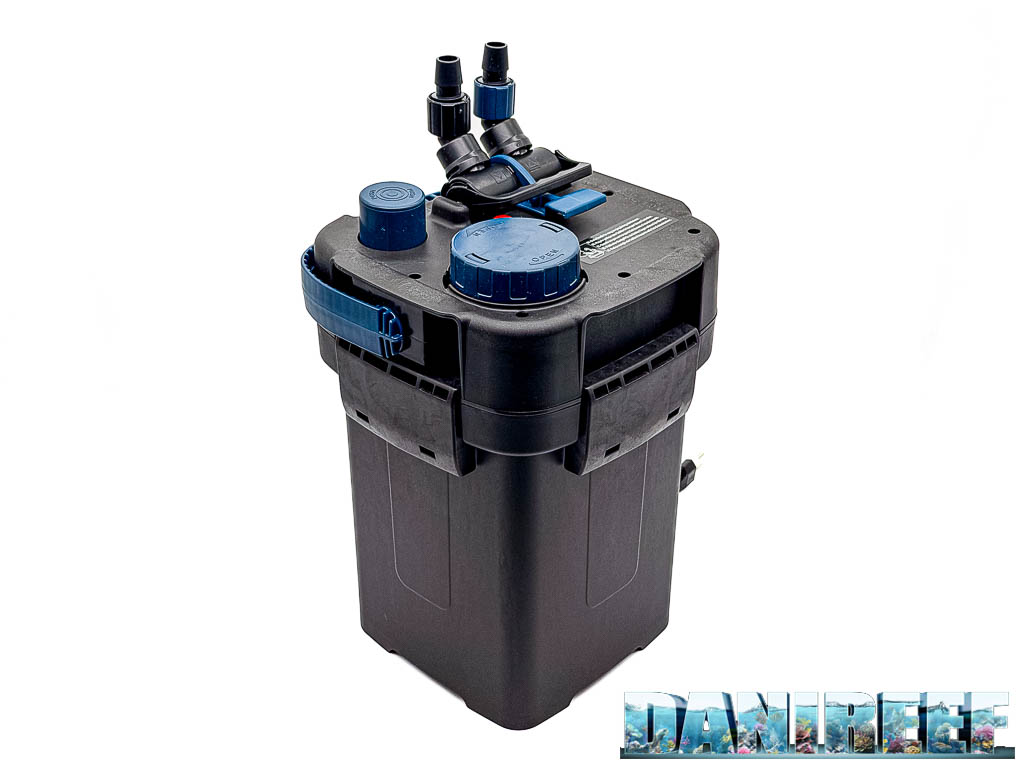
With the new Sicce Mega Filtra 650, the Italian company makes a decisive entrance into the external filter segment for medium to large aquariums, introducing a product built around three very clear elements: large filtration volume, simplified maintenance and quick priming. Judging from its specifications and included equipment, it already looks like an interesting filter for aquarists looking for an external system capable of combining good mechanical and biological filtration with relatively straightforward routine management.

Sicce Mega Filtra 650 at a glance
Type: external filter for freshwater and marine aquariums
Declared aquarium capacity: up to 650 litres
Declared flow rate: 1,450 l/h
Measured flow rate: 762 l/h
Declared maximum head: 190 cm
Measured maximum head: approximately 180 cm of water column
Declared power consumption: 24 watts
Measured power consumption: 33.6 watts
Filter media volume: 6.8 litres
Main features: removable prefilter, three baskets, removable valve block and quick priming system
Warranty: 3 years, extendable to 5 years upon registration
Indicative price: 249 euros
Our verdict: a well-designed, complete external filter that is very practical to maintain. We were impressed by its residual flow rate and maximum head; the measured power consumption, however, was higher than the declared value and deserves verification on a second unit.
The Mega Filtra range consists of three models, but today we are focusing on the Mega Filtra 650, the version designed for aquariums up to 650 litres, with a declared maximum flow rate of 1,450 litres per hour, 24 watts of power consumption, a maximum head of 1.9 metres, a 10-litre canister volume and a total filter media volume of 6.8 litres. These figures immediately place it among the external filters worth considering when substantial filtration is required, while still remaining manageable in a domestic environment.
Sicce Mega Filtra 650: an external filter designed for substantial aquariums
The first thing to say is that the Sicce Mega Filtra 650 was not designed as a simple “canister with a pump”, but as a structured external filter intended to provide complete and orderly filtration. The Mega Filtra range is presented by Sicce as a family of Made in Italy external filters designed for both freshwater and marine aquariums, supplied complete with filter media, installation accessories and a quick priming system. The product is also described as quiet, durable and designed to make maintenance easier than is often the case in this category.
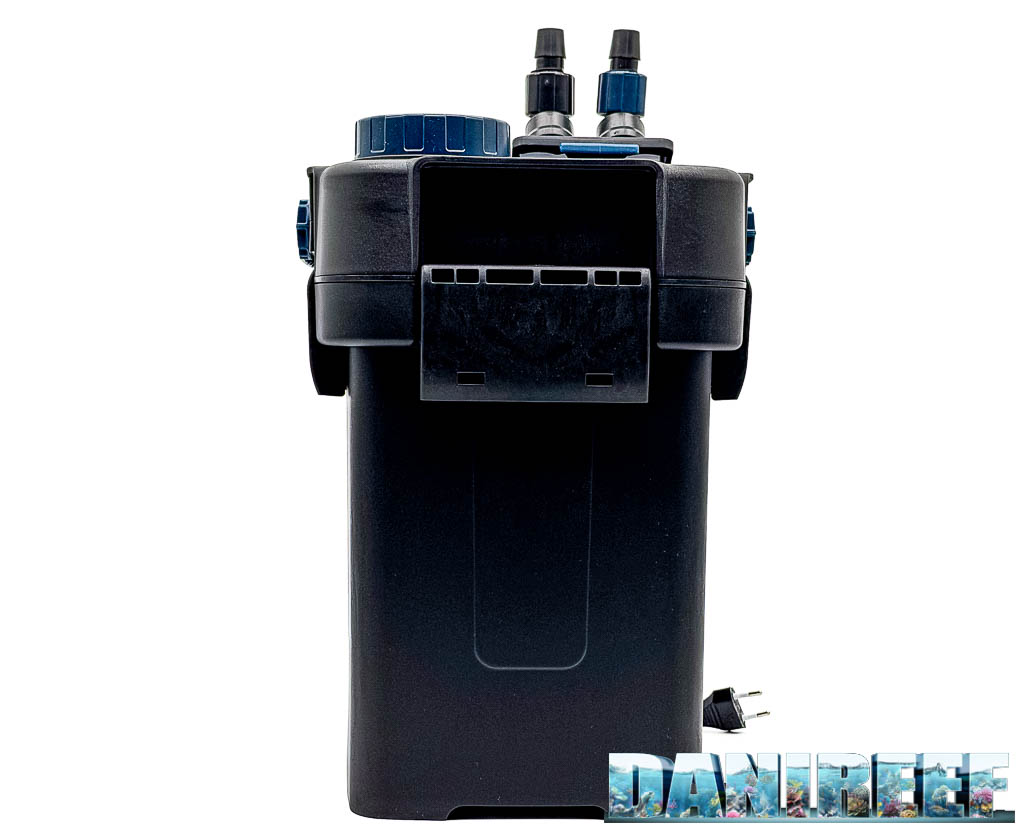
And this is precisely what makes it interesting: the Mega Filtra 650 does not try to impress with one special feature, but rather with a collection of intelligent solutions. There is an accessible prefilter, a valve block that allows the filter to be disconnected while leaving the hoses full and avoiding leaks, an internal basket arrangement designed to create a logical water path, and an included set of filter media that allows the filter to be started immediately without having to purchase additional materials.
The Sicce Mega Filtra 650 in our video
In the video below, we show you the Sicce Mega Filtra 650 in detail: from the unboxing to its internal structure, including the prefilter, valve block, filter media, priming system and intake and return accessories. In the second part, you will also find the measurements carried out in the DaniReef LAB for actual flow rate, maximum head and power consumption, with a direct comparison against the figures declared by the manufacturer.
Technical specifications of the Sicce Mega Filtra 650
Looking at the declared technical specifications, the Mega Filtra 650 is suitable for aquariums up to 650 litres. The maximum flow rate stated by Sicce is 1,450 l/h, while power consumption is 24 W. The maximum head reaches 1.9 metres, the canister volume is 10 litres and the prefilter has a dedicated volume of 0.55 litres. The total volume available for filter media is 6.8 litres, while the mechanical filtration surface area of the side sponges reaches 850 cm². There are 3 baskets, the supplied hoses have an internal diameter of 18 mm, an external diameter of 24 mm and a total length of 4 metres, while the filter measures 260 x 265 x 411 mm.
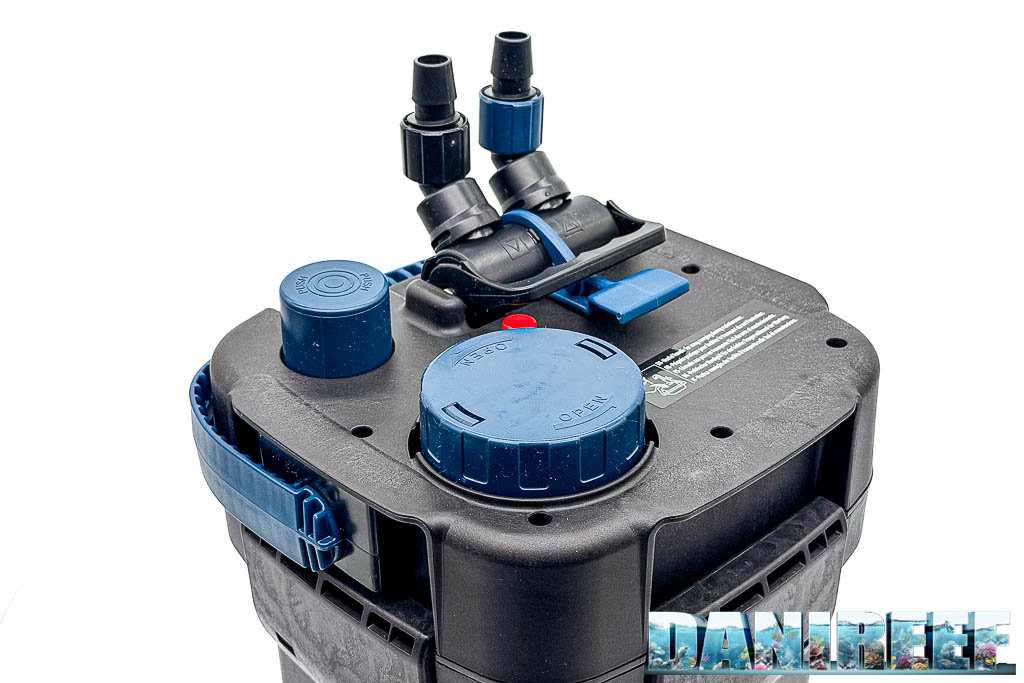
When read carefully, these figures already reveal a great deal. Maximum flow rate alone is never enough to judge a filter, but when it is combined with a large canister, a generous amount of filter media and a substantial mechanical filtration surface, the design philosophy begins to become clear. Here, Sicce appears to have focused not only on moving water, but above all on maintaining stable filtration over time, which is what really makes the difference in an aquarium.
Ten filtration stages and filter media already included
One of the most interesting aspects of the Mega Filtra 650 is the complete set of Sicce filter media already included in the box. The official specification sheet refers to 10 filtration stages for the 650 model, while the manual shows the exact arrangement of the media inside the baskets. This means that the filter arrives already configured to provide mechanical, biological and chemical/adsorptive filtration, without forcing the user to build the internal layout from scratch.
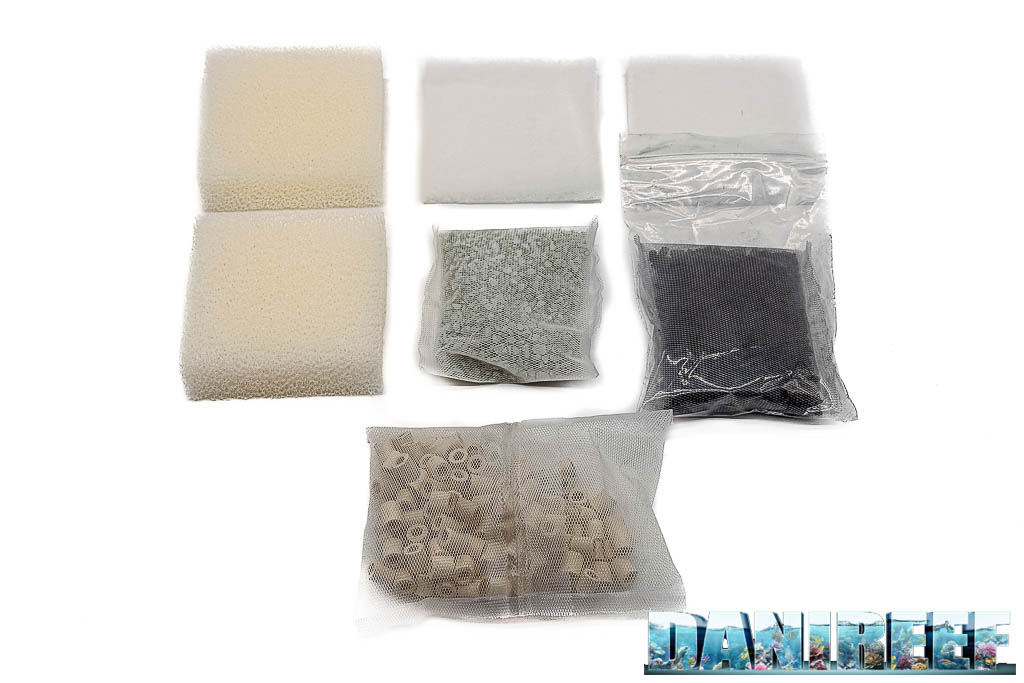
More specifically, the Mega Filtra 650 is supplied with sponges, Biofoam, Aquamat, Hyperzeo, Hypercarbo Fast and Bioker. The layout shown in the manual illustrates a water path that begins with the coarser mechanical filtration stages, continues through the polishing stages and reaches the biological and chemical sections. It is a sensible, highly “plug and play” configuration, while still being flexible enough to be modified over time according to the type of aquarium and the aquarist’s preferences.

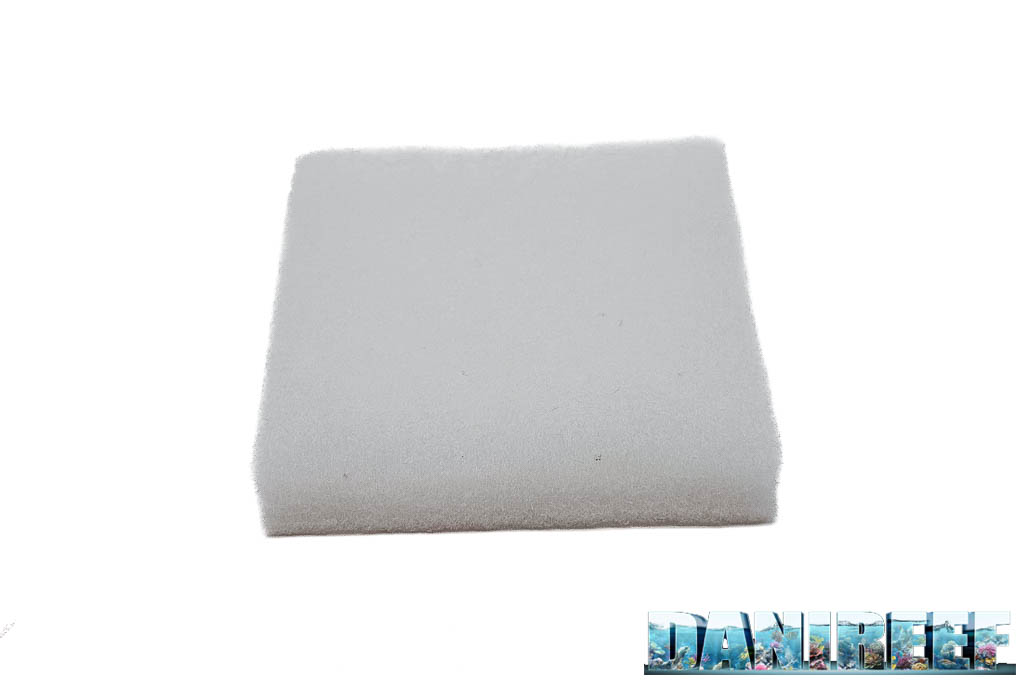
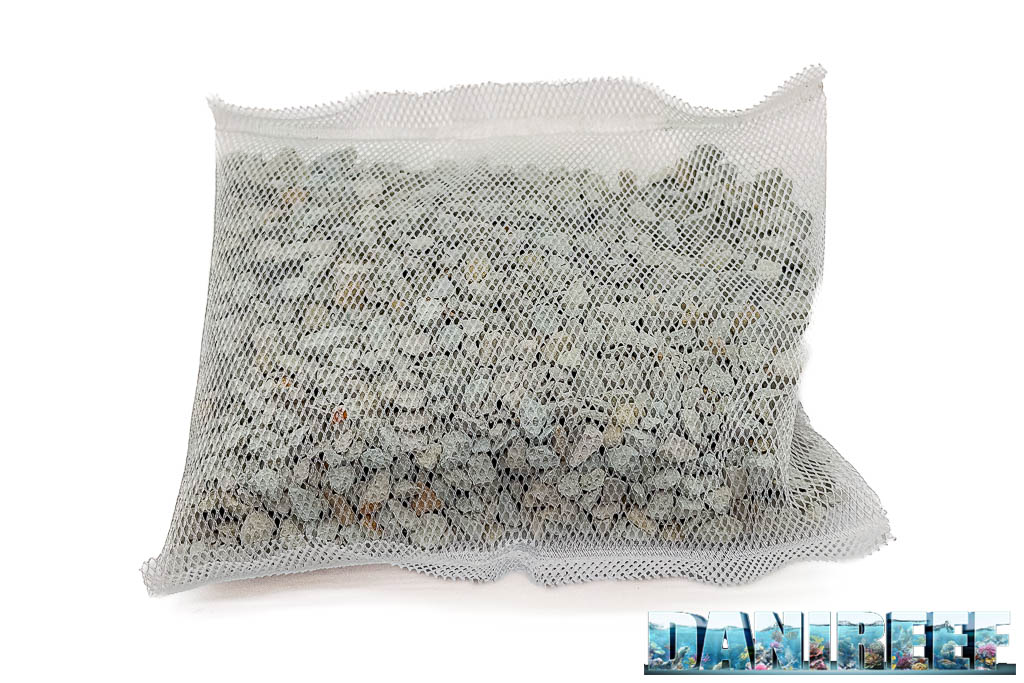
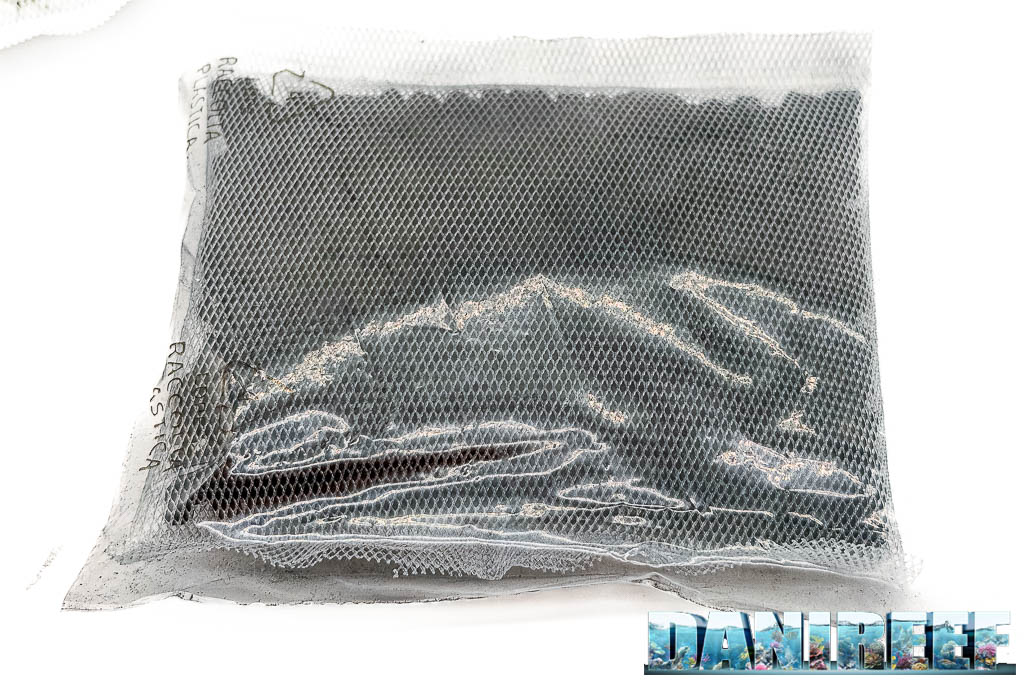
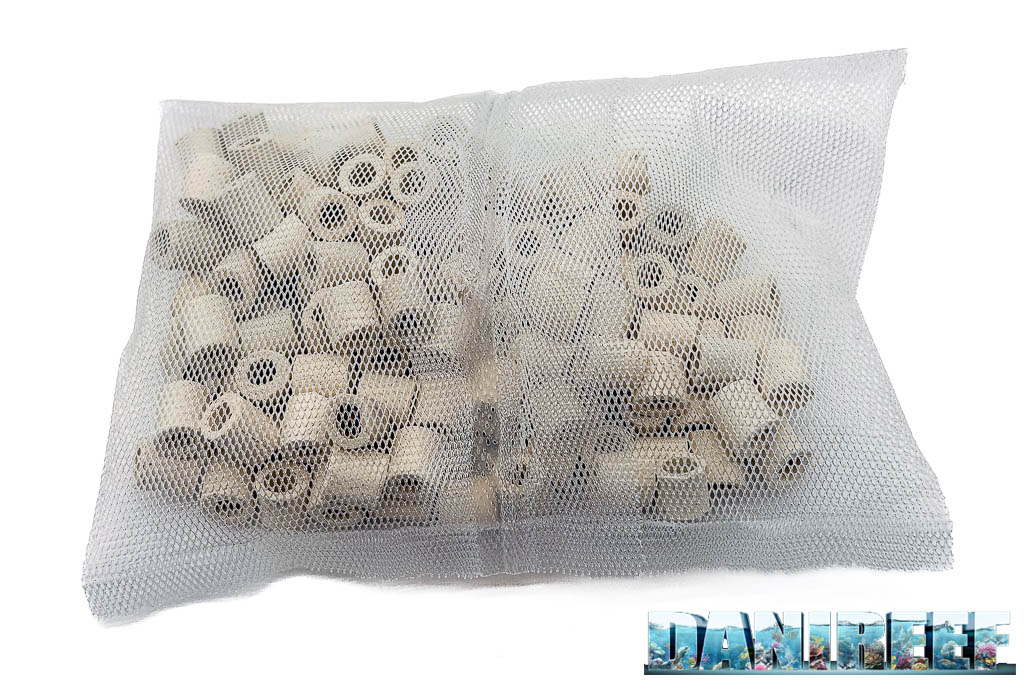
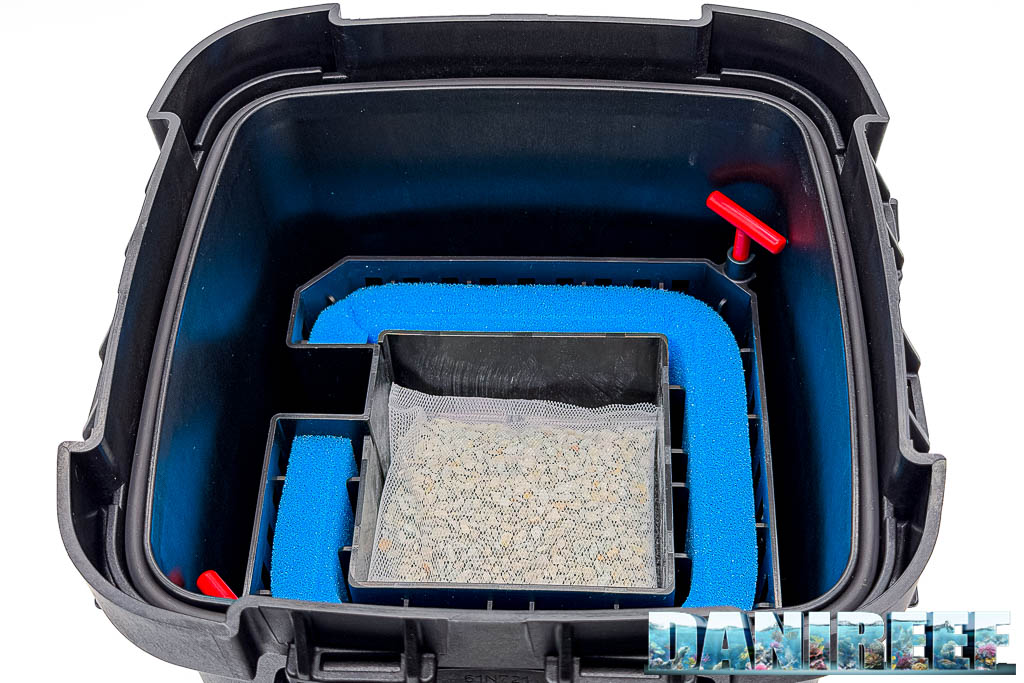
This is a detail that matters a great deal to me. Many external filters are judged only by their declared litres per hour, when the real question should be: how much filtration can I actually fit inside this filter? The Mega Filtra 650 appears to provide a convincing answer, because it offers space, an orderly internal structure and included filter media that allow for a serious setup straight out of the box. More experienced aquarists will of course be able to customise the configuration, but starting from a sound base is always an advantage.
Dedicated prefilter: the real advantage in everyday maintenance
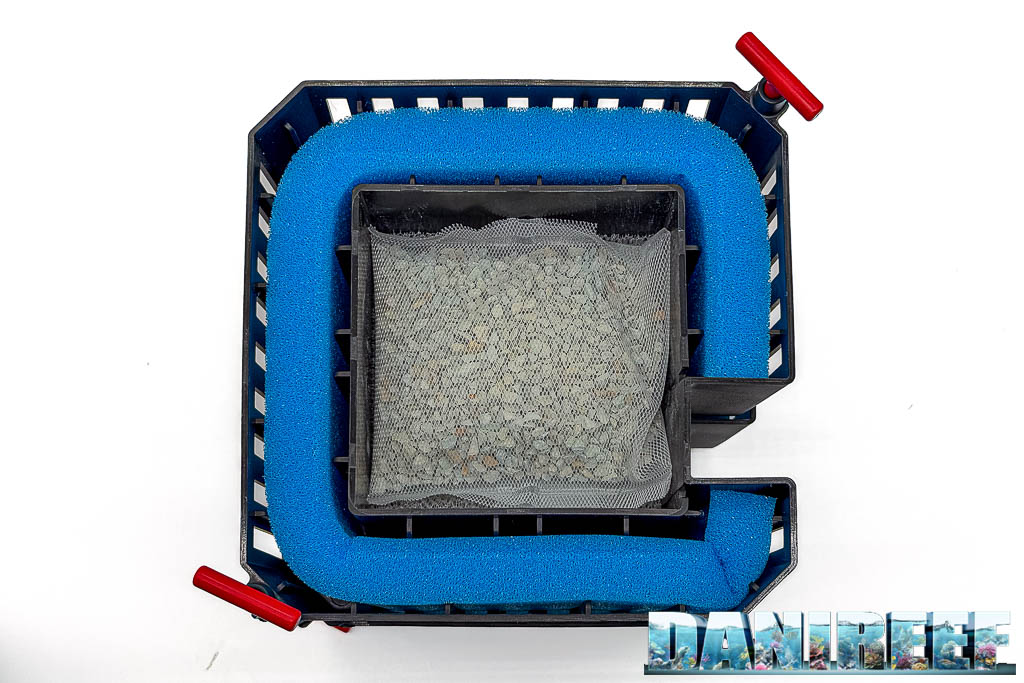
One of the features that most clearly distinguishes the Sicce Mega Filtra 650 is its integrated prefilter. This is not merely an item on the specification sheet: it is a practical solution designed to intercept coarse debris before it clogs the rest of the filter too quickly. The manual includes a dedicated section on the prefilter and explains that it can be cleaned by operating the valve block, stopping the water flow, unscrewing the prefilter cap and removing the internal sponge for cleaning.
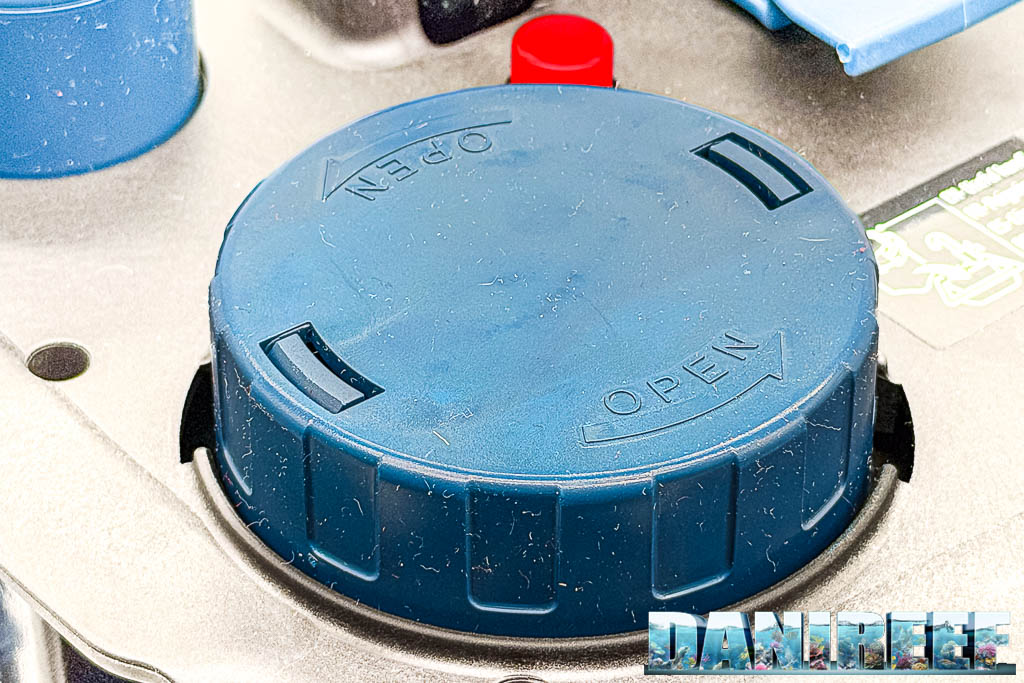
In practice, this means something very simple but extremely important: routine maintenance can become much faster. Instead of opening the entire filter every time, disconnecting it, removing the baskets and disturbing the whole filter mass, the user can first work on the prefilter, which is where the coarser particles tend to accumulate. In addition to saving time, this also helps to preserve the internal biological section, which should ideally be disturbed as little as possible.
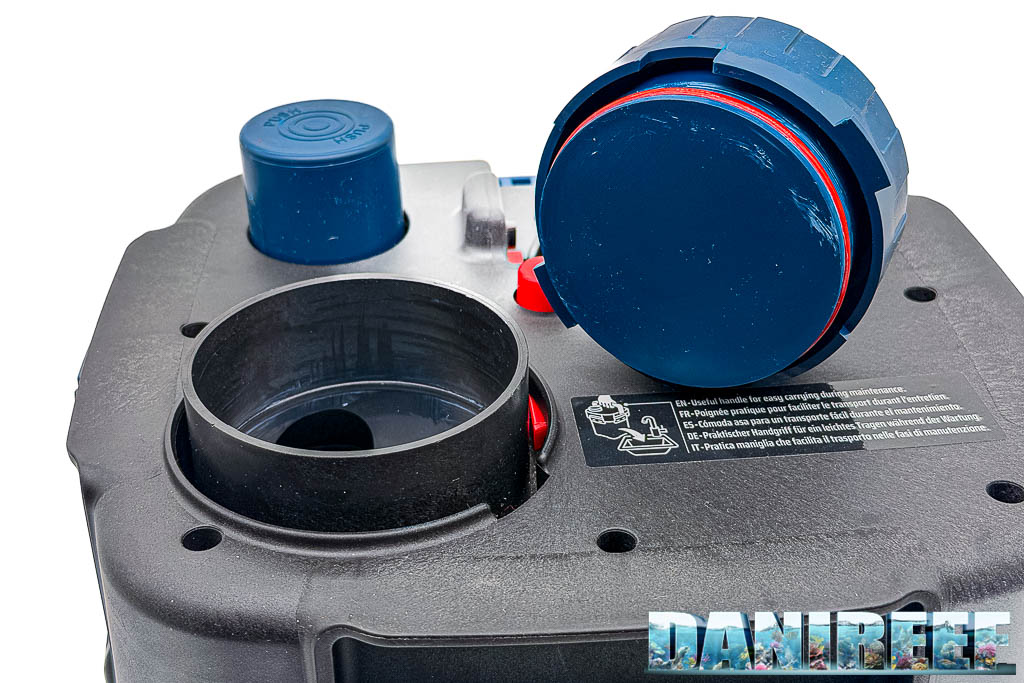
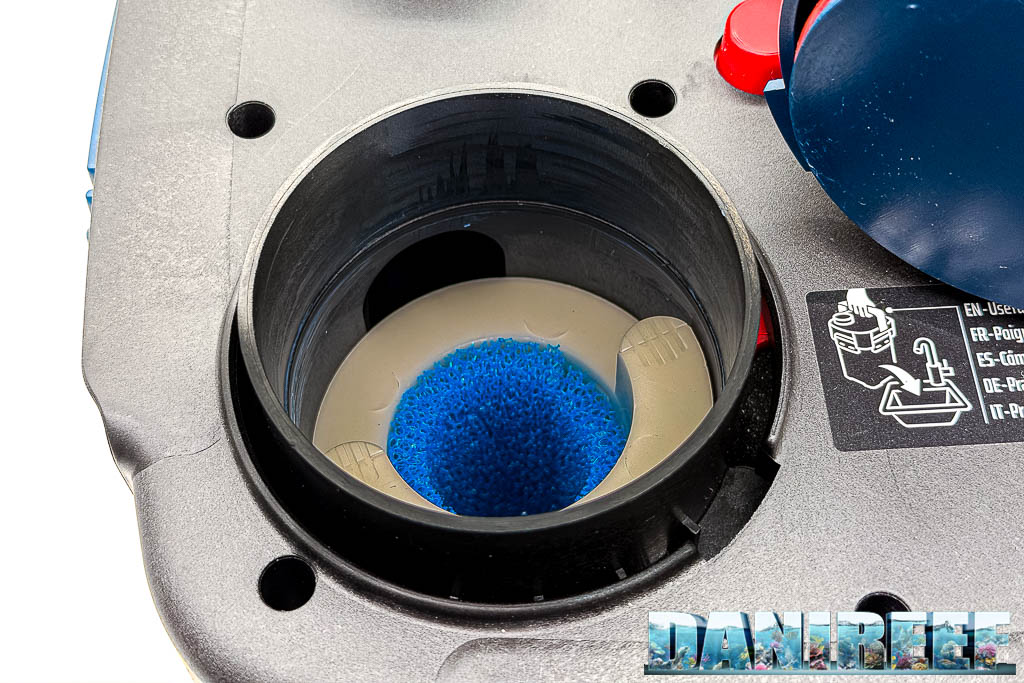
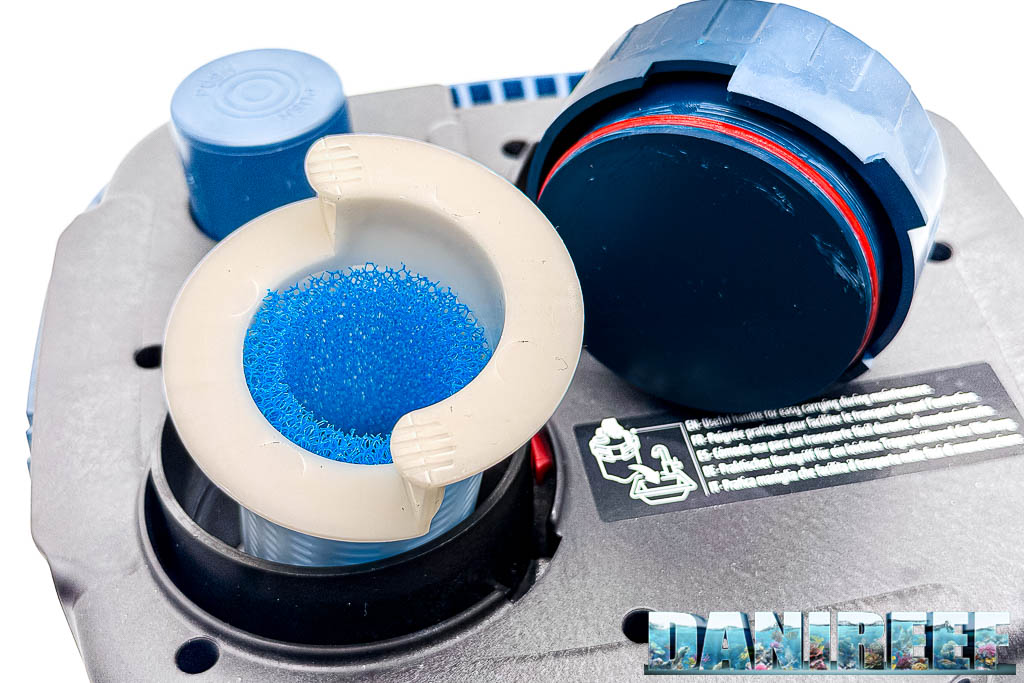
This is a design philosophy I appreciate very much. The objective is not only to filter effectively, but to remain efficient for longer between one major maintenance session and the next. For heavily stocked aquariums, tanks with large fish or layouts where suspended debris is frequently stirred up, an easily accessible prefilter is a genuinely useful advantage.
Quick priming and easier installation
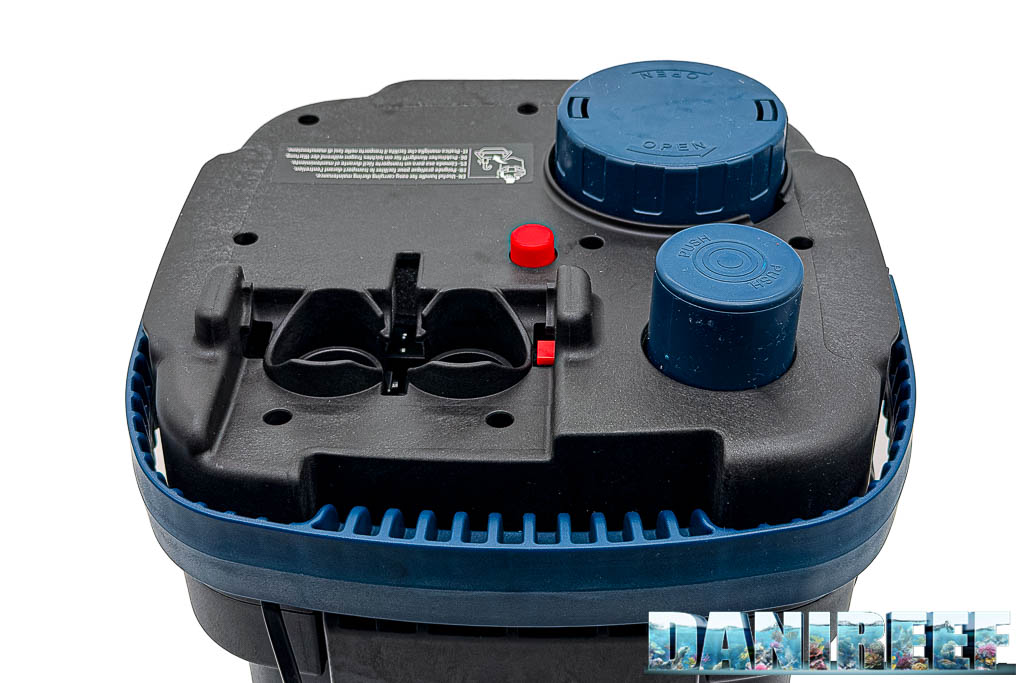
Another strong point highlighted by Sicce is the Quick Prime System. Here too, the manual is quite clear: the filter must be primed while unplugged, repeatedly pressing the button on the filter head until the water fills the filter body and pushes the air out through the return hose. Once no more air comes out, the filter is ready to be connected to the power supply.
Be careful: for the system to work, both hoses must be submerged in water. This is one of those details that can waste a great deal of time if you are not aware of it.
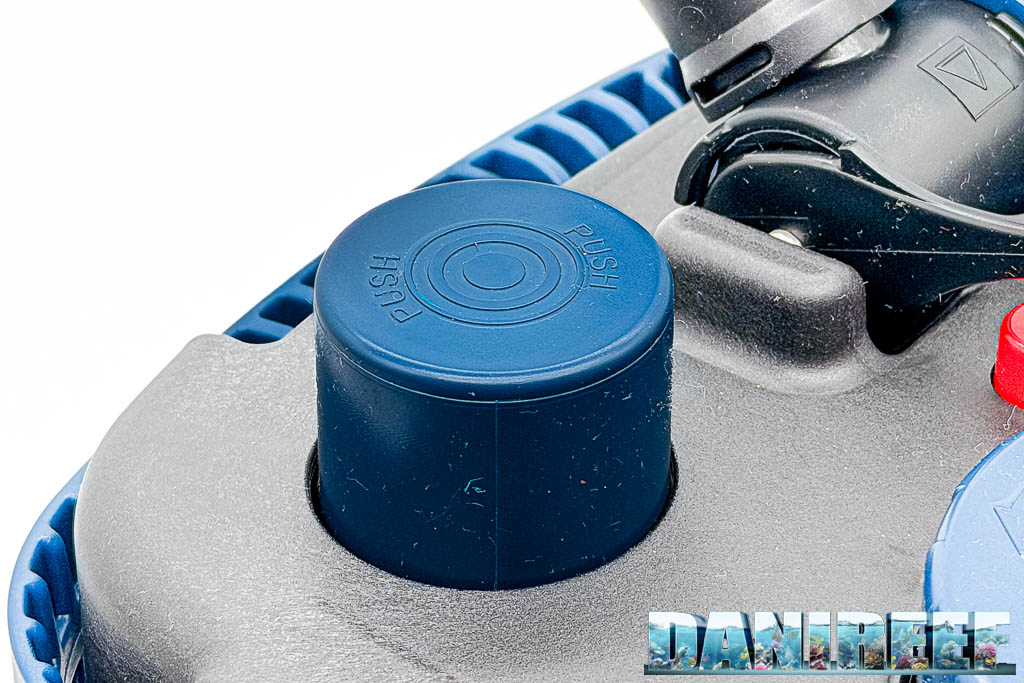
Anyone who has used external filters for years knows how frustrating priming can be, especially when the hoses are long, the cabinet is not particularly accessible or the filter has to be restarted after maintenance. In this context, a well-designed system is not a minor detail, because it is one of those features that genuinely improves the user experience.
The manual also provides very precise installation instructions: the filter must be positioned below the water level, never above it; the distance between the water level and the bottom of the filter must not exceed 2.5 metres; the water level in the aquarium must not fall below 17.5 cm from the upper edge; and the hoses should be kept as straight as possible, without restrictions or unnecessary loops. These are simple instructions, but they are essential for the correct operation of any external filter.
Valve block and leak-free maintenance
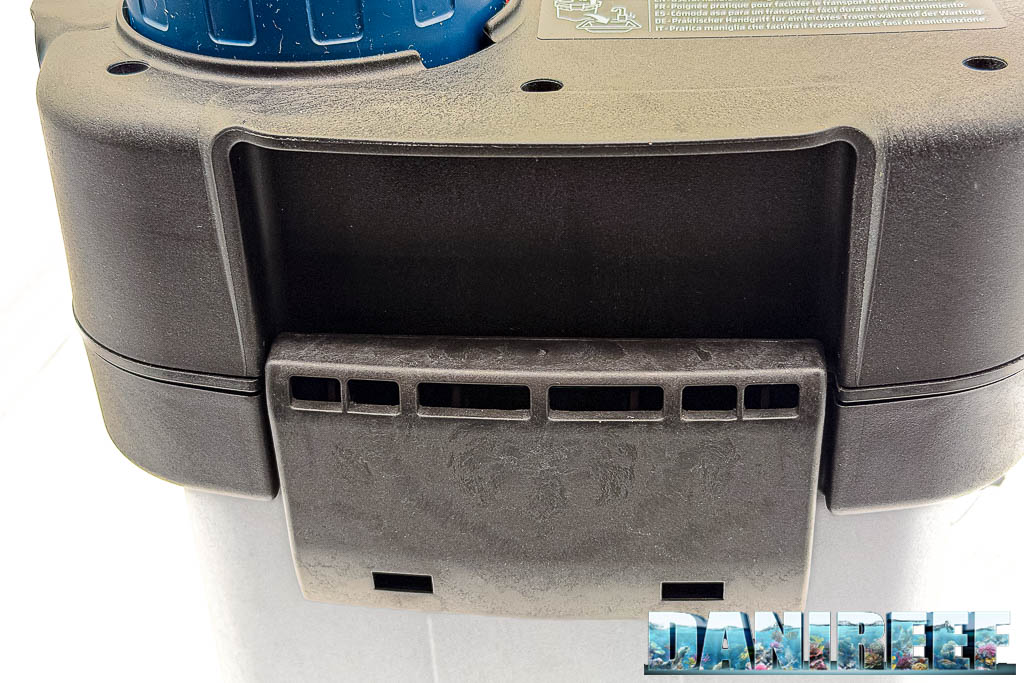
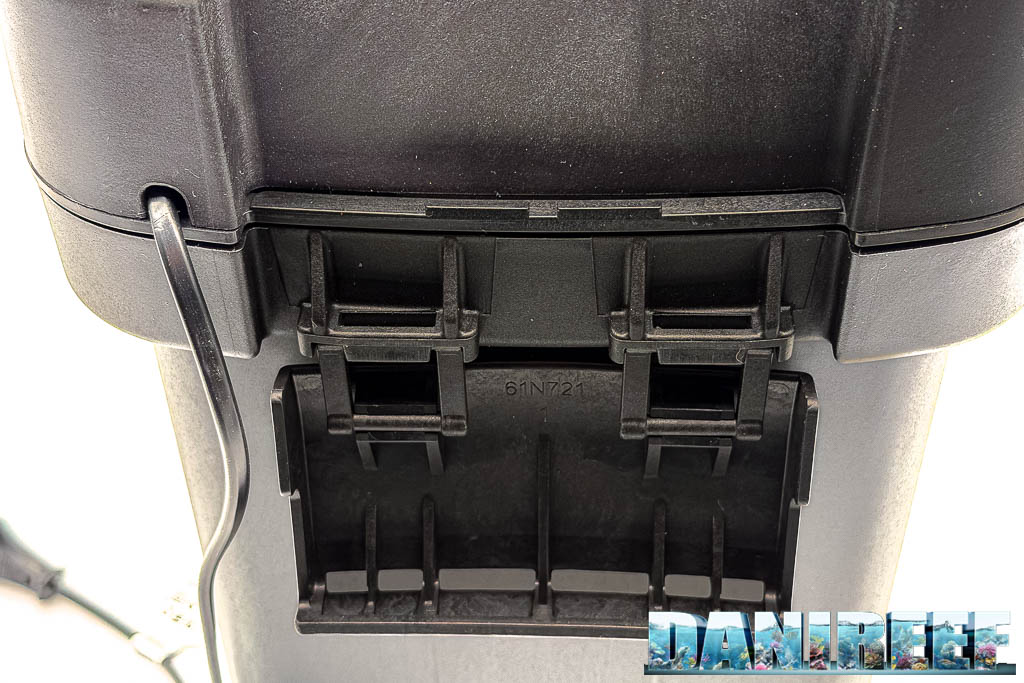
Among the intelligent solutions of the Mega Filtra 650 is the removable valve block. The principle is very interesting: during maintenance, the hoses can remain connected to the aquarium and full of water, while the filter is separated from the valve block without leaks or dripping. This allows the filter body to be moved and opened more easily, while also avoiding the need to start the entire hose-management process again from scratch.
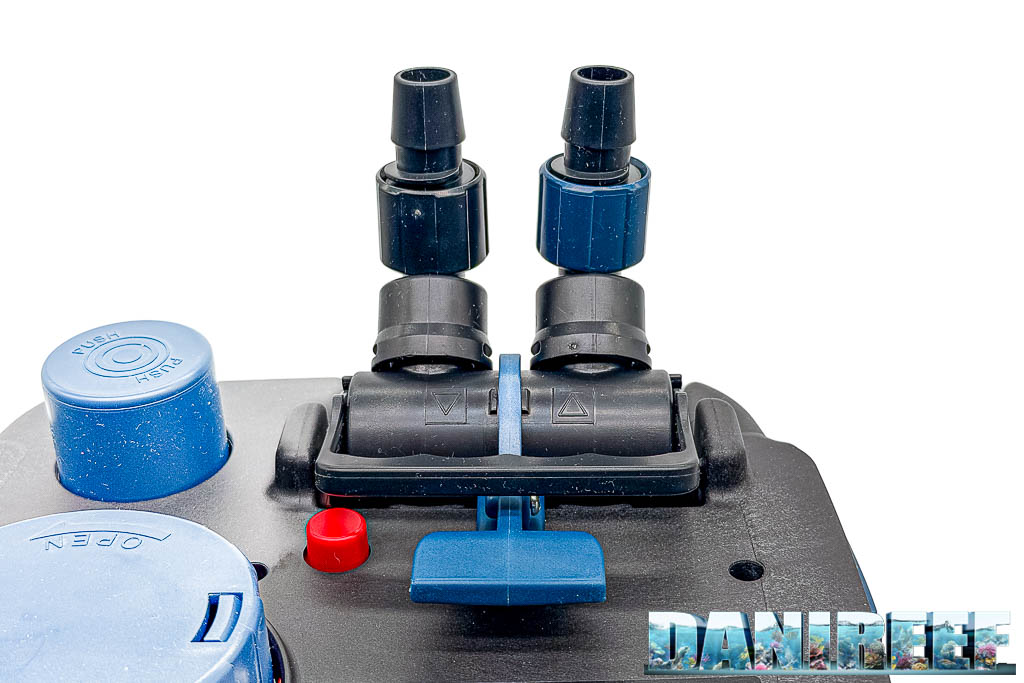
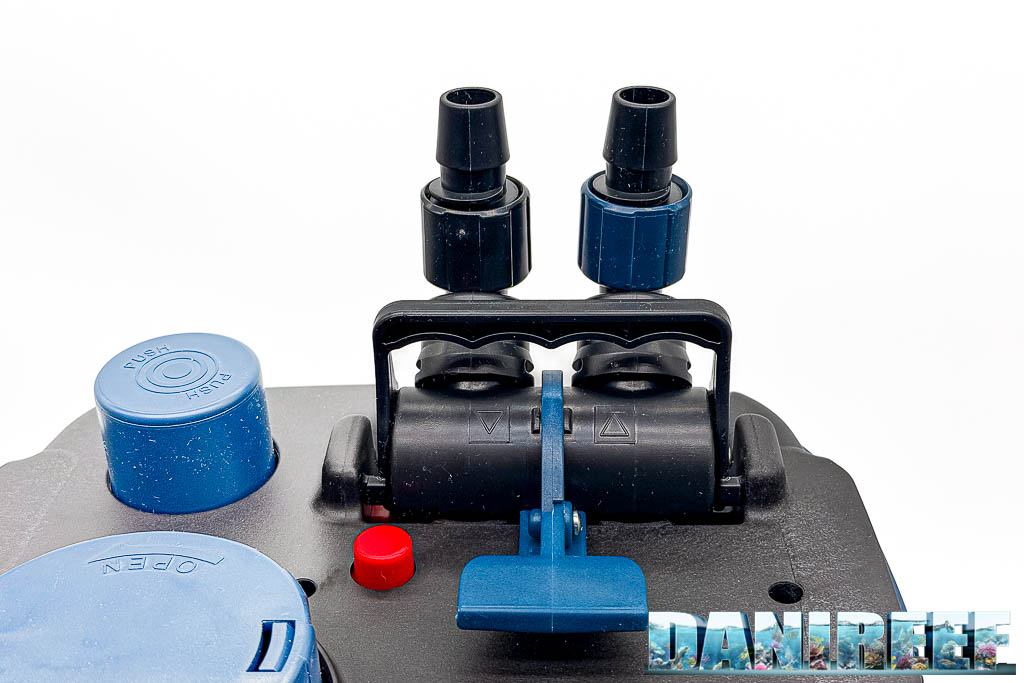
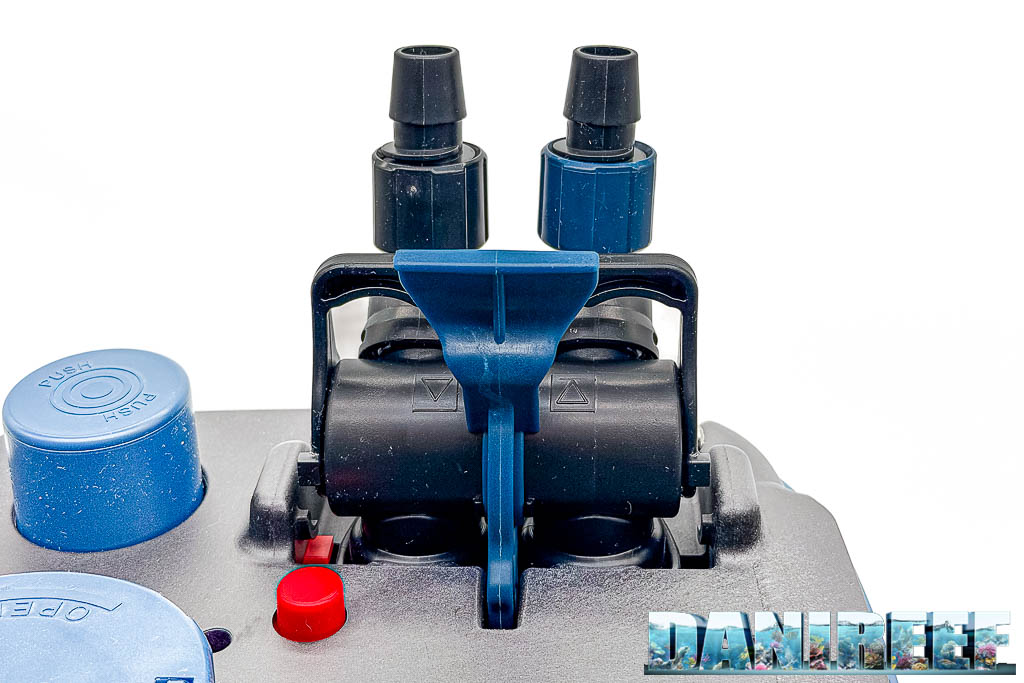
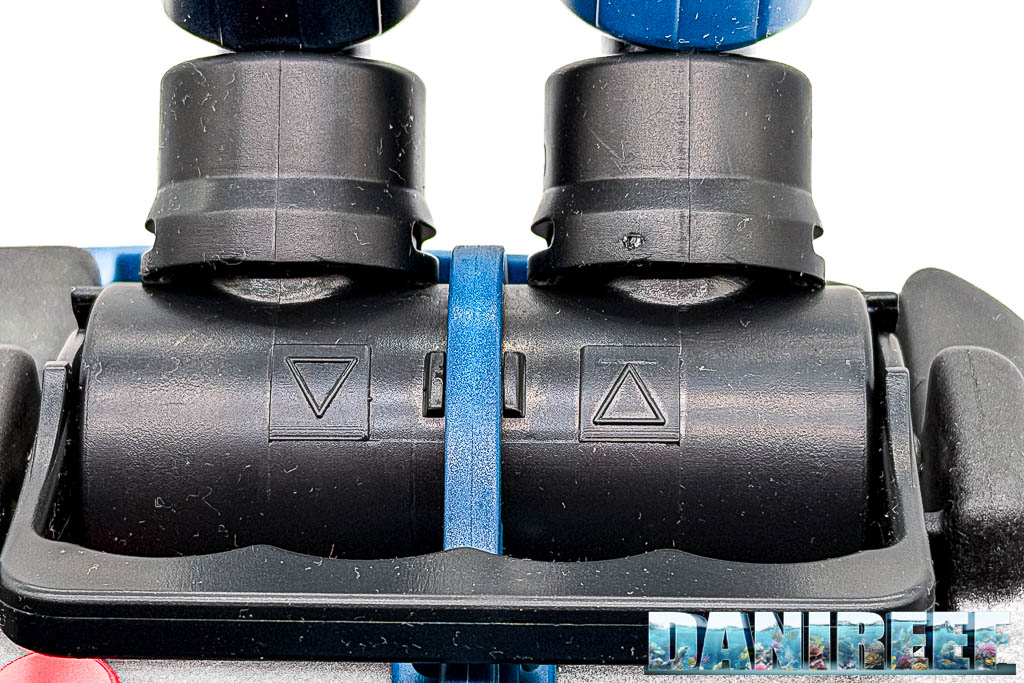
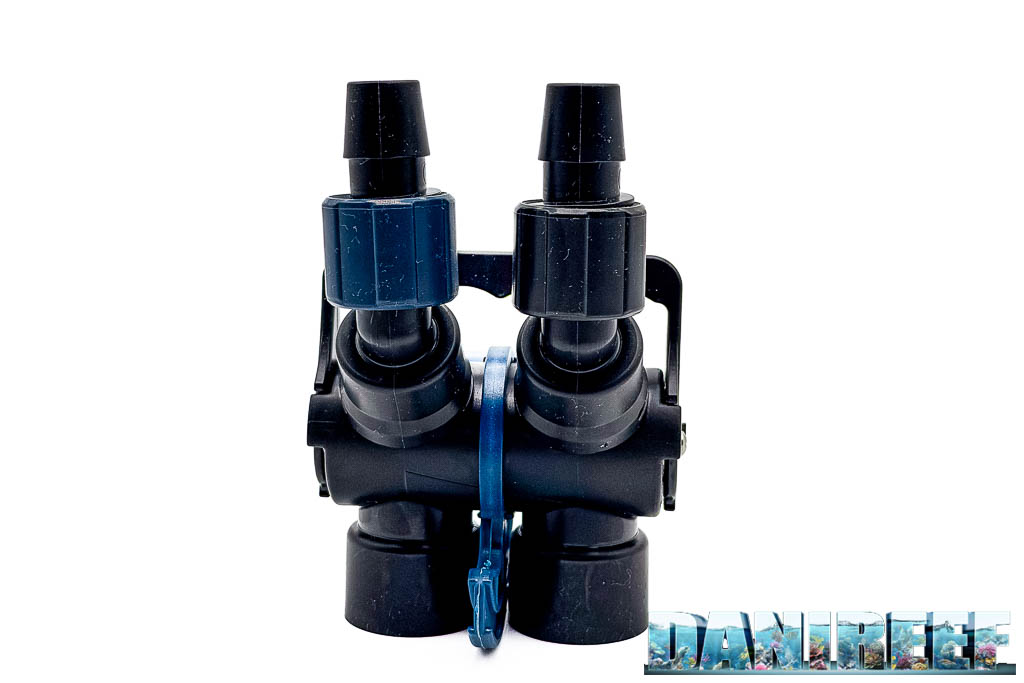
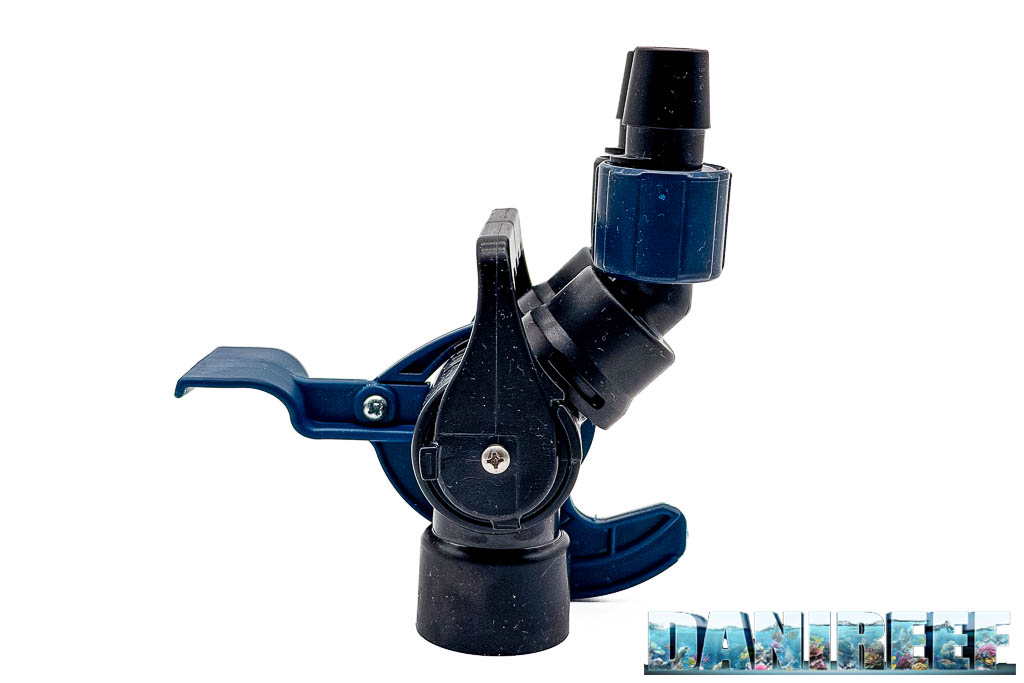
From a practical point of view, this is one of those solutions that makes the difference between a filter that looks good on paper and one that is genuinely convenient to use over time. An external filter must not only be powerful: it must also be convenient enough to encourage you to carry out maintenance when necessary, rather than only when you are forced to do it.
In any case, I would still place a cloth beneath the valve block, because there is always a chance that a few annoying drops will remain.
How the Sicce Mega Filtra 650 is organised internally
The internal structure of the Mega Filtra 650 is based around three baskets, with a filtration path that appears orderly and logical when looking at the layout. There are side sponges for mechanical filtration, Biofoam elements that work both as mechanical media and as an initial biological stage, Aquamat for polishing, followed by Bioker, Hyperzeo and Hypercarbo Fast to complete the package. Before use, the Hypercarbo Fast bag must be removed from its transparent protective bag. It may sound obvious, but if Sicce considered it necessary to highlight this in the manual, it evidently is not obvious to everyone.
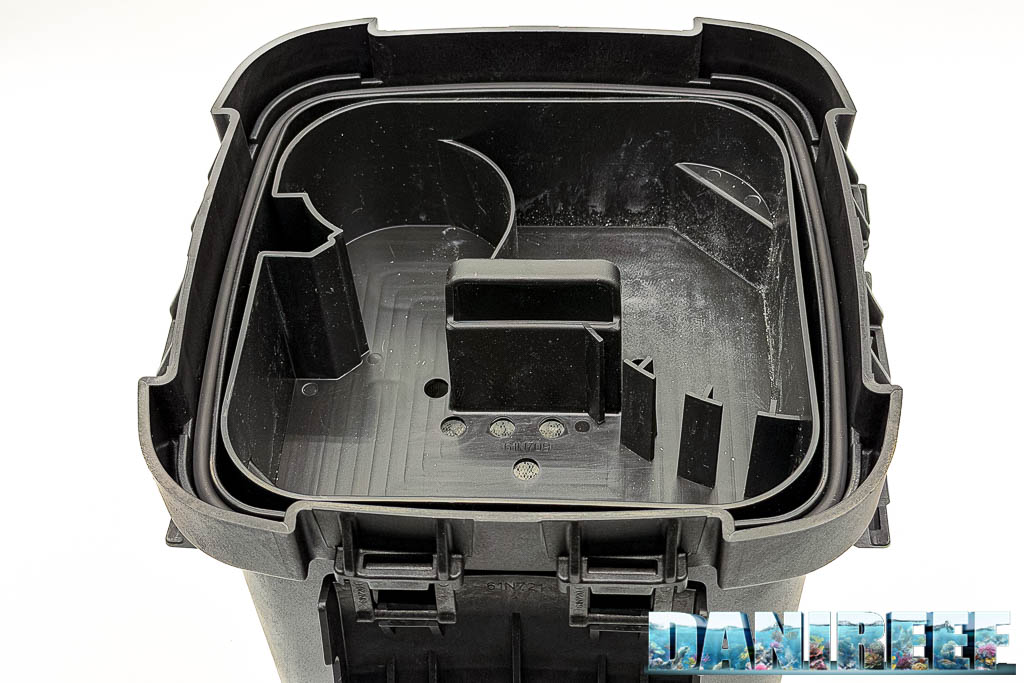
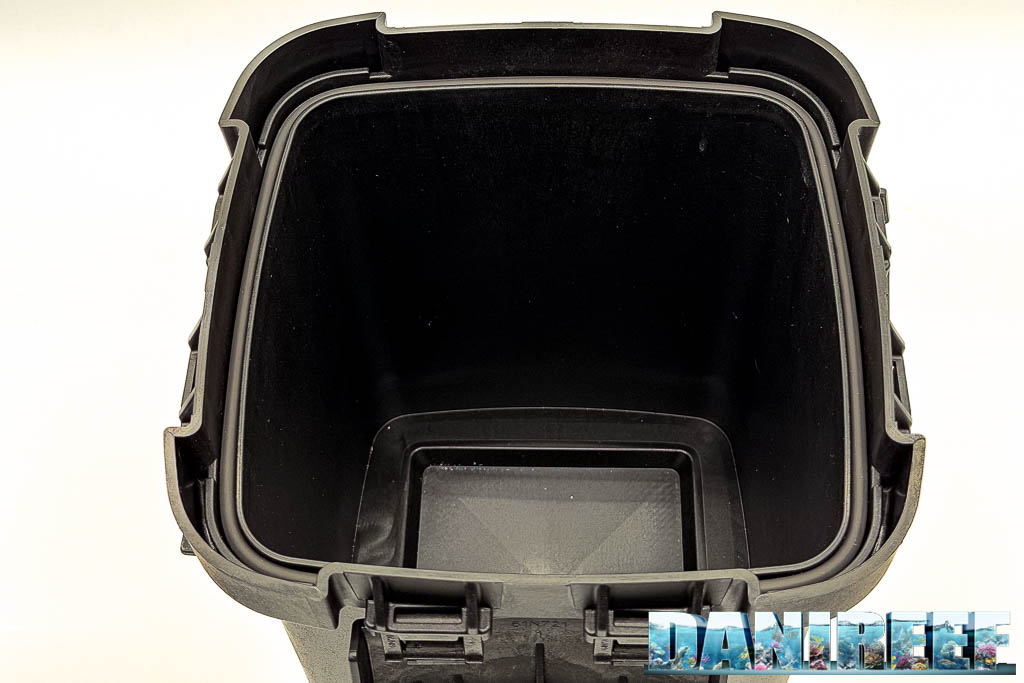
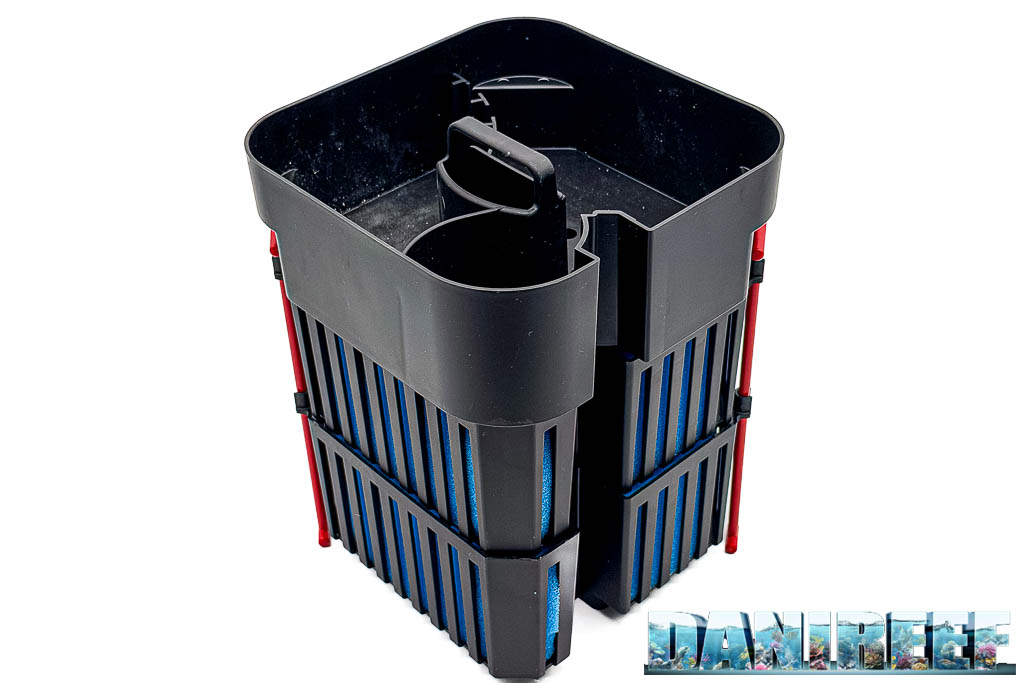
Rinsing the media, positioning it in the correct direction and respecting the layout designed by the manufacturer helps ensure a proper start and makes it possible to use all the available volume effectively.
Mega Filtra 650, 900 and 950 SDC: differences between the models
As mentioned at the beginning, the Mega Filtra range consists of three models: 650, 900 and 950 SDC. The 650, which we are analysing here, is the most compact model in the range, with a height of 411 mm, three baskets and 6.8 litres of filter media volume. The 900 and 950 SDC increase this to 9.5 litres of filtration volume, have 4 baskets and offer a larger mechanical filtration surface. The real difference, however, is that only the Mega Filtra 950 SDC can be controlled via Wi-Fi and the CONTRALL app; the manual clearly states that the 650 and 900 are neither compatible with nor upgradeable to a controller or app. And that is a pity.
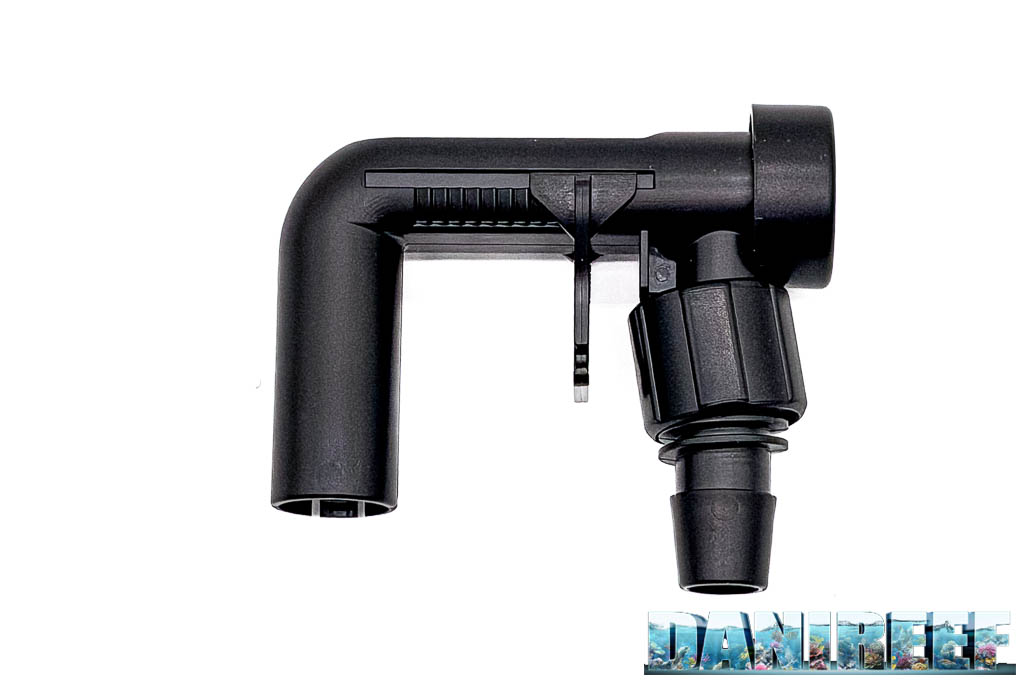
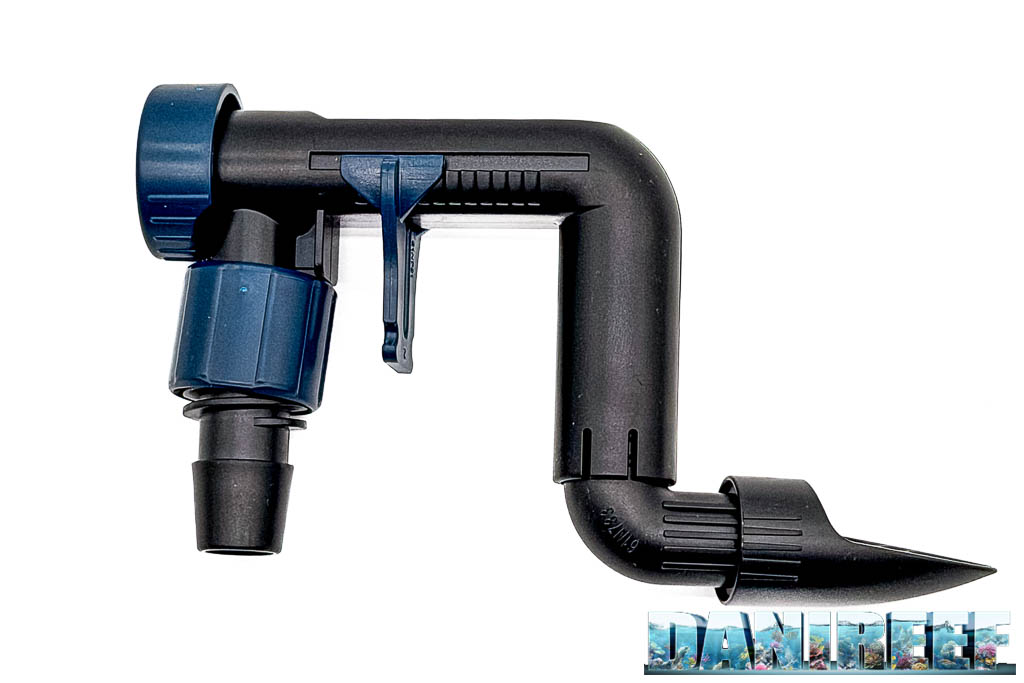
This distinction is important because it prevents misunderstandings. Anyone choosing the Mega Filtra 650 should do so knowing that they are purchasing a well-equipped and well-structured traditional filter, not a smart version. And honestly, for a great many aquariums this is not a limitation at all: in fact, constructional simplicity and straightforward operation often remain major advantages.
Impeller maintenance and care of the biological section
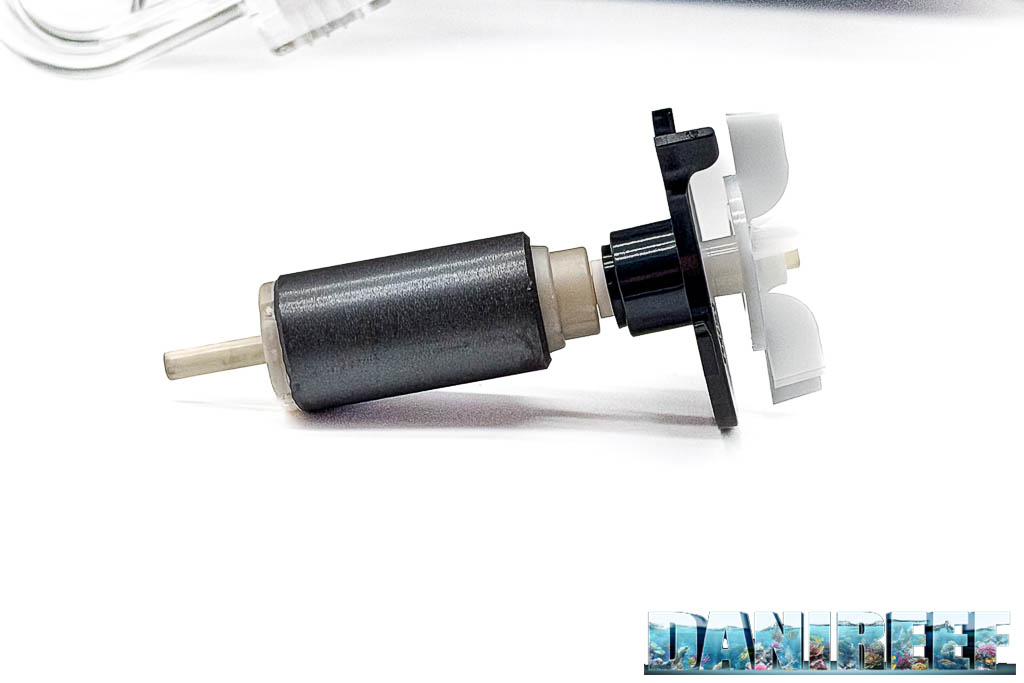
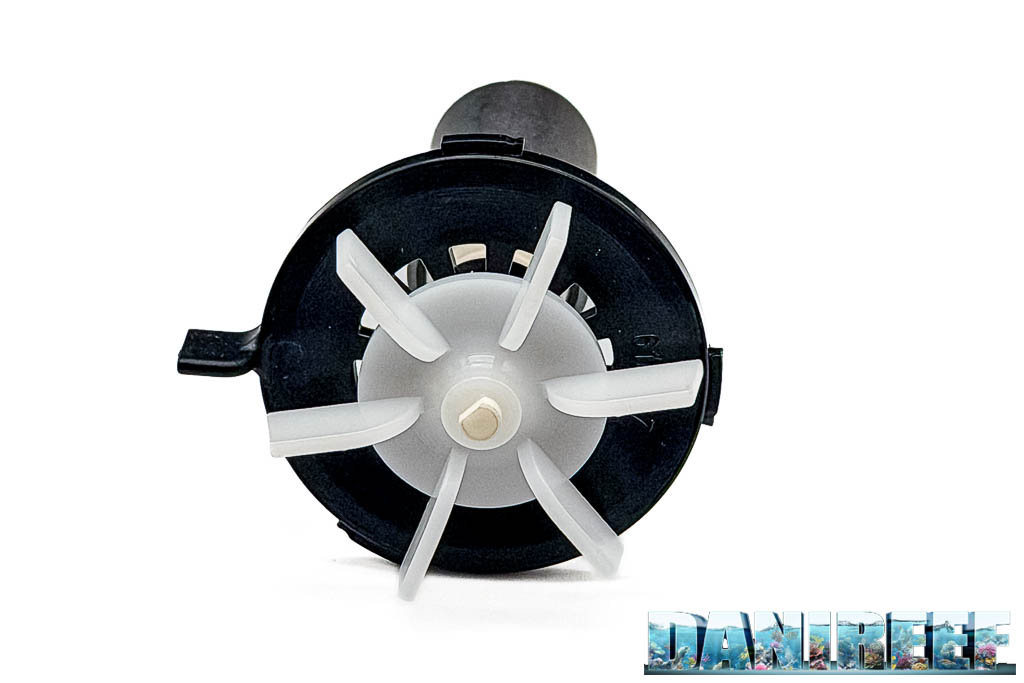
The approach taken by the manual on maintenance is also highly sensible. Sicce explains how to access the pump area, remove the prechamber, extract the rotor and clean it using water and a soft brush. At the same time, it recommends avoiding aggressive treatment of the biological filtration section and advises against unnecessarily removing biological media from the baskets, in order to avoid damaging the bacterial colonies. When biological media needs to be replaced, the recommendation is to add only a small amount at a time, leaving part of the already mature media in place.
This is an approach I fully agree with in principle: maintenance procedures that are too “perfect” often become counterproductive. A good filter must certainly be cleaned, but without unnecessarily wiping out its most valuable component, namely the biological section.
Warranty and spare parts
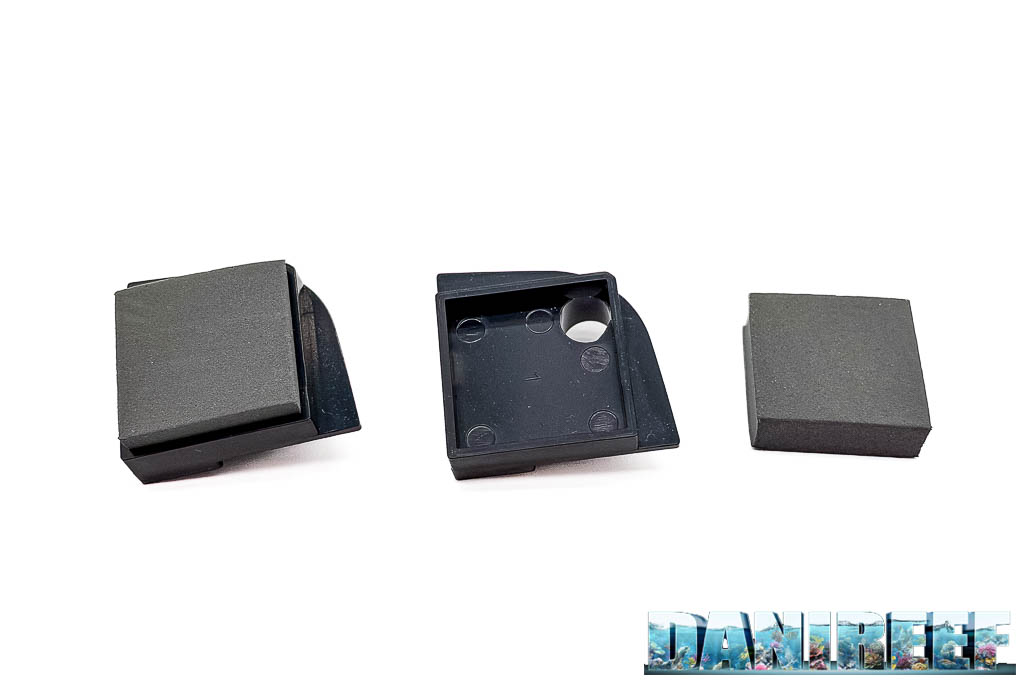
Another interesting aspect is the availability of specific spare parts for the Mega Filtra range: impellers, O-rings, valve blocks, locking clips, flexible hoses, inlet and outlet connectors, anti-vibration feet, sponges, Aquamat, Bioker, Hypercarbo Fast, Hyperzeo and the prefilter. The manual lists the spare-part codes, while the official product page also includes a dedicated spare-parts section. As regards the warranty, Sicce provides 3 years of coverage, with the possibility of extending it to a total of 5 years by registering the product on the website, which you should absolutely do; according to the manual, the impeller instead has separate coverage of 6 months following registration.
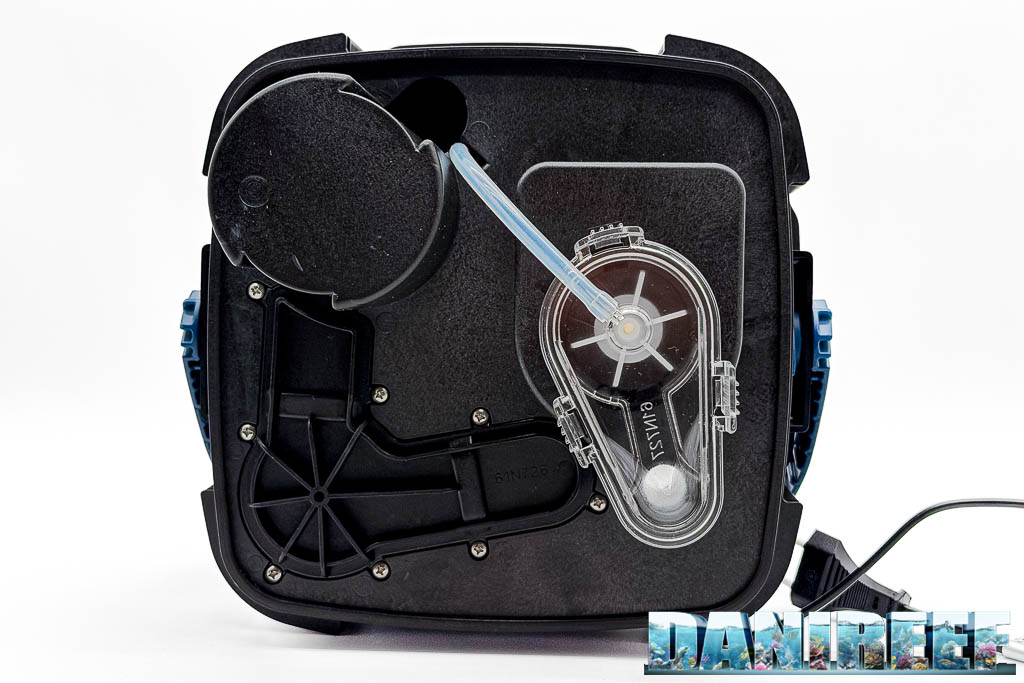
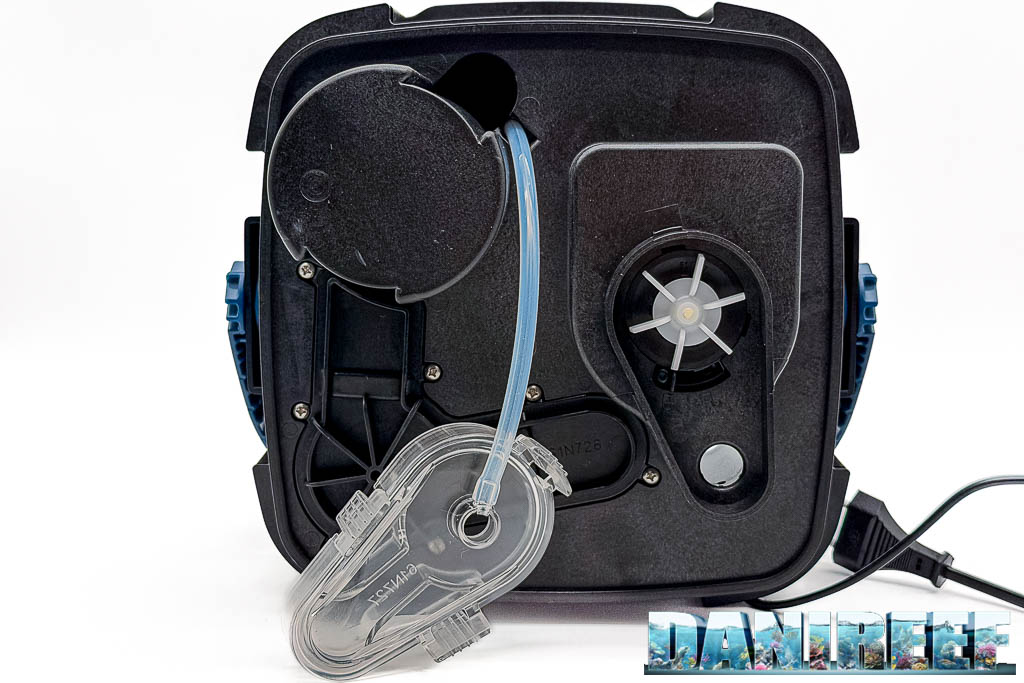
The possibility of extending the warranty to five years upon registration is certainly a positive feature.
Price of the Sicce Mega Filtra 650
The Sicce Mega Filtra 650 is offered at an indicative price of 249 euros. We consider this figure particularly competitive, consistent with the positioning of the product and with a package that already includes the filter media, removable prefilter, removable valve block, fittings, four metres of hose and the accessories needed to configure the intake and return. Added to this are the availability of spare parts and the warranty, which can be extended to five years upon registration.
Considering the construction, the 6.8 litres of filter media, ease of maintenance and the results obtained in our tests, the price appears well matched to what the filter offers. It is not a budget product, but neither is it a product that relies solely on its name or declared specifications: much of its value lies in the completeness of the package and in the design solutions intended to simplify its use over time.
Maximum head
The first measurement to verify on an external filter is the maximum head, meaning the filter’s ability to push water upwards. This is a very important figure because it helps us understand how the filter performs when it has to overcome height differences and head losses, which is the typical operating condition of external filters installed inside a cabinet beneath the aquarium. This is also one of the reasons why the measured flow rate differs from the rated value.
The value declared by Sicce for the Mega Filtra 650 is 1.9 metres.
Declared maximum head of the Sicce Mega Filtra 650: 190 cm
In our DaniReef LAB, we measured the following value:
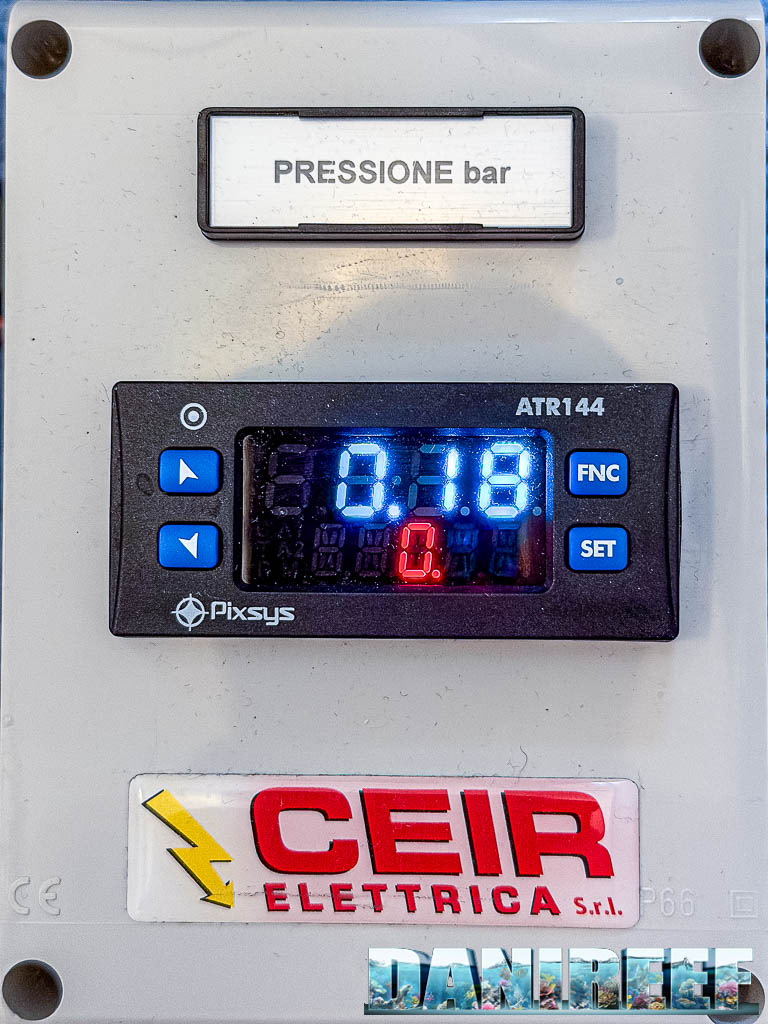
Pressure measured by DaniReef: 0.18 bar, equivalent to approximately 180 cm of water column
The measured pressure was 0.18 bar, equivalent to approximately 180 cm of water column. The result is therefore substantially in line with the 190 cm declared by Sicce, with a limited deviation that is fully compatible with the conditions of our test.
Flow rate
The second essential measurement is the actual flow rate. As always, the figure declared by the manufacturer represents the theoretical maximum flow rate of the system, but in real use the height, bends, hoses, filter media and operating conditions all reduce the effective value.
The value declared by Sicce for the Mega Filtra 650 is 1,450 l/h.
Declared flow rate of the Sicce Mega Filtra 650: 1,450 l/h
The value measured by DaniReef was as follows:
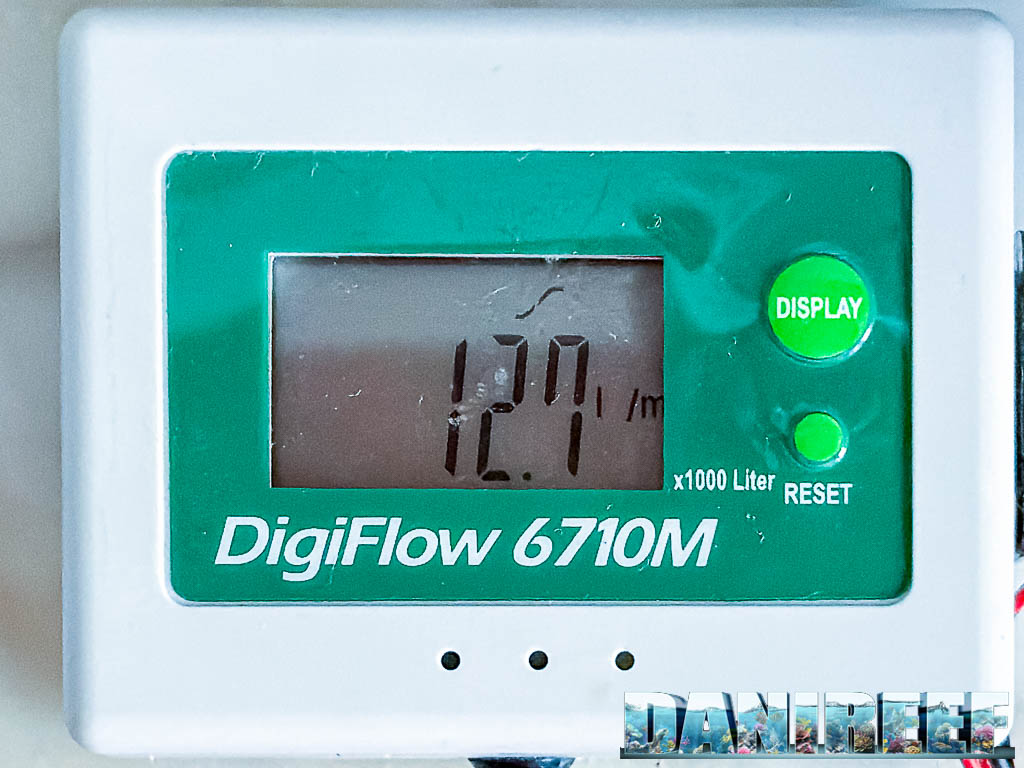
Sicce Mega Filtra 650 flow rate: 12.7 l/min, equivalent to 762 l/h
The measured flow rate was 762 l/h, corresponding to approximately 52.6% of the declared maximum flow rate. At first glance, the difference compared with the nominal 1,450 l/h may appear substantial, but in a real-world test the water path, filter media, hoses, bends and related head losses all have an effect. In external filters previously analysed by the DaniReef LAB, we have often measured proportionally lower residual flow rates; for this reason, we consider the result achieved by the Mega Filtra 650 to be very good.
To better understand why the rated figure and the operating figure do not coincide, we recommend this article, which discusses return pumps in general but also clarifies the principle involved: How to calculate the flow rate of a return pump automatically: enter the data and discover the actual flow rate.
Power consumption
The third point, which is always extremely important, is actual power consumption. An external filter runs 24 hours a day, 365 days a year, so even a difference of just a few watts has a tangible long-term economic and thermal impact.
The declared power consumption of the Sicce Mega Filtra 650 is 24 watts.
Declared power consumption of the Sicce Mega Filtra 650: 24 watts
The measurement recorded in the DaniReef LAB was instead as follows:
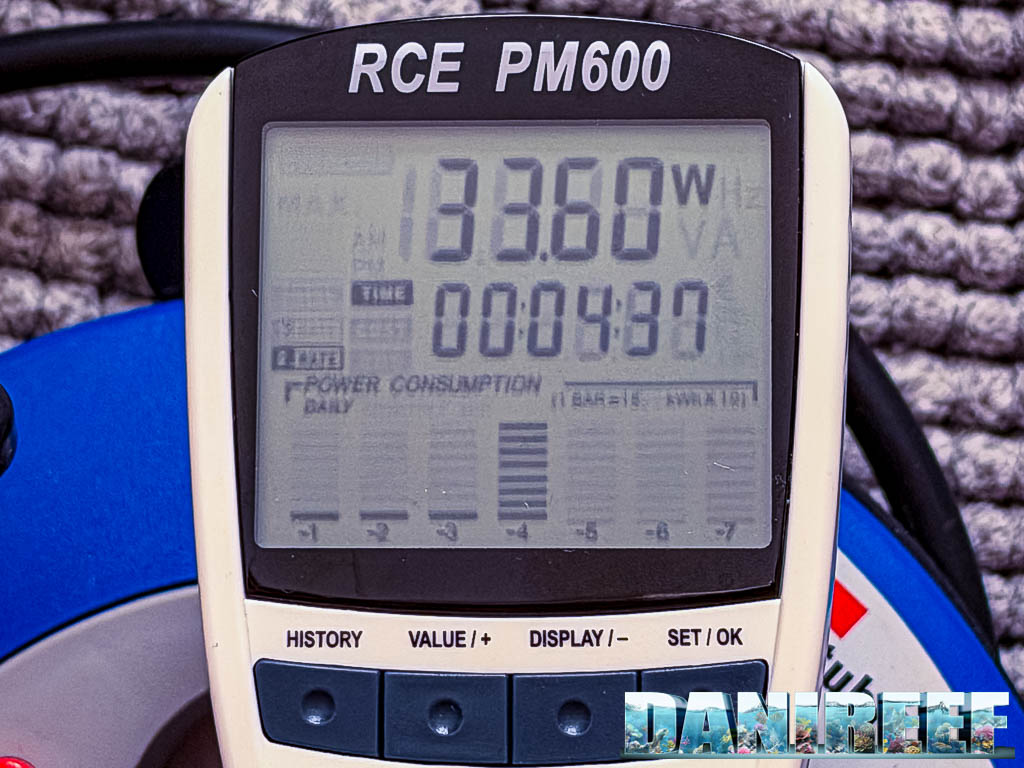
Measured power consumption of the Sicce Mega Filtra 650: 33.60 watts
The measured power consumption was 33.6 watts, which is 9.6 watts more than the declared 24 watts. The percentage difference, equal to 40%, is significant and must be highlighted; in absolute terms, however, the power draw remains limited for an external filter of this size and capacity.
Assuming continuous operation and an electricity price of 0.27 euros/kWh, the declared consumption would result in an annual cost of approximately 57 euros, while the measured figure would increase the cost to approximately 79 euros. The difference is therefore around 22 euros per year, or slightly less than two euros per month. It would be interesting to repeat the measurement on a second unit to determine whether the discrepancy is specific to the filter we received or common to the model.
Noise
Another very important aspect, especially in a domestic environment, is noise. Sicce describes the Mega Filtra range as designed to provide quiet operation, but as we know, actual noise levels always depend on the installation, the presence of air in the circuit, the correct positioning of the hoses, the surface on which the filter rests and the condition of the impeller.
In our test setup, once the air had been correctly expelled from the circuit, the noise produced was practically imperceptible. We cannot, however, assign an instrumental value to the noise level, as we did not carry out our usual test inside a cabinet with the filter permanently installed.
Which aquariums is the Sicce Mega Filtra 650 suitable for?
On paper, the Mega Filtra 650 is suitable for a very wide range of tanks. It can make sense in a large freshwater community aquarium, in a tank with medium-sized fish and a substantial organic load, in a large aquascaping aquarium where a filter with generous media volume is required, and also in certain marine or brackish setups where a well-organised external filtration system is desired. Sicce explicitly declares it compatible with both freshwater and marine aquariums.
In practical terms, the Mega Filtra 650 appears particularly interesting for:
- medium to large freshwater aquariums;
- well-established community tanks;
- aquariums requiring good filtration capacity and straightforward maintenance;
- setups in which a dedicated prefilter can make a genuine difference;
- specific applications requiring a complete and well-equipped external filtration system.
For marine use, as always, much depends on the type of aquarium. In any case, an external filter cannot replace a complete technical setup with a protein skimmer and dedicated management, but it can complement it by helping to address certain needs, such as increasing the available biological filtration volume, providing space for activated carbon or adding intensive mechanical filtration.
Naturally, the figure “up to 650 litres” must always be interpreted intelligently. There is no magic number that applies to every aquarium. A heavily stocked aquarium with large fish, abundant feeding or a high organic load cannot be compared with a heavily planted, well-balanced tank with a lighter fish population. As always, the declared maximum capacity is a useful commercial and technical reference, but the actual sizing must be determined according to the design and requirements of the aquarium.
Conclusions
The Sicce Mega Filtra 650 is an external filter that impressed us from the outset with its design philosophy. It has a rational structure, a complete set of filter media, a prefilter that promises to genuinely simplify maintenance, a well-designed valve block and a priming system clearly focused on practicality.
The most interesting aspect, at least from our point of view, is that it does not simply combine a filter body and a pump, but attempts to create a simpler, cleaner and more orderly user experience. For an external filter, that is no small achievement.
It appears to be a product designed not so much to pursue the most aggressive figure on the specification sheet, but to provide solid, rational and well-organised filtration.
In this test, we evaluated everything that could be assessed correctly and seriously: construction, practicality, maintenance, flow rate, maximum head, power consumption and general operation. For this reason, our current verdict on the Sicce Mega Filtra 650 is very clear: excellent design foundations, a convincing overall approach and very interesting technical and functional test results. It remains to be seen, perhaps in a future long-term field test, how it will perform over time in a real aquarium.
Finally, a note on the price, which in our opinion is particularly competitive in relation to the construction, equipment, design solutions, warranty and measured performance. Overall, at 249 euros, the Sicce Mega Filtra 650 represents a convincing and well-positioned proposal within its category.
PROS
 Very interesting dedicated prefilter
Complete set of filter media included in the box
Valve block designed to simplify maintenance
Integrated quick priming system
Orderly internal structure and easy-to-manage baskets
Good filtration capacity for its category
CONS
 No electronic flow-rate adjustment, which is available only on the 950 SDC
Measured power consumption higher than the declared value, although the estimated additional cost is slightly less than 2 euros per month.

Disclaimer: We would like to thank Sicce for providing us with the Sicce Mega Filtra 650 external filter for this technical review. The filter will be returned after the test.
Scopri di più da DaniReef - Portale dedicato a Acquario Marino e Dolce
Abbonati per ricevere gli ultimi articoli inviati alla tua e-mail.