The truth about salinity in aquarium
marzo 27, 2012 by DaniReef.com
Filed under CHEMISTRY
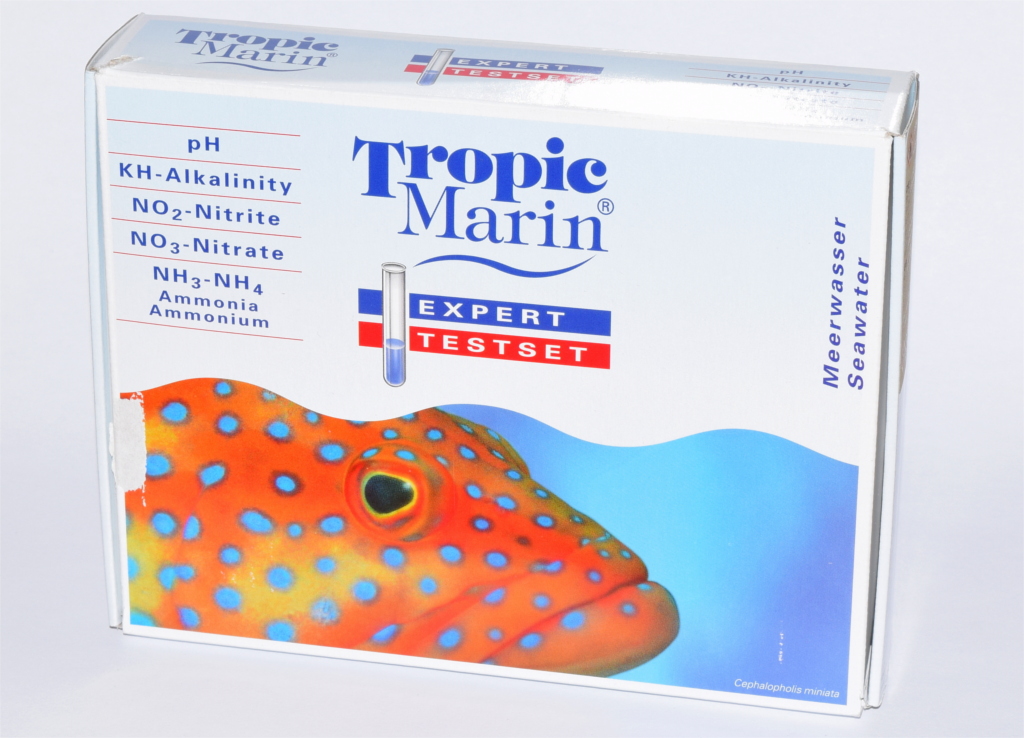
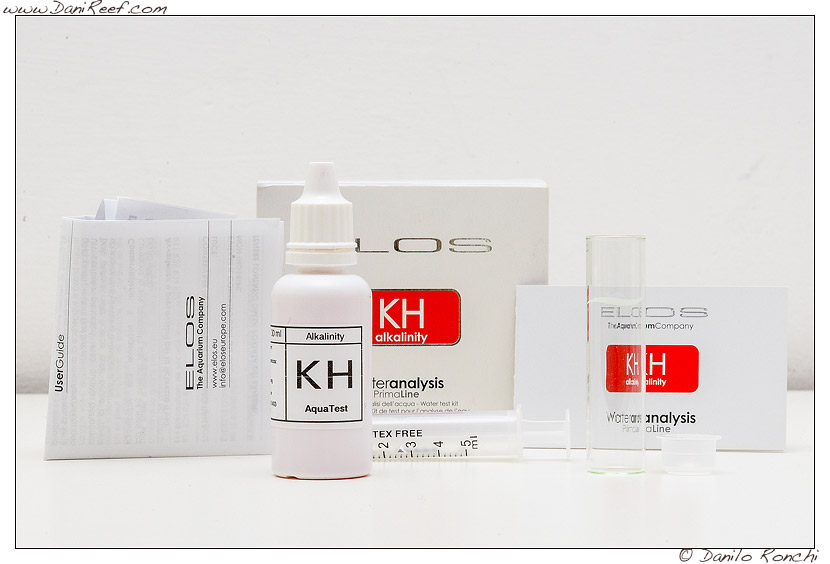
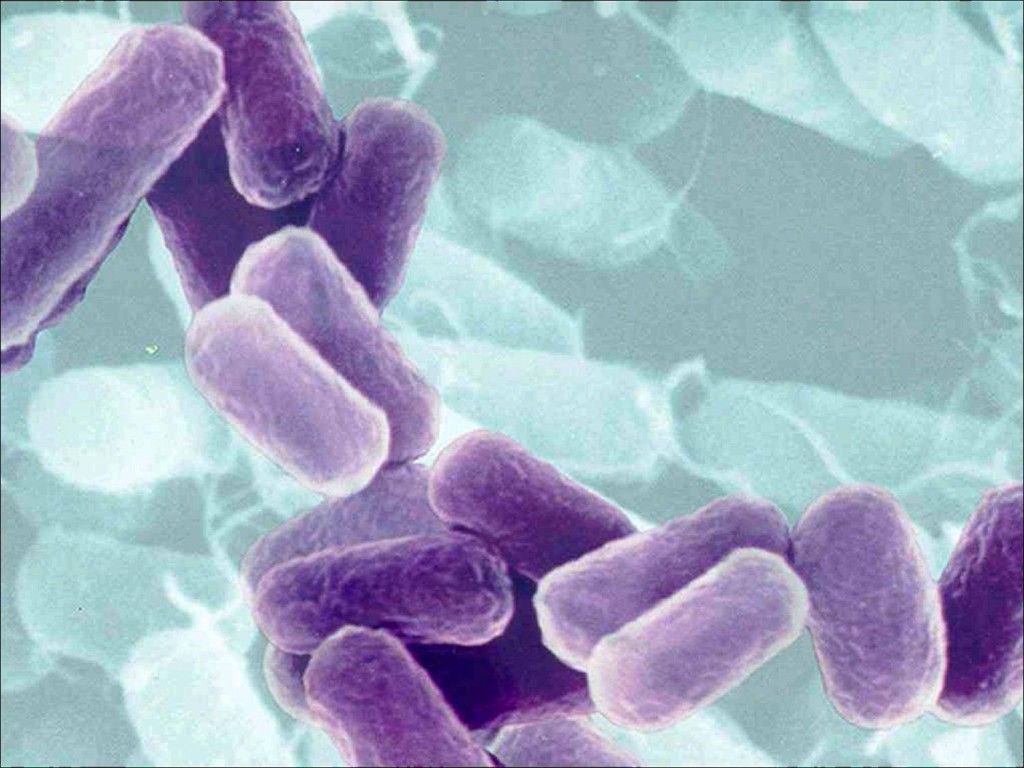
The topic of salinity in an aquarium is a highly controversial topic. There is a lot of misleading and confusion when regarding about this topic. Because this is the case, let’s give some “technical” definitions regarding broadness of this matter.
Salinity is the proportion of the content of all salts contained in the sea water, this is expressed in parts per thousands (‰). For example, if we consider a salinity of 35‰, this would mean that if we would have 1000 grams of solution, so we would have more water than salt, as there would be 35 grams of salt and 965 of pure water. Obviously, this is not a size influenced by the temperature. A common mistake is to consider 35 grams of salt per liter of pure water, this is wrong, as shown above from the definition of salinity.
Leggi tutto il post – Read more
Popularity: 9% [?]
Liquid Fertilization PART 2/3
maggio 26, 2011 by faao
Filed under CHEMISTRY, FRESH WATER
This will be my first article about liquid fertilization. What I will write is according to all the tests that I have been done along these years of practice and not about what I did read over internet.
Fertilizing isn’t a scientific act that you should follow in a rigorous way; any aquarium is an aquarium and the conditions can be strictly different from one aquarium to another, even that we have used the same plants on them; light, CO2, general and carbonate hardness and soil could affect the liquid fertilization as well the way how your plants grows and consumes the nutrients.
Having a good and rich soil will reduce the doses of liquid fertilizer on water column because plants will be feed also from the roots and the availability of constant nutrients permits a good and healthy grow.

And if I didn’t use a rich soil, can I add some nutrients into the soil and renew it?
Yes, it is possible. In case of old substrate or it is possible to renew the soil adding some capsules of nutrients of ELOS TerraUno.
This will permits us to keep our planted aquarium with a small amount a liquid fertilization, quantity enough for the leaves have constant food during their photosynthesis. Plants metabolism could be normal to higher when exposed to high light and good quantity of carbon dioxide; but this subject will be explained on the 3rd part of this article.
Potassium:
The most important and complex nutrient for a planted aquarium is K (potassium). The non existence of a test for freshwater, turns this nutrient into a problem when used in a wrong way. Some problems that I have noticed using potassium, were in the past myths and related as a different source of problem.

Let’s see the case of the appearance of green dust algae.
Some people think that the problem is related to the lights; the use of bulbs dedicated to plants (pink bulbs) promotes the growing of these algae on glasses and hardscape… Are they right?! And about the lack of nutrients, could this cause this symptom? Bad or insufficient maintenance?
No, definitely not! The overdosing of Potassium is a big problem for all aquascapers and due my stubbornness, I just found the problem and how to control it.
If you dose K on the water and after 1 or 2 days you notice that your hardscape and/or glasses start getting green dust, it means that you add more potassium than plants need. In this case I suggest a water change in order to establish the balance of nutrients on water’s column and clean the glasses. The glasses will be your test for that! After, reduce the dose until the problem is solved, but try to keep it always on the water otherwise the other nutrients aren’t absorbed!
Green dust is an easy and fast way to notice that we are doing a bad liquid fertilization; if you don’t solve it and let it run like this, in a short time other algae will appear because excess of potassium will inhibit the assimilation of the other nutrients.
Phosphorous and Nitrates (NO3 and PO4):
There is a relation between both nutrients, if one doesn’t exist the other will not be assimilated by the plants; and if you don’t have K (potassium) none of both aren’t absorbed!
How it works the NPK (it is known by Nitrate – phosphorous – Potassium)?
• Nitrates and phosphorous are assimilated if potassium is present.
• Nitrates are absorbed if phosphorous is present and vice versa.
• In case of lack or excess of Potassium, nitrates and phosphorous aren’t assimilated.
Which values of N and P shall I keep on a planted aquarium?
Most of people likes to use the proportion of 10:1ppm (NO3:PO4), but since I’m not using different compounds (powders) to fertilize my aquariums, I’m really happy with the proportion used by ELOS on FASE2 or Planta2, that is the 5:1ppm. What I like most on these fertilizers is the way how the NO3 is released on the water. The PO4 is measure in few minutes after we dose but the NO3 not. The chemical reaction of these fertilizers with the water is different of other brands, the NO3 has a very slow release and available very slowly on the water and only after some hours you can measure it. This is absolutely amazing when we have invertebrates and fishes very sensible to NO3 and in the case of nitrogen cycle, you can simply start dosing since the plants are adapted. Usually the values of phosphorous are null during nitrogen cycle and the values of Nitrates are very high, the slow release of NO3 from the fertilizer will not affect and raise the current values of NO3, but the opposite because you’re adding phosphorous in the water and the plants start growing very fast and absorbing the NO3 available on the water faster, reducing the nitrogen cycle for a half time (when used good enzymatic bacteria)… sometimes even faster. This is why I fertilize my aquariums very soon and most of people don’t understand why!
Iron and trace elements:
Iron is very important for plants because helps to fix the nitrogen and chlorophyll production. In high demanding planted aquarium, iron should been dosed regularly because the plants during their photosynthesis will absorb the nutrients very fast and metabolism works faster than normal; if there is a lack of this nutrient plants will start getting chlorosis, the new leafs born yellow and the old leafs get even worse; they will be very weak and after a short time will die.
Trace elements are always associated on Iron fertilizer because they help the plants absorbing the Iron and the other nutrients.

ELOS Fase1 is composed by chelated irons (Fe-EDDHA, Fe-DTPA, Fe-EDDCHA) and micro elements (boron, zinc, molybdenum, manganese etc.) and can be used as unique liquid fertilizer in low demanding planted aquariums.
As potassium, there isn’t available on the market Iron tests for chelated Iron, so it means that any brand that supplies iron water’s test for measuring the iron that they produces, they are selling “shitty” products and Iron is not chelated. Fertilizing with no chelated iron is the same of polluting the water, that iron will not be absorbed by the plants and if you fertilize on the same time with phosphorous, the probability of get filamentous algae is of 90%.
Along these years I have tested a lot of liquid fertilizers and most of them are a waste of time and money. Some people are really happy with them because after dosing 30ml, 50ml, 100ml daily, they say that it is an amazing fertilizer because their plants are fantastic and without any kind of algae; but they don’t sit and think that they are spending money in one fertilizer with 95% of water… They are spending money in water!!!
Popularity: 6% [?]
Liquid Fertilization ‘ Planted Aquariums 1/3
maggio 24, 2011 by faao
Filed under CHEMISTRY, FRESH WATER
What we should know about liquid fertilization?
Very simple… We need to divide the subject in 3 parts; measure the levels of nutrients choosing the right tests, use a good liquid fertilizer with nutrients required by plants and find the balance between nutrients vs CO2 and Lighting.
PART1: Choosing the right tests
What really makes me some confusion is when I talk with somebody about planted aquariums and maintenance, they refer that are using powders to fertilize their aquariums without knowing what are doing… They read somewhere that for keeping aquatic plants in aquarium need phosphorous, nitrates and potassium; basis nutrients as known by NPK. It is too scary listen those people saying that dose 20ml daily of each or even more, depending on the size of the aquarium… but the plants really need such quantity of liquid fertilizer? Unless the concentration of each liquid fertilizer is too small that can permits to add to the water’s column what I usually call of Water’s fertilizer; 98% of water with 2% of nutrients! But this is not a problem, the main problem is they are doing that without knowing the measures because they don’t use tests and when they have it, don’t have the right ones. Please don’t make confusion with NO2 and NO3, both began with the letters “NITR”, but one is Nitrites and other is Nitrates.
To keep a planted Aquarium you will need several tests like PO4 (phosphates), NO3 (nitrates), gH (general hardness), kH (carbonate hardness) and pH (acidity test).
Do we need all of them?!
If you want to keep and know what is happening with your aquarium, you should have them and not wait too long to make some tests when something really happens. Usually I compare this with insurances; people that have them are always complaining about the money that spend with them without taking any benefit, until someday when something happens, they regret for don’t have it or gave up because they didn’t need it.
Tests are more or less the same, we can have them for a long time without using them, but when the plants get algae, are doing meltdown or weak, some fishes start dieing… something is not right; and if you can take care of the problem as soon as possible, better for the healthy of your plants and fishes.
And what about strips tests, are they good?
The strips tests and even some drops tests aren’t too good… to have an idea of the measure values they are nice but not good because most of the time give us different values even when you do it 2 or 3 times in a row.
I remember one time that I was doing a maintenance at one planted aquarium that was full of algae and the test used gave nitrates always above 25ppm. I will not reveal the brand, but I can assure that I will never use or recommend that to a friend or customer. On that tank we have done several water changes waiting that NO3 get normal values or stay near of zero without success. We tested the tap water and the values of NO3 were really high, finally we discover the problem; it was the tap water… or not, because this is not the end of the story! This situation was so strange because the plants stopped growing and all the nutrients were there; The aquarium was well equipped with CO2 and Lighting, no visible reason for that. It was when I remembered to use a different test from other brand; surprisingly the water wasn’t NO3 at all!!!! Not satisfied, I used my own tests and the water of the aquarium and tap water were free of Nitrates… The plants were plenty of algae because of a lack of nutrient and not excess.
If this happened to me and I was using tests (the bad tests on the beginning), I really don’t understand how people can keep a planted aquarium without them.
You can see if a test is good or not when you do several tests in short period of time; if the results are different from one test to another, those tests are nice to have an idea but not good to have precise values. Having 10ppm of nitrates is not the same of having 20ppm.
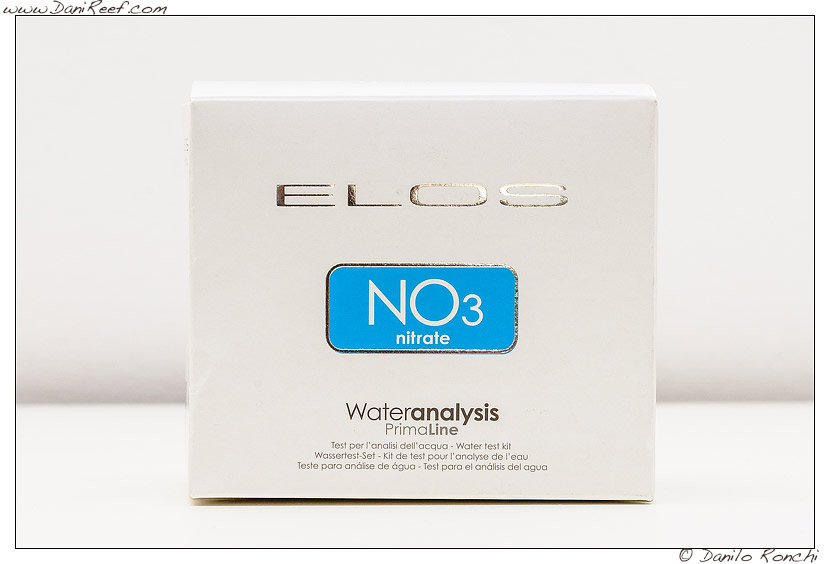
The ELOS NO3 test Kit is precise and unique on the market. You can measure the nitrates of your aquarium in a scale of 1ppm~25ppm (1-2.5-5-10-25ppm); to do the test you only need to use 5ml of water into a vial, measure spoon of 0,15ml of Reagent A and 6 drops of Reagent B; very simple and easy!

Tests of gH and kH are really needed?
Any planted aquarium that uses argyle as a soil, wood and CO2 usually the water change a little bit his own properties. It become more soft and sometimes we have big surprises.


General hardness gH is what distinguish from soft to hard water, because the results of the hardness depends of the quantity of Magnesium and calcium dissolved on the water. Aquatic plants grow faster if we have soft water around 4~8º; the availability of calcium and magnesium are enough to avoid lack of nutrients and in case of lack, we can simply add Trace elements on the water to solve the problem. When the hardness is too hard, I’m not refering to values between 8~14º but even higher, this problem can be solved using RO Water (reverse osmosis) during water changes. I have been noticed that some plants likes a little bit hardness, in some situations raise the values to 10~15º will enhance the coloration and the way how the plants grow. Stem plants will grow or expand more on horizontal and will be kept for more time below the lighting, enhancing their colouration and get more reds. Increasing the hardness will also increase the difficult on keeping the planted aquarium, because if they don’t grow so fast as before, we need to control again the routine fertilization.
To raise the values of gH, I recommend the use of ELOS Rigenera because contains the right proportion of Calcium and Magnesium.
Carbonate hardness kH needs to be above 3º to have a stable aquarium, otherwise the water can be very acid and we have a big problem for plants and fishes because pH goes down very quickly and could pass from 7 to 4 without you noticed that. Some plants start doing meltdown and disappear from the aquarium; please don’t make confusion with cryptocorynes. This plant can simply do a meltdown when some parameters oscillate, don’t panic because in a few days (2 weeks) will born again. The general meltdown of some plants (not cryptocoryne) can result from the high acidity of the water. In case of you need to raise carbonate hardness of the water you can use Kh+ (buffer) slowly to avoid great oscillation of water’s parameter.
Popularity: 5% [?]
Test
aprile 13, 2009 by DaniReef.com
Filed under CHEMISTRY, CHIMICA

Dopo un mese dall’inserimento del reattore di calcio con ARM nuova di zecca ho fatto un giro di test, questi sono i risultati
| Data: 11 aprile | Test Elos |
| Fosfati – PO4 | 0.00 mg/l |
| Nitrati – NO3 | 0 mg/l |
| Carbonati – Kh | 7 dKh |
| Calcio – Ca | 410 ppm |
| Magnesio – Mg | 1.500 ppm |
| Sonde Biotopus | |
| Temperatura – T | 25,7°C |
| Ph | 8,35 |
| Redox | 473 |
| Rifrattometro | |
| Densità – % | 35 /ooo |
mentre il reattore di calcio usciva con 27 di Kh e 530 di calcio… sebbene i valori siano buoni devo aumentare leggermente la CO2 per migliorare l’efficienza. Notare che non ho sonda pH nel reattore di calcio.

Today I measured values of my tank… one month after installing new calcium reactor and the value are good… from calcium reactor I’ve 27 dKh and 530 of calcium I need to put more CO2…
| April, 11 | Elos test kits |
| Phospates – PO4 | 0.00 mg/l |
| Nitrate – NO3 | 0 mg/l |
| Carbonate – Kh | 7 dKh |
| Calcium – Ca | 410 ppm |
| Magnesium – Mg | 1.500 ppm |
| Biotopus probes |
|
| Temperature – T | 25,7°C |
| Ph | 8,35 |
| Redox | 473 |
| Refractometer |
|
| Density – % | 35/ooo |
Popularity: 10% [?]
Test of my tank
dicembre 10, 2008 by DaniReef.com
Filed under CHEMISTRY, CHIMICA, LA MIA VASCA

Sono due settimane che ho ripreso a fare i test dopo oltre 4 mesi che non li facevo
La vasca sta ricominciando a girare bene… anzi è troppo magra!!!
| Data: 10 dicembre | Test Elos |
| Fosfati – PO4 | 0.00 mg/l |
| Nitrati – NO3 | 0 mg/l |
| Carbonati – Kh | 8 dKh |
| Calcio – Ca | 400 ppm |
| Magnesio – Mg | 1.700 ppm |
| Sonde Biotopus | |
| Temperatura – T | 25,7°C |
| Ph | 8,40 |
| Redox | 495 |
| Rifrattometro | |
| Densità – % | 35 /ooo |

Today I measured values of my tank…is was about 4 month I didn’t do that…
We need corals food!!!
| 12 of july | Elos test kits |
| Phospates – PO4 | 0.00 mg/l |
| Nitrate – NO3 | 0 mg/l |
| Carbonate – Kh | 8 dKh |
| Calcium – Ca | 400 ppm |
| Magnesium – Mg | 1.700 ppm |
| Biotopus probes |
|
| Temperature – T | 25,7°C |
| Ph | 8,40 |
| Redox | 495 |
| Refractometer |
|
| Density – % | 35/ooo |
Popularity: 14% [?]
Considerazioni sul caldo estivo in acquario – Considerations on hot temp into the tank
luglio 30, 2008 by DaniReef.com
Filed under CHEMISTRY, CHIMICA
For English version please click here
![]() |
![]() |
Il mio sistema di raffreddamento della vasca viene gestito tramite refrigeratore (aquamedic titan 205) e tramite ventola tangenziale, comandati dall’Aquarium Controller di Aquatronica.
A 27,1 gradi parte la ventola tangenziale e si spegne quando la temperatura torna a 27 gradi. Nel caso in cui la temperatura arrivi a 27,5 gradi invece si accende anche il refrigeratore che si spegnerà poi al raggiungimento di 27 gradi. Il sistema in questo modo è sufficientemente equilibrato ed anche ridondante, in modo che anche se uno dei due sistemi non dovesse funzionare a dovere ci sarebbe l’altro di riserva. Inoltre, nel caso in cui qualcosa dovesse andare storto, e la temperatura dovesse raggiungere i 28 gradi, Aquatronica interverrebbe a spegnere 6 neon (su
della plafoniera per togliere la fonte di calore preminente.
In questi ultimi giorni la temperatura è costantemente sopra i 30 gradi, e così ho pensato di stravolgere le mie impostazioni.
The cooling system of my tank is based on chiller, aquamedic titan 250, and one tangential fan, driven by Aquarium Controller of Aquatronica.
When the tank temperature reaches 27,1 celsius degrees the tangential fan begin to work, and when reaches 27,5 degrees also chiller begin to work. In this way I have two systems, so I’m quite sure to have one ready to go if the other fails. And if something goes wrong, at 28 degrees Aquatronica light off 6 neon (on
of my lighting system.
But in these days the air temperature is over 30 degrees so I’ve thought to change my cooling settings.
Leggi tutto il post – Read more
Popularity: 14% [?]
Test
luglio 13, 2008 by DaniReef.com
Filed under CHEMISTRY, CHIMICA

Ho appena rifatto i test della vasca, dopo oltre un mese e dopo aver cambiato schiumatoio passando dal precedente Elos NS1000 ad un Elos NS2000…

La vasca non gira benissimo eppure i valori sono praticamente perfetti… il redox è un po’ basso in effetti, ma cose strane non ce ne sono… sarà una fase…
I test che ho usati erano nuovi ed aperti per l’occasione, in quanto quelli che usavo prima erano arrivati a quasi un anno di vita e non mi sono fidato a continuare ad usarli, credo che dopo 6 mesi che sono aperti, sarebbe meglio cambiarli… ed io avevo anche ecceduto in quel senso.
| Data: 12 luglio | Test Elos |
| Fosfati – PO4 | 0.00+ mg/l |
| Nitrati – NO3 | 5 mg/l |
| Carbonati – Kh | 10 dKh |
| Calcio – Ca | 440 ppm |
| Magnesio – Mg | 1.700 ppm |
| Sonde Aquatronica / Limulus | |
| Temperatura – T | 27,1°C |
| Ph | 8,15 |
| Redox | 293 |
| Sonda Aquatronica | |
| Densità – % | 31,12 /ooo |

Today I measured values of my tank… it passed a month from the last time, and I’ve changed the skimmer meanwhile, from Elos NS1000 to Elos NS2000, as you can see the photo above.
All the test kits are brand new, because what I used until now are almost one year old, and I think that they are used enough!
My tank has some problem, but value are almost perfect… only redox value is too low…
| 12 of july | Elos test kits |
| Phospates – PO4 | 0.00+ mg/l |
| Nitrate – NO3 | 5 mg/l |
| Carbonate – Kh | 10 dKh |
| Calcium – Ca | 440 ppm |
| Magnesium – Mg | 1.700 ppm |
| Aquatronica / Limulus probes |
|
| Temperature – T | 27,1°C |
| Ph | 8,15 |
| Redox | 293 |
| Aquatronica Density Probe |
|
| Density – % | 31,12/ooo |
Popularity: 13% [?]
La giusta temperatura in acquario – the right temperature in aquarium
febbraio 29, 2008 by DaniReef.com
Filed under CHEMISTRY, CHIMICA
For English version please click here
Ultimamente mi stavo chiedendo quale fosse la miglior temperatura in acquario… con tutte le considerazioni che questo comporta.
Io sono solito, diciamo così, tenere la temperatura fra i 25,5 gradi ed i 27,5 gradi, aiutandomi con la gestione tramite Aquatronica e/o Limulus.
Leggendo il bellissimo libro di Bornemann “Aquarium Corals”, trovo però che la media della temperatura in natura sia di 28°C. E che viaggia da un minimo di 21°C ad un massimo invalicabile di 30°C.
Così ho cominciato a farmi qualche domanda.
Innanzi tutto aumentando la temperatura in acquario otteniamo di diminuire il contenuto di Ossigeno disciolto, e questo è male, inoltre aumentiamo il metabolismo degli animali, ottenendo (in teoria) animali più attivi e colori più sgargianti.
Inoltre tenendo una temperatura, diciamo medio-alta, abbiamo meno problemi estivi, nel senso che i nostri animali sopporteranno molto maggiormente le temperature estive più alte. Io ho due ventole tangenziali che mi aiutano a tenere più bassa la tamperatura, ma ovviamente una cosa è tenere l’acquario a 27,5°C ed un’altra è tenerlo a 28,5°C.
Inoltre la crescita dei coralli aumenta a temperature elevate.
Certo avere una temperatura alta vuole anche dire avere qualche problema di ambientamento nel momento in cui dobbiamo inserire animali che siano abituati a temperatura ben più basse, rischiando di avere un recesso di tessuti come descrive sempre Bornemann nel suo libro
Analizziamo invece come si comporta il nostro acquario con temperatura più basse, attorno ai 26°C costanti.
In questo caso aumenta la concentrazione di ossigeno disciolto, si rischiano, forse, meno bruciature degli animali e si limita l’evaporazione invernale, ma si aumenta quella estiva. Siamo comunque lontano dalle medie rilevate in natura (senza considerare che la temperatura si sta cmq alzando in questi ultimi anni…), anche se temperature basse vogliono anche significare una minor crescita algale.
Quindi quale potrebbe essere la temperatura ideale da mantenere in acquario? Quanti gradi di differenza fra giorno e notte?
Io ho intenzione di portare, con calma, la temperatura del mio acquario ad oscillare fra i 26°C ed i 28°C, aumentando quindi di 0,5°C.
Certo con un computer collegato all’acquario ci si potrebbe spingere oltre… cercando di far ottenere all’acquario il massimo della temperatura con la metà del fotoperiodo in modo da simulare il mezzogiorno, ed ancora collegare le HQi allo stesso computer e spegnere le HQi nel momento in cui si misuri in acquario una temperatura di 29°C dovuta ad un qualsiasi malfunzionamento dei dispositivi di raffreddamento. Analogo discorso lo si può fare con le T5 sebbene queste riscaldino meno delle HQi.
A questo proposito sarei curioso di provare il Biotopus della Elos, dato che in memoria ha tutta una serie di biotopi e che quindi dovrebbe aiutarci nella ricerca della temperatura perfetta.
E comunque alla fine però i dubbi rimangono… Bornemann suggerisce un intervallo di 27/29°C…
E voi?
Lately I’m asking myself which was the better temperature in Aquarium… with all the considerations that involves. I am usual to hold the temperature between the 25,5 degrees and the 27,5 degrees, helped through Aquatronica and/or Limulus aquarium computer.
Reading the beautiful book of Bornemann “Aquarium Corals”, I discover the average of temperatures in nature is of 28°C. From a minimum of 21°C to a invalicabile maximum of 30°C. Therefore I have begun to ask some questions to me.
In the first place if we increase temperature in aquarium we diminish the total oxygen content, and this is bad, moreover we increase the metabolism of animals, obtaining (in theory) more active animals and more bright colors.
Moreover if we hold an almost high temperature (28°?), we’ll have little problems on summer, because our animals are used to sense high temperatures, and they’ll suffer less for increasing temperature. When I had HQi on my tank I had two tangential impellers that helped me to hold low tamperature, but obviously is different to hold aquarium to 27,5°C or to 28,5°C. Anyway increasing temperature will result in more corals growth.
In same way, if we maintain high temperature we’ll have great trouble when we insert other animals, coming from low temp aquarium, and we’ll risk to have a tissue recess as it describes always Bornemann in his book.
And what if we analyze aquarium with lower temp, i.e. 25,5° (my actual temperature
)?
In this case it increases the total oxygen dissolved, winter evaporation is limited, but summer one is increased. We are however far away from averages found in nature (without to consider that the temp is raising in recent years…), and if temp is maintained low we may easily control the algae growth.
Therefore which it could be ideal temp to maintain in aquarium? How many degrees of difference between day and night?
I have intention to carry, with calm, temp of my aquarium to oscillate between 26°C and the 28°C, increasing therefore of 0,5°C.
Sure with a computer connected to the aquarium we could push beyond this idea…
We could try to achieve maximum of day temp with half of our illuminating day to simulate noon, and still to connect our light to the same computer and to light off some HQi if the aquarium temp will be off safe temp, like 29°, due to a whichever malfunctioning of the cooling devices. Analogous speech can be made with the T5 although these heat less of the HQi.
To this purpose I would be curious to try the Biotopus II of the Elos, since it has in memory a series of biotopi and that therefore it would have to help us in the search of the perfect temperature.
And however at the end we have doubts. Bornemann suggests an interval of 27/29°C…
And you?
Popularity: 37% [?]
Tds ed acqua di osmosi – Tds and RO water
febbraio 7, 2008 by DaniReef.com
Filed under CHEMISTRY, CHIMICA
Una delle cose a cui si da minor importanza in acquariofilia è incredibilmente l’acqua. Parlando infatti con tanta gente che possiede degli acquari sono in pochi quelli che dedicano anche solo una minima parte del loro tempo alla corretta manutenzione dell’impianto di osmosi. L’impianto di osmosi è in genere composto da una membrana osmotica, che grazie ad un processo per osmosi inversa crea acqua solitamente purificata fra il 95 ed il 98% ed almeno un filtro per sedimenti.
Gli impianti migliori però hanno ben più di due stadi e possono arrivare fino a 6 o 7, il tutto in funzione della qualità dell’acqua di partenza. Solitamente ai due stadi nominati sopra si aggiunge un filtro a carboni attivi e in caso di presenza di silicati anche di un filtro caricato a resine antisilicati.
Ecco, il mio impianto si è evoluto nel tempo, grazie ai consigli dell’amico Francois, fino ad arrivare ad essere un moderno impianti a 4 stadi.
Ora però riprendiamo il discorso della manutenzione. Come facciamo infatti a capire quando fare la manutenzione?
La membrana
In genere i produttori di membrane indicano un numero di litri che la membrana è in grado di trattare prima di essere cambiata. Il problema però è che questa durata è fortemente influenza da troppi e varii fattori, che quindi portano il numero fornito ad essere largamente inattendibile nella migliore delle ipotesi.
Ad esempio installare l’impianto di osmosi a valle di un addolcitore, che quindi porta il KH a zero nell’acqua, allunga di molto la vita della membrana, in quanto il KH è un acerrimo nemico della membrana.
La pressione di esercizio, la temperatura di esercizio, la manutenzione dei filtri posti a monte della membrana portano a variazioni importanti nella durata della membrana stessa.
Filtro per i sedimenti
Il filtro per i sedimenti, in genere un filtro a maglie, permette il suo attraversamento a particelle finissime di materiale, è quindi fondamentale cambiarlo abbastanza spesso per evitare che si intasi e che diminuendo la pressione all’interno della membrana diminuisca la propria resa. E’ altresì fondamentale che venga posto subito a monte della membrana (prima) e subito dopo ad un eventuale filtro a carboni attivi. Per mia esperienza suggerirei il suo cambio almeno una volta ogni 6 mesi, portando la frequenza annuale se si dispone di un impianto addolcitore a valle dell’impianto.
Filtro a carboni attivi
Il filtraggio tramite carboni attivi permette di togliere dall’acqua tutta una serie di composti chimici che risulterebbero dannosi in acquario, come ad esempio tracce di metalli, cloro e quant’atro. Anche qui la variabilità della durata del filtro è praticamente quasi impossibile da determinare. Ancora per esperienza suggerisco un cambio ogni 6 mesi circa.
Filtro anti silicati
Per tutti noi fortunati che abbiamo anche i silicati nell’acqua c’è una pessima notizia. L’impianto a tre stadi di cui abbiamo parlato non li può fermare, neanche minimamente. I silicati passano! Per questo è possibile aggiungere un filtro a valle dell’impianto per contrastarli. Il filtro viene poi riempito di apposita resina antisilicati, io uso le resine Silco. Queste resine hanno la stupenda caratteristica di cambiare di colore una volta che sono esaurite, permettendoci un controllo puntuale della loro manutenzione.
Orbene ho parlato di tutto questo per arrivare a dire che la manutenzione è fondamentale, ma a parte le (eventuali) resine antisilicati non sappiamo mai quando procedere alla manutenzione stessa.
Per ovviare a questo ho comprato, sempre dall’amico Francois che me lo ha segnalato, un “in line dual tds monitor“, in breve un misuratore continuo di ingresso ed uscita di tds (total dissolved solid = solidi totali disciolti).
I solidi totali disciolti sono l’insieme di tutte quei materiali che disciolti nell’acqua noi vogliamo togliere con il nostro sistema.
E’ dotato di due misuratori, uno da inserire a monte dell’impianto per monitorare i tds dell’acqua in ingresso, ed uno a valle per monitore i tds in uscita dall’impianto, che è sperabile siano a zero! Quando in uscita il tds aumenta è ora di procedere alla manutenzione dell’impianto e quando anche dopo la manutenzione il tds si manterrà alto sarà ora di cambiare la membrana stessa.
L’oggetto costa solo 27,10 euro e promette di essere affidabile… diciamo che vale il tentativo. Ovviamente è anche possibile usare un conduttivimetro, od un normale misuratore di tds a penna… ma questa soluzione mi sembra più elegante e più pratica.
Inoltre in questo modo è sempre possibile verificare se l’acqua sia buona e quindi da stoccare per un suo uso futuro, oppure se sia da scartare perché è la prima acqua creata dall’impianto di osmosi rimasto fermo per qualche giorno.
In ogni caso la misurazione mi ha chiarito che in ingresso la mia acqua ha un tds variabile fra 450 e 395 a seconda degli orari, parlo di domenica 3 febbraio, giorno del montaggio. Ed in uscita sono a 6 senza filtro antisilicati ed a 0 se collego anche il filtro.
Ottimo
E grazie a Francois per il consiglio.
Per informazioni cliccate su:
Forwater: sito dove ho acquistato il dual in line tds monitor e le resine silco antisilicati. Cliccate sulle parole per vedere gli oggetti nel sito.

Many acquarium-keepers give less attention to one of the more important things… the water. Speaking in fact with many people, they say to me to dedicate only one minimal part of their time to the corrected maintenance of the osmosis system.
The osmosis system is composed, in its simplest system, from a osmosis membrane, than thanks to a process for reverse osmosis usually creates water purified between the 95 and 98% and at least one sediments filter.
We can improve that system by adding more filters, so it’s possible to have 6 or 7 filters in function of quality of our water.
Usually the third filter is filled with active carbon and, if there are some silicates in your water, you can add one more after all the others, to filter silicates.
My system has evolved until now thanks to Francois, one friend of mine, and now it’s a four filters modern system.
Now let’s talk about maintenance.
How can we understand when it’s time to do some maintenance? Membrane producers indicate a number of liters after that we must change membrane.
(to be continued)
Popularity: 20% [?]
Ancora test… test kits again
febbraio 6, 2008 by DaniReef.com
Filed under CHEMISTRY, CHIMICA

Lunedì pomeriggio (4 febbraio) ho rifatto i test della vasca, dato che l’ultima volta che li ho fatti eravamo ancora nel 2007, ed addirittura a novembre!La mia gestione occhiocentrica/spannometrica in genere funzionicchia e la vasca da allora era migliorata tantissimo, i colori sono tornati quasi perfetti, il marrone rimane solo nelle acropore che sono marroni, e la crescita è tornata quella di un tempo, tanto che dover taleare è tornata una necessità e non certo un vezzo.
Da qualche giorno però mi sono accorto come la crescita sia quasi rallentata, e specialmente alcune montipore appoggiate al fondo non siano splendenti come sempre.
Così, armatomi di pazienza e dei soliti test (questa volta solo Elos) ho misurato i valori ed ho scoperto che:
| Data: 4 febbraio | Test Elos |
| Fosfati – PO4 | 0.01 mg/l |
| Nitrati – NO3 | 5 mg/l |
| Carbonati – Kh | 6 dKh |
| Calcio – Ca | 300 ppm |
| Magnesio – Mg | 1.100 ppm |
| Sonde Limulus | |
| Temperatura – T | 25,4°C |
| Ph | 8,07 |
| Redox | 476 |
| Rifrattometro Milwaukee |
|
| Densità – % | 32×1000 |
Come si vede dalla tabella la mia gestione occhiometrica, normalmente ottima, ha bisogno di essere verificata più spesso, anche se i test non sono strettamente indispensabili giornalmente, almeno, e dico almeno, una volta al mese andrebbero fatti!
I valori di PO4 ed NO3 li ritengo soddisfacenti anche se potrebbero sicuramente calare ulteriormente per portare colori ancora più accesi, mentre per i parametri inorganici non ci siamo proprio… Ca e KH sono troppo bassi! Inoltre il Kh basso significa un pH molto basso, la mattina arriva a 7,60!
I sintomi per accorgermi della cosa c’erano tutti, pH basso alla mattina, crescita rallentata… devo fare i test più spesso… ecco il proposito per il 2008!
E quindi vi consiglio di farli anche voi, non fate come me.

Monday afternoon (4 February) I did tests, last time I have made we were still in 2007, november 2007!
My management is based mainly on what I see, and from last measurement the tank was greatly improved, colors are quite perfect, the brown is alone in acropora that are truly brown, and the growths is like some month ago, now I need to fragment acropora because they grows too much.
From some day I noticed growth is diminished, and some Montipora near bottom of tank are changing his color.
So, armed with patience and usual test kits (this time only Elos) I have measured values and I have uncovered this:
| 4 of february | Elos test kits |
| Phospates – PO4 | 0.01 mg/l |
| Nitrate – NO3 | 5 mg/l |
| Carbonate – Kh | 6 dKh |
| Calcium – Ca | 300 ppm |
| Magnesium – Mg | 1.100 ppm |
| Sonde Limulus | |
| Temperature – T | 25,4°C |
| Ph | 8,07 |
| Redox | 476 |
| Refractometer Milwaukee |
|
| Density – % | 32×1000 |
My eyes normally are quite perfect… but it has need of being more often verified, even if the tests are not closely indispensable every day, at least, and say at least, once to the month would go made!
The values of PO4 and NO3 I think them satisfactory even if they could decrease a little bit more, in order to achieve more deeper color, while for inorganic parameters there was some troubles… Ca and KH are too much low! Moreover the low Kh means pH lower too, the morning arrives to 7,60!
I had all the symptoms to notice this particular situation, pH low to the morning, slowed growth rate…
I must do the tests more often!…
Here the purpose for 2008! And therefore I advise you to do more tests in a month… Don’t do like me!
Popularity: 10% [?]