

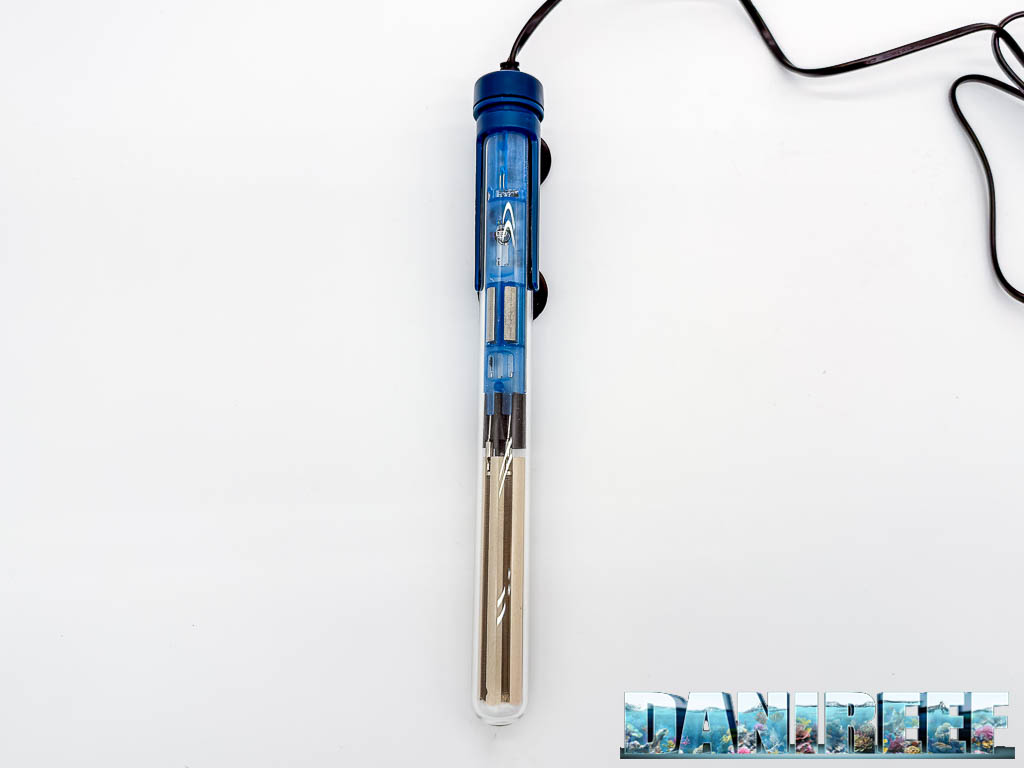
We had the opportunity to test the new Sicce Scuba Contactless 100-watt aquarium heater, one of the first models featuring NFC technology that allows temperature adjustment via smartphone. In this complete review we will see how it works, how it is installed, and what the real performance is in our aquarium.

This is not simply an update of an existing product, but a completely different approach to temperature control in aquariums. Let’s take a closer look at how it works and why this heater could represent a small turning point in the aquarium hobby.
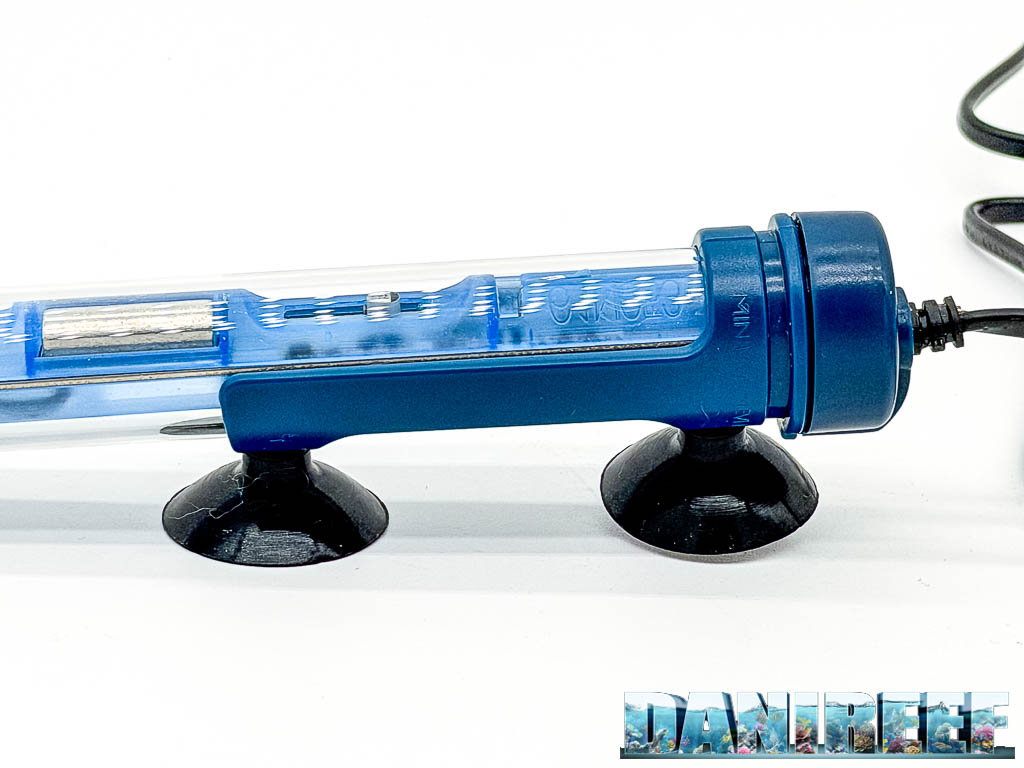
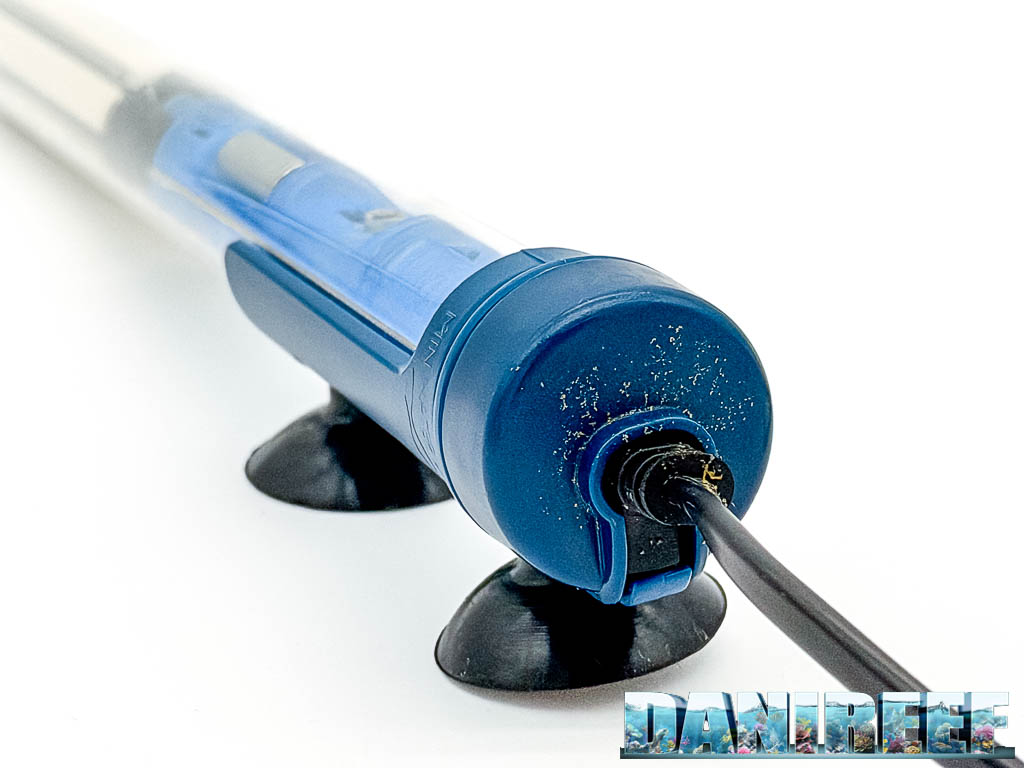
The Sicce Scuba Contactless completely eliminates the traditional mechanical temperature adjustment dial. Anyone with experience using classic heaters knows that this dial often represents a critical point: over time it can lose accuracy or, in the worst cases, become a possible point for water infiltration.
With this new model, Sicce has decided to remove any mechanical adjustment entirely and instead introduce NFC (Near Field Communication) technology. In practice, you can set up and configure the heater simply by bringing your smartphone close to the glass of the device using the Sicce ContrAll app (available for iOS and Android). A system that is simple, modern, and above all extremely precise.
After downloading the application from the App Store or Google Play Store, you simply create your account and add the device. At that point you only need to bring the phone close to the heater to read the current temperature, change the desired setting, or perform calibration based on the reference thermometer used in your aquarium.
Our video about the Sicce Scuba Contactless heater
As always, we also produced a video to show you how the device works in real life, from installation to configuration via smartphone and even electrical consumption measurements during operation. Don’t miss it!
Technical specifications Sicce Scuba Contactless heater 100 watts
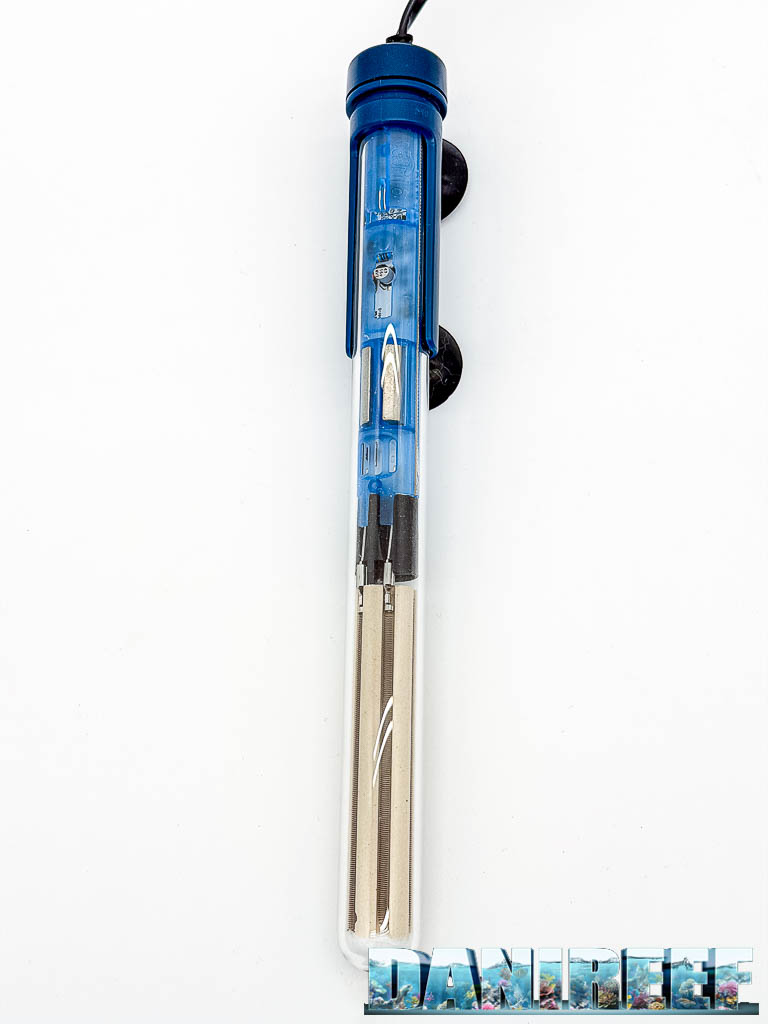
- High-strength, shatter-resistant glass;
- Contactless NFC technology for smartphone setup;
- Temperature adjustment via Sicce ContrAll App (15–35°C);
- Energy Saving mode for reduced-power maintenance;
- Italian plug;
- Power consumption: 100 watts;
- Compatible with freshwater and saltwater;
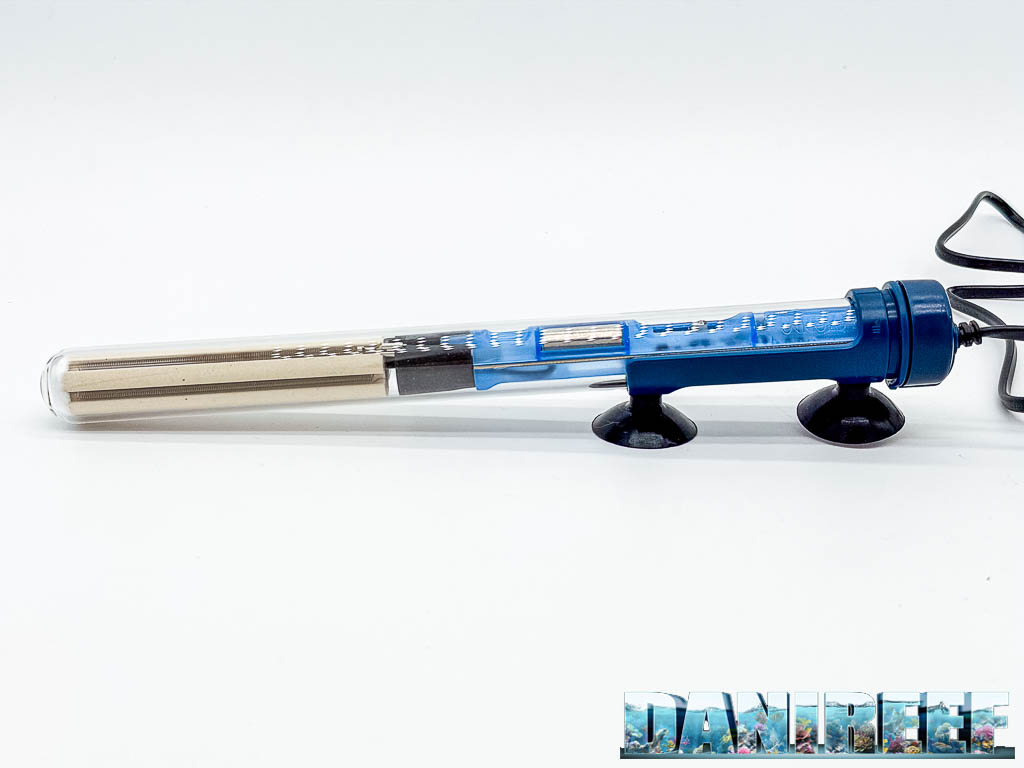
- Fully submersible with dry-run protection;
- Status monitoring LED light;
- Length: 30 cm.
A complete range for every aquarium
The model we tested in this review is the Sicce Scuba Contactless 100-watt, but the range is actually much broader and covers virtually any aquarium need.
The heater is available in 50W, 100W, 150W, 200W, 250W, 300W and 400W versions. This means it can easily be used both in small freshwater aquariums and in much larger marine tanks.
In our case we used the 100-watt version, but for our main aquarium we will probably choose a 200 or 250-watt model in order to completely replace the current heater and fully benefit from the power modulation that characterizes this new series.
The presence of such a complete range is another strong point of the Scuba Contactless line, as it allows aquarists to maintain the same NFC technology and intelligent power management regardless of tank size.
NFC and the ContrAll App: the end of the dial era
The NFC operation is probably the most evident innovation of this product. You can even set the temperature while the heater is still inside the box, simply by placing your phone close to it. The system does not require an internet connection at that moment: proximity is enough.
From the app you can view the temperature detected by the internal sensor, set the desired value, or apply a correction through the post-calibration function. This feature is particularly interesting because it allows the heater reading to be aligned with an external thermometer used in the aquarium.
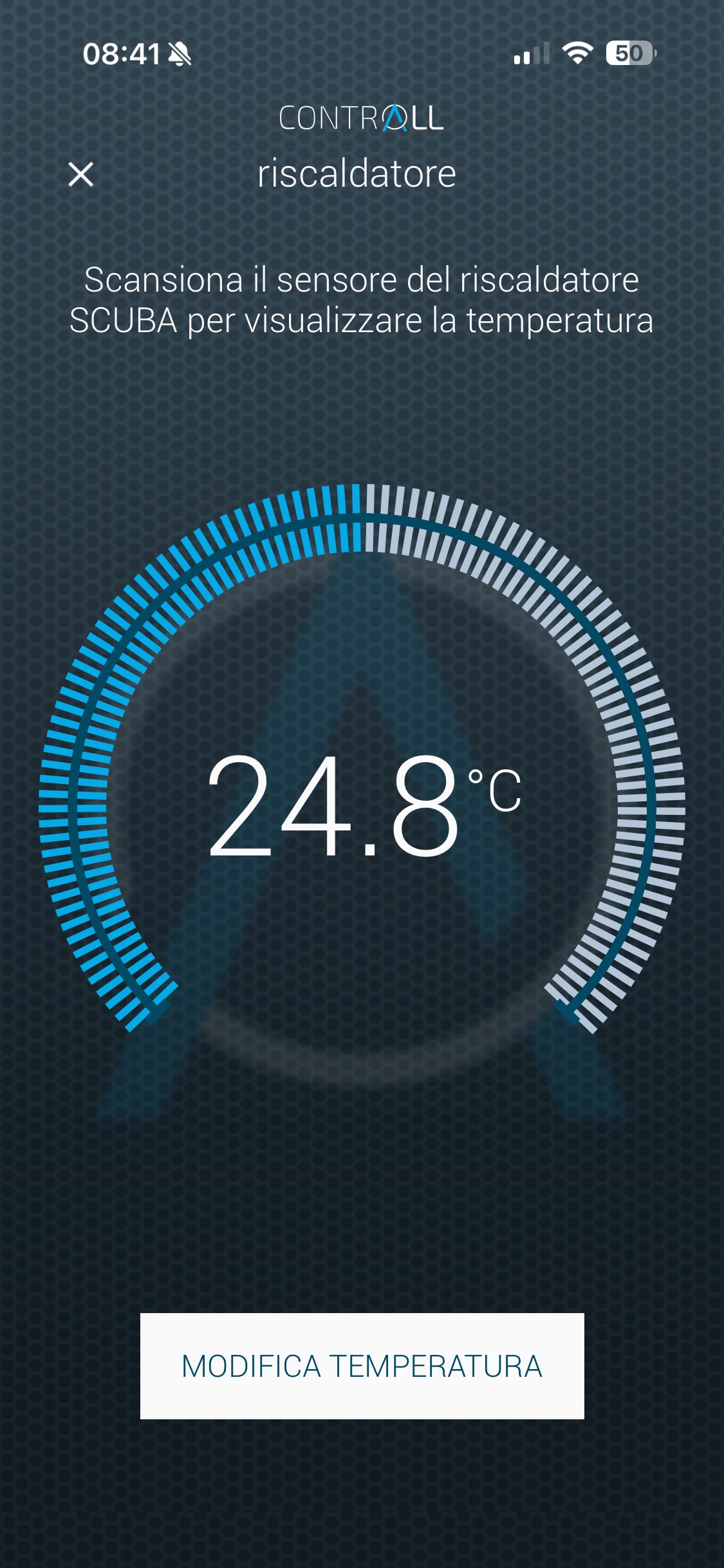
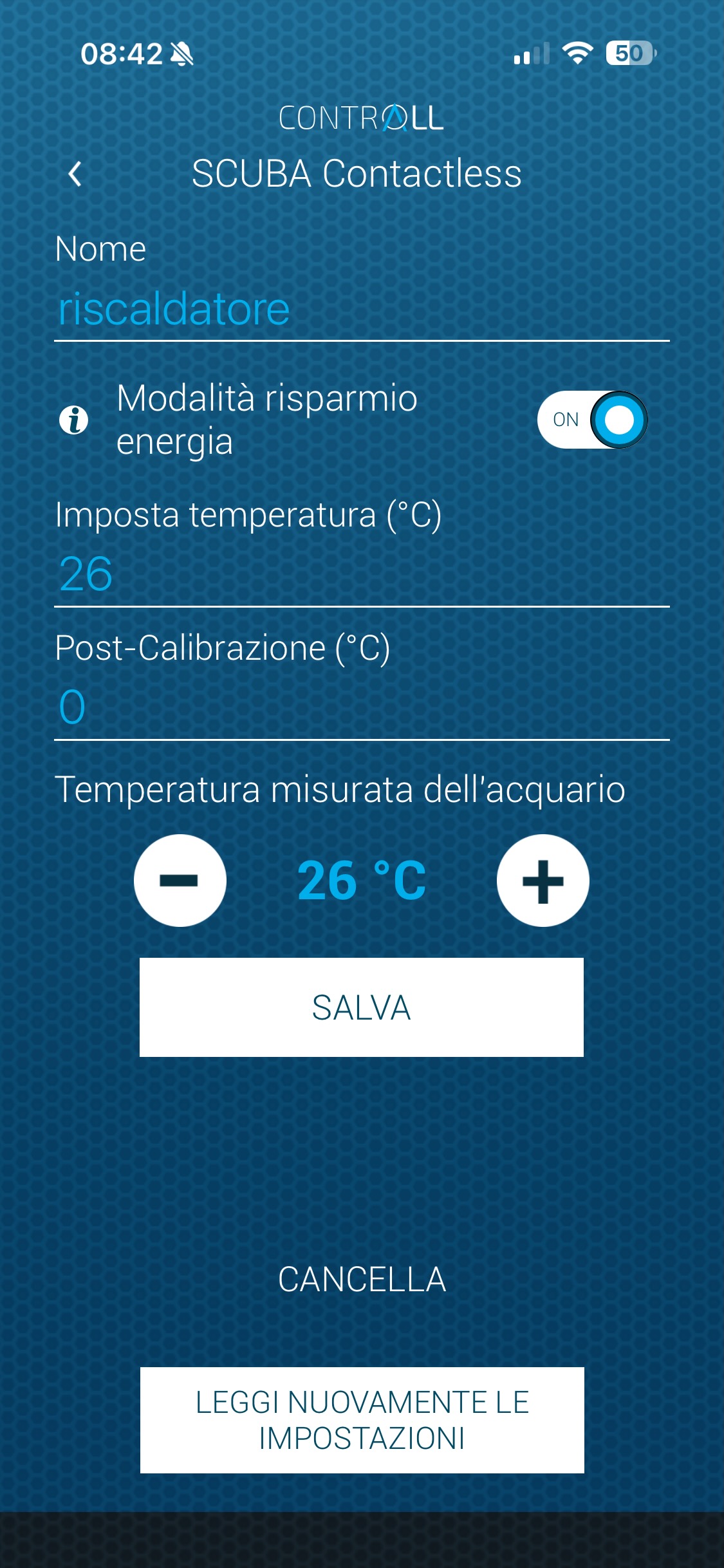
In practice, if our reference thermometer indicates a slightly different temperature from the heater reading, we can correct the value directly in the application. In this way the adjustment becomes extremely precise and perfectly adapted to the real conditions of the aquarium.
Intelligent power management: the real strength
But the real innovation of this heater is not just smartphone control. The most interesting feature is the intelligent power management.
Traditional heaters operate in a fully on/off mode. When the temperature drops below the set threshold the heater switches on at maximum power, heats the water to the desired temperature and then turns off. This system inevitably creates a “saw-tooth” pattern: the temperature rises quickly, the device turns off and then slowly drops again until the next activation.
The Sicce Scuba Contactless, instead, works in a much smarter way. When the difference between the set temperature and the real temperature is high, the heater runs at maximum power. As it approaches the target value the power is progressively reduced.
During our tests we measured around 113 watts when the heater was running at full power, while in maintenance mode the consumption dropped to about 56-58 watts. This behavior helps reduce temperature swings and maintain a much more stable water temperature over time.
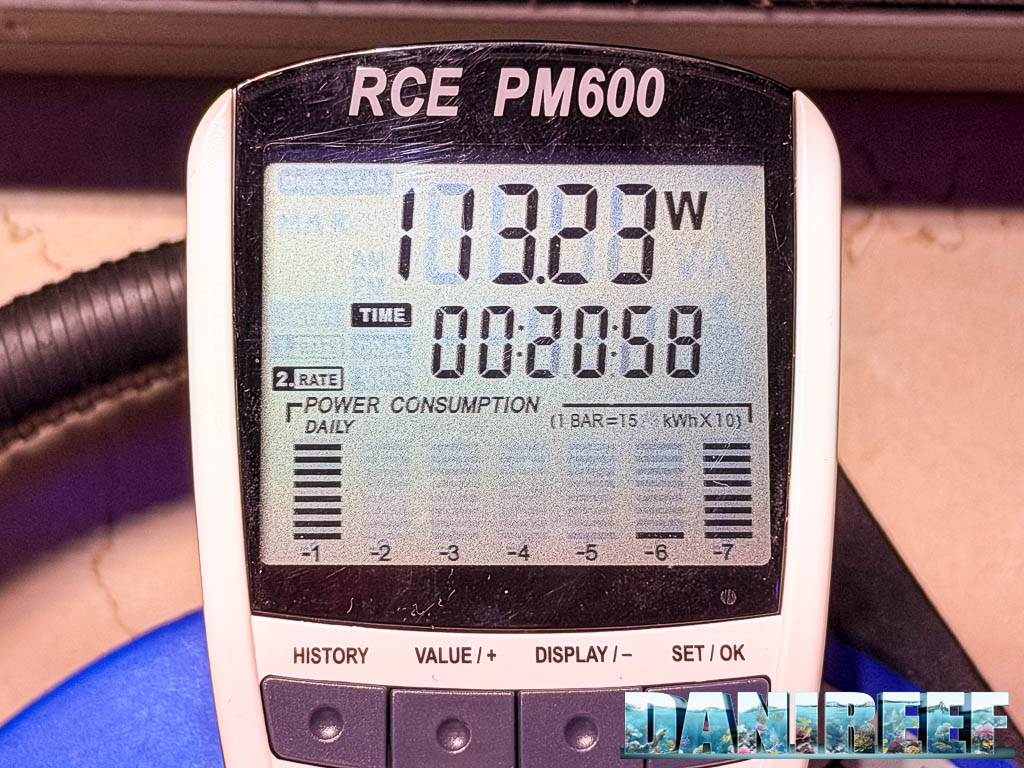
Instead of constantly switching on and off, the heater modulates its power to maintain a stable temperature. This means the water no longer heats abruptly. In other words, the device “slows down” as it approaches the target, maintaining constant heat over time with extremely small fluctuations. This modulated power consumption significantly reduces thermal swings — a real advantage for the health of corals and fish.
Installation and use in the aquarium
Installation is extremely simple. Once connected to power and submerged in water, the heater performs a short initial calibration phase that lasts a few minutes. During this stage the device analyzes the environmental conditions and verifies that it is actually submerged.
A small practical tip: to make smartphone configuration easier, it is better to place the heater in a location that can be easily reached with your phone. In marine aquariums it can therefore be useful to position it in the sump close to the glass, while in freshwater aquariums it can easily be installed inside the main tank.
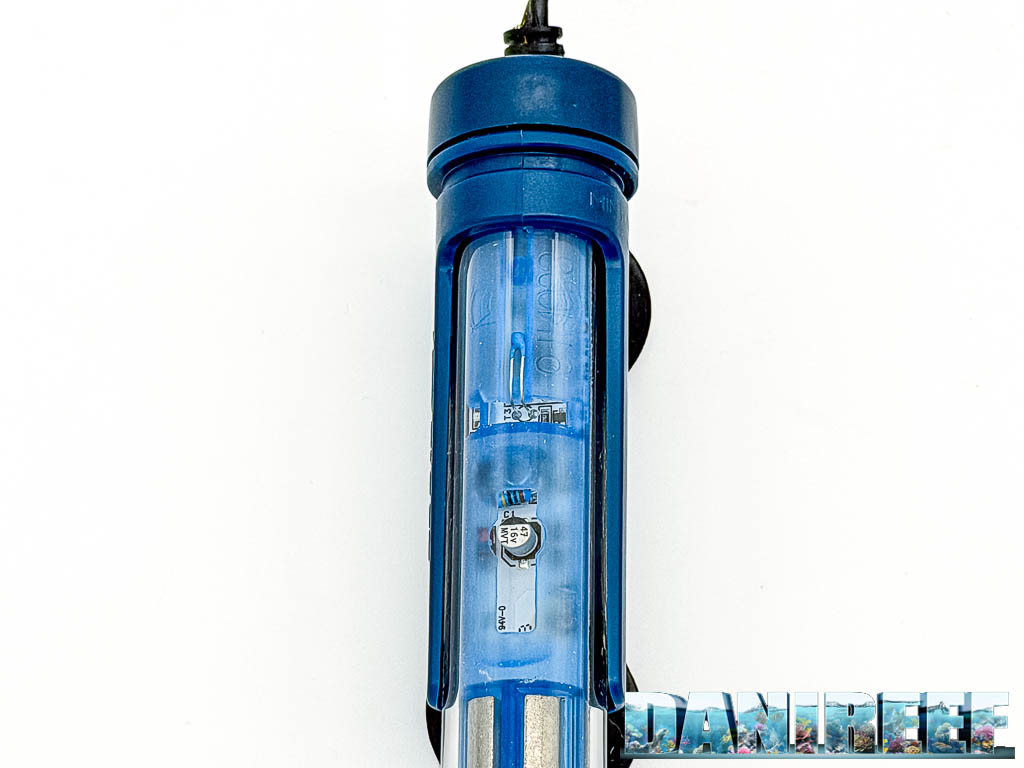
Once the temperature has been set, the heater works completely autonomously and does not require external controllers or other regulation systems.
Final thoughts
After about a month and a half of use in our aquarium we can say that the Sicce Scuba Contactless 100 watt convinced us. The absence of a dial eliminates one of the critical points of traditional heaters and the NFC control makes temperature adjustment extremely simple and precise.
But the most interesting aspect, in my opinion, remains power modulation, which allows the water temperature to remain much more stable than with traditional systems.
Remember: the best heater is not the one that heats the fastest, but the one that keeps the temperature the most stable!
The Sicce Scuba Contactless 100 watt impressed us because it truly brings aquarium technology into 2026. You don’t need an external controller — it does everything by itself. The absence of mechanical parts makes it extremely safe, while the intelligent power management places it a step above traditional competitors. It is a solid, precise product and above all Made in Italy.
The suggested retail price is 37 euros. Considering the technology, the safety provided and the post-calibration function, we believe the cost is not only reasonable but absolutely worth the upgrade. We liked it so much that although this 100W model will unfortunately have to be returned to Sicce, we will immediately buy a 250W version to replace the current heater in our main aquarium!
PRO
 Innovative NFC system;
No mechanical dial;
Intelligent power modulation;
High construction safety.
CONS
 Requires an NFC-enabled smartphone for configuration;
You must bring the phone close to the glass to change settings.

We thank Sicce for providing the Scuba Contactless 100-watt heater used exclusively for the purpose of this review and subsequently returned.
Scopri di più da DaniReef - Portale dedicato a Acquario Marino e Dolce
Abbonati per ricevere gli ultimi articoli inviati alla tua e-mail.