
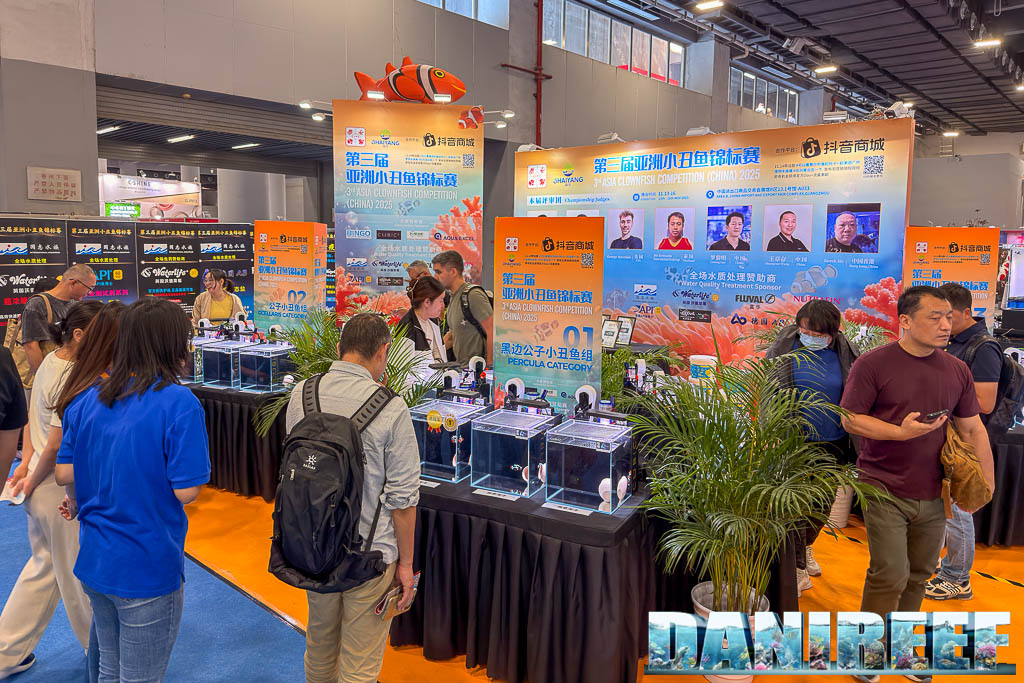
The 3rd Asia Clownfish Competition (China) 2025 represents a historic milestone for the China International Pet Show (CIPS): it is the first time that a competition of this level, dedicated exclusively to clownfish, has been organized within Asia’s most important aquarium trade fair.

It was not a simple display of rare or flashy specimens, but a true technical and cultural exchange, where selective breeding, genetics, aesthetics, and tank presentation merged into an event of the highest international profile.
As Official Media Partners, we had direct access to the competition area, allowing us to document not only the winners but the entire journey of the competition through detailed photos and a complete video reportage, which allows you to observe all the specimens in motion by following the dedicated chapters.
The video reportage: Clownfish in motion
Before entering into the details of the categories and winners, we recommend watching our video reportage from CIPS 2025.
At various points in the video, by following the chapter index, you can observe all the competing Clownfish swimming in their tanks, capturing their posture, behavior, confidence, and stage presence: fundamental elements that go beyond a single photograph.
Static images tell the story of form, but it is movement that truly reveals the quality of a competition fish.
In this article:
- The video reportage: Clownfish in motion
- The three official competition categories
- Percula Category: winners and gallery
- Ocellaris Category: winners and gallery
- Open Category: where the future of breeding is born (Recommended)
- The Jury: criteria and international members
- Conclusions and complete photo gallery
The Competition Categories
The competition was divided into three official categories, each with specific judging criteria:
- Percula Clownfish Group (Amphiprion percula)
- Ocellaris Clownfish Group (Amphiprion ocellaris)
- Hybrid / Wild / Open Group (hybrids / wild / open)
This division demonstrates how top-level breeders are now able to work on extremely refined genetic lines, maintaining precise and recognizable standards even among visually similar species.
Percula and Ocellaris: similar only in appearance
In common Western terminology, Amphiprion percula and Amphiprion ocellaris are often confused. In the competitive field, however, the distinction is clear and fundamental.
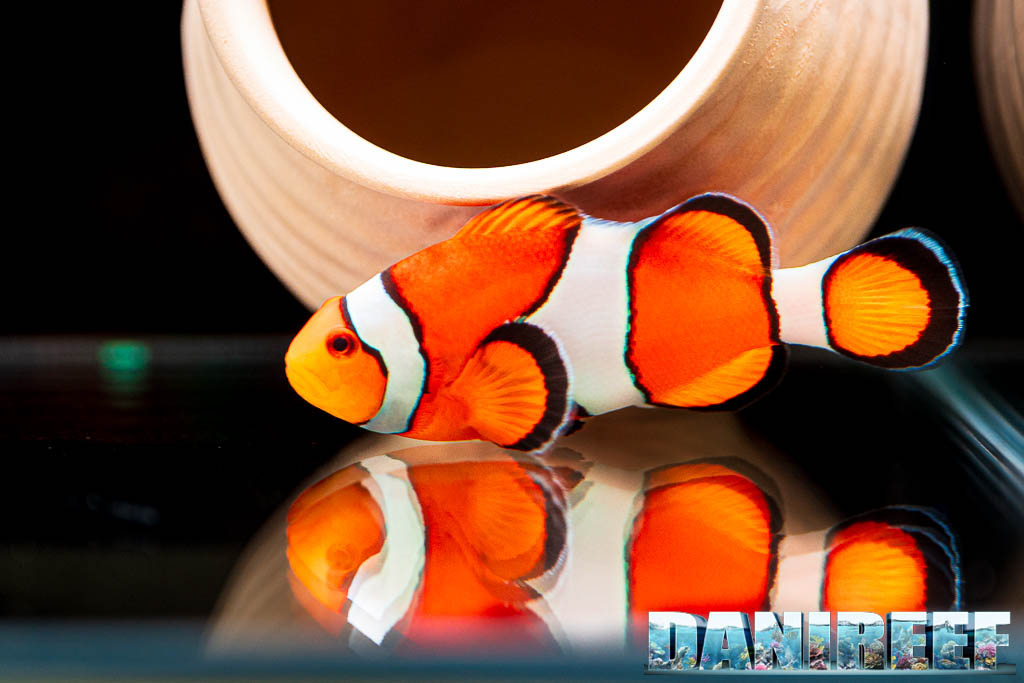
The percula (Amphiprion percula) is evaluated primarily for the quality and overall cleanliness of the “standard”: white bands that are denser and thicker, with sharp margins, a more marked chromatic contrast with black, and a livery capable of maintaining balance without “bleeding”. Added to this is a compact body structure, with harmonious proportions, and fin continuity, which helps give the fish a uniform and “solid” profile. Finally, in competition, tank posture matters greatly: stance, stability, and swimming control are details that, together with aesthetics, truly make the difference.
The ocellaris (Amphiprion ocellaris), while belonging to the same genus, follows different criteria for shape, contrast, and band distribution.
Separating the categories means respecting the genetics and selective history of each line, an approach typical of the most advanced Asian aquaristic culture.
Percula Category – classic elegance and modern interpretation
The winner of the Percula Category
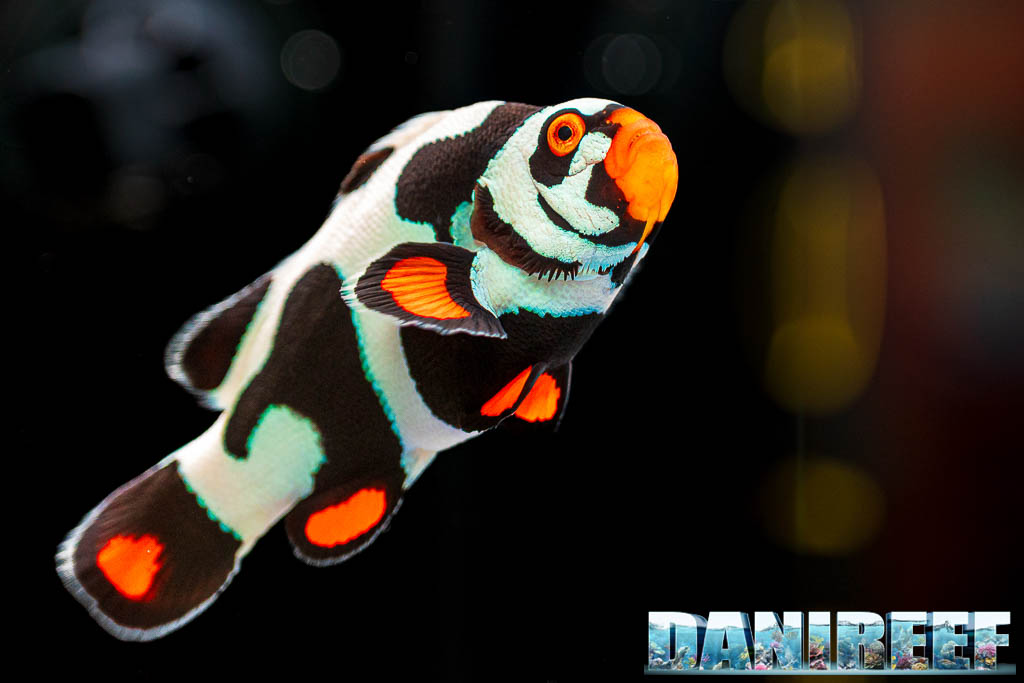
The winning specimen of the percula category (Amphiprion percula) represents an extremely refined reading of the classic standard, interpreted, however, with a modern sensibility. The first impression is that of a clownfish balanced in every part, with a harmonious body structure, clean symmetry, and a presence in the tank that conveys solidity and maturity.
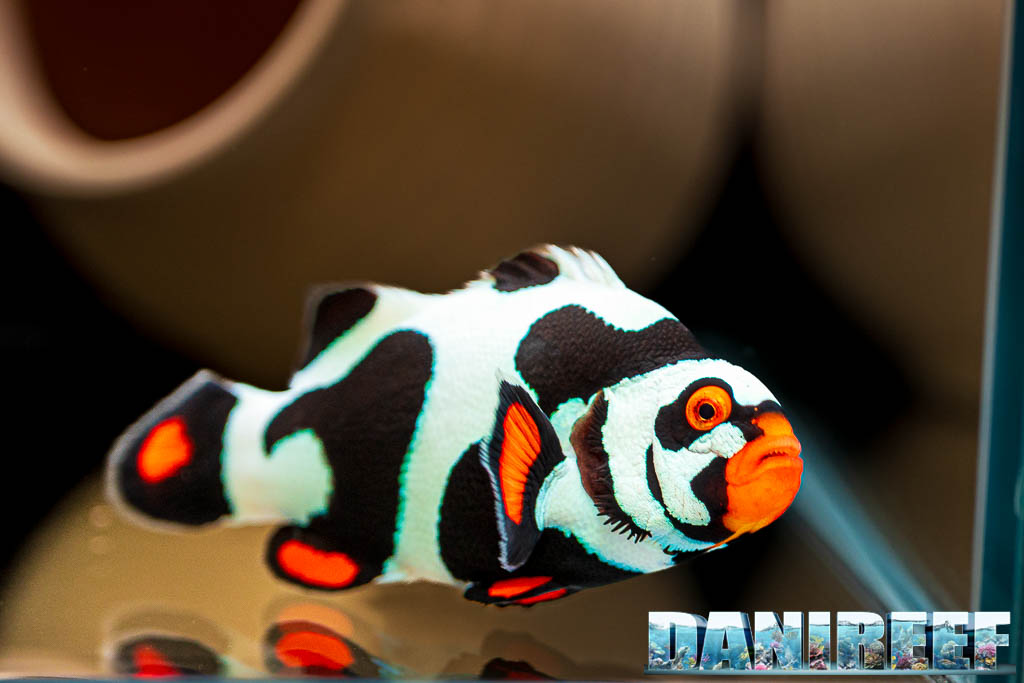
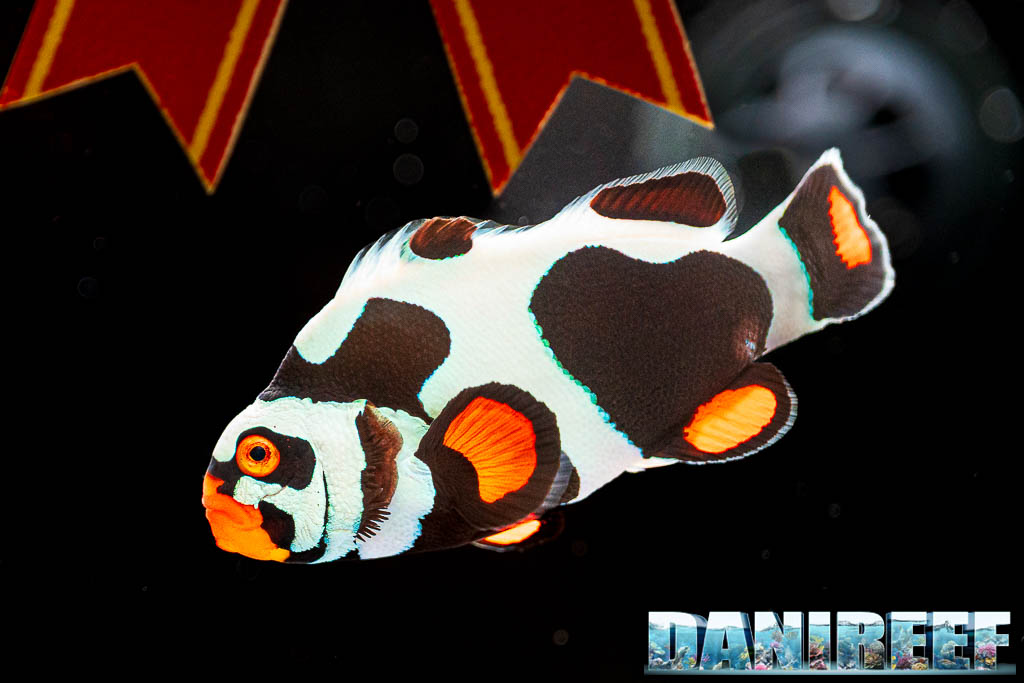
The livery is intense, well-contrasted, with sharp margins and a chromatic distribution that enhances the profile without excess. It is a percula that convinces not through aesthetic affectations, but through overall coherence, a quality the jury clearly recognized as a distinctive element.
In the CIPS 2025 video reportage, it is possible to observe this specimen in motion, appreciating its natural posture and swimming fluidity, fundamental aspects in the final evaluation.
Third place – character, presence, and identity
The third-place winner in the percula category (Amphiprion percula) stands out for a well-defined personality and a reading of the standard that focuses on stage presence and character. The structure is compact, with well-developed fins and overall proportions that immediately convey a sense of stability.
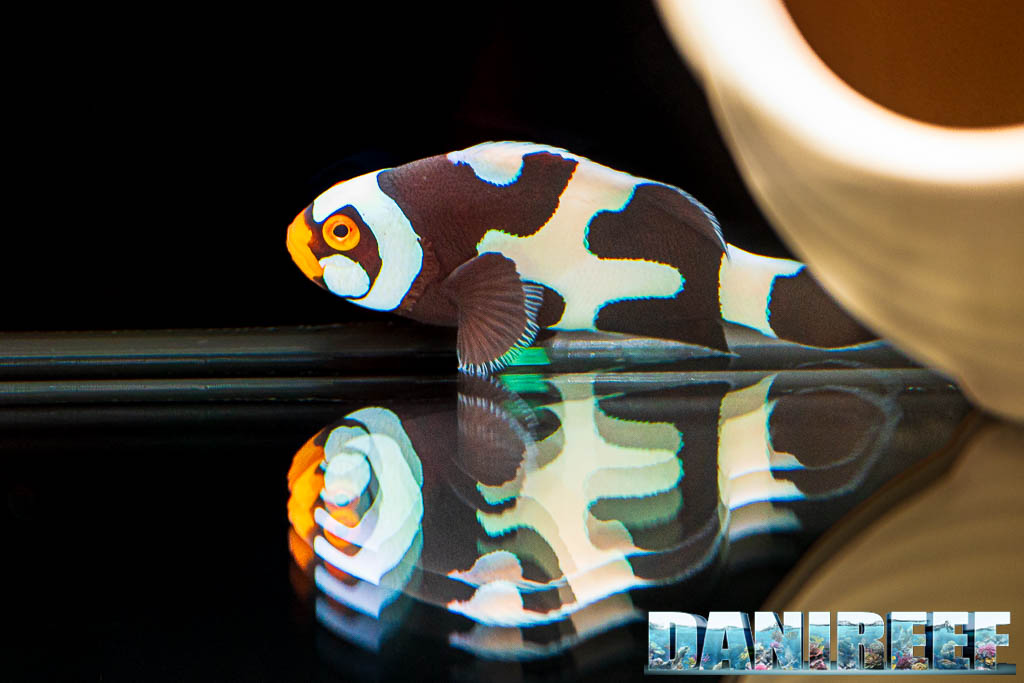
The coloration, while remaining within traditional canons, shows very careful management of contrasts and good overall uniformity. A specimen that does not seek an immediate “wow” effect, but builds its value on technical solidity and aesthetic continuity.
High-level percula: when the podium is not enough to tell the story
In this edition of the 3rd Asia Clownfish Competition, the percula category (Amphiprion percula) highlighted an extremely high average level. Not all awarded specimens were present in the tank at the time of our reportage, but this did not prevent us from capturing the widespread quality of the subjects in the competition.
In the following gallery, some of the most representative specimens seen during the competition, chosen to narrate the technical and stylistic depth of this category.
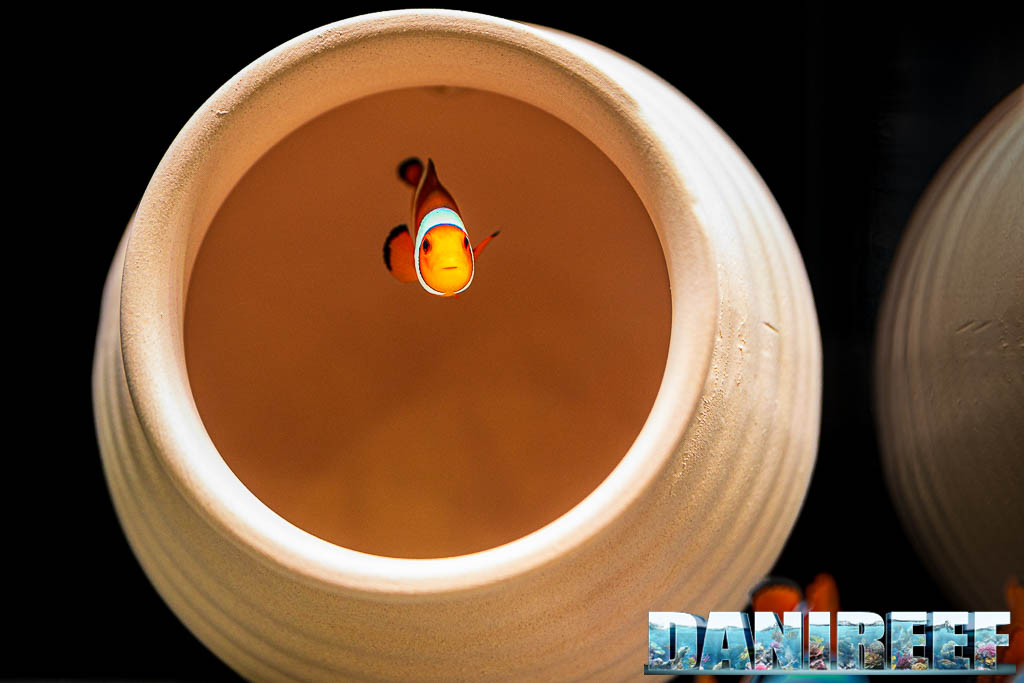
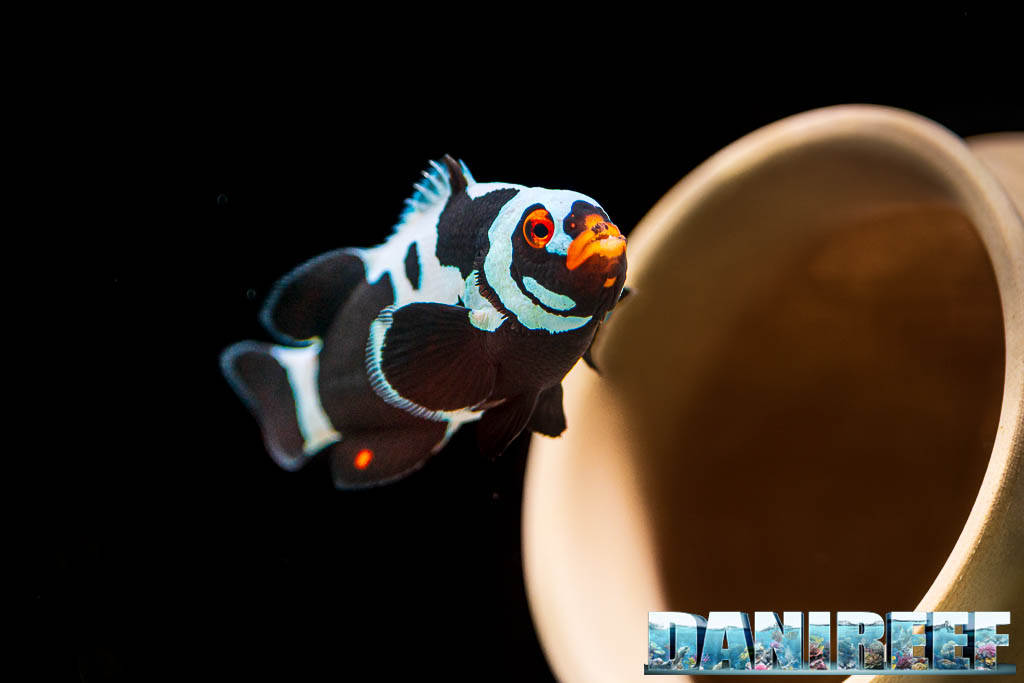
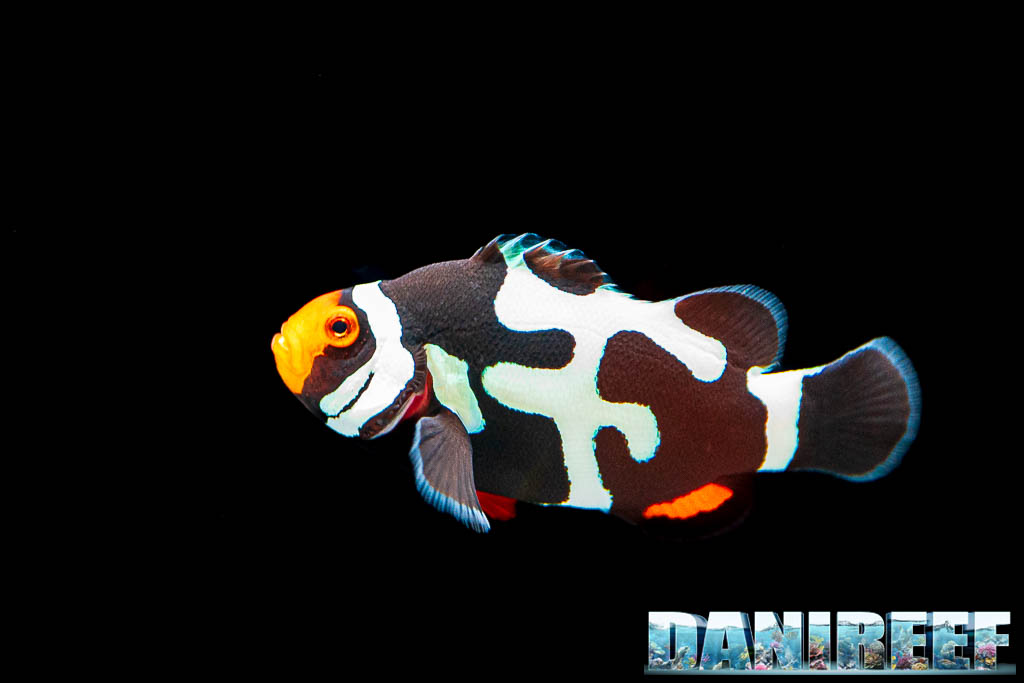
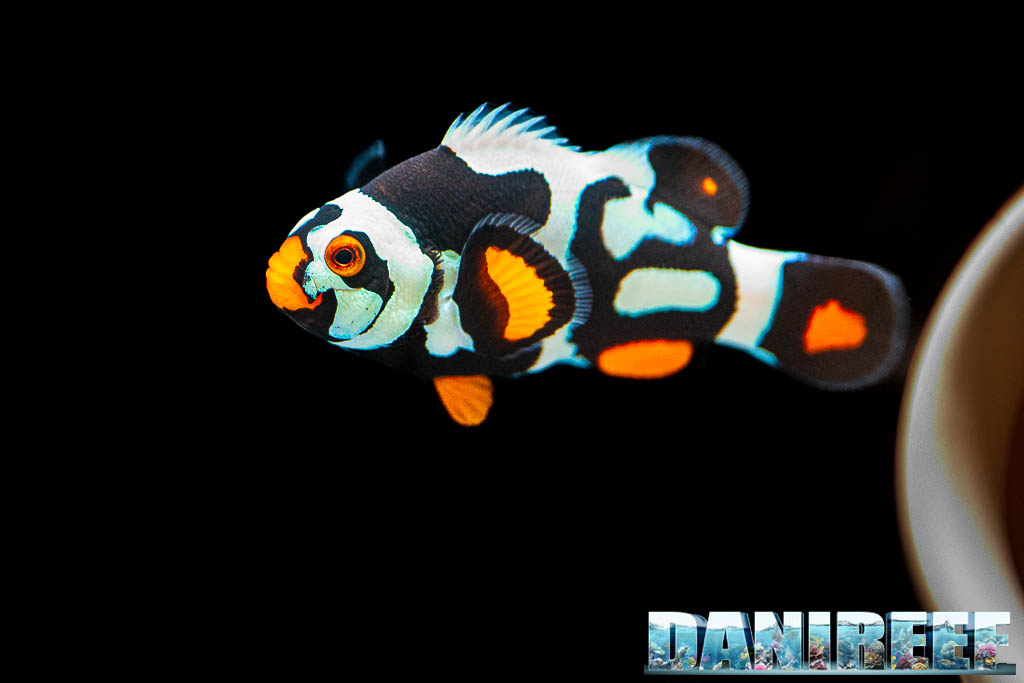
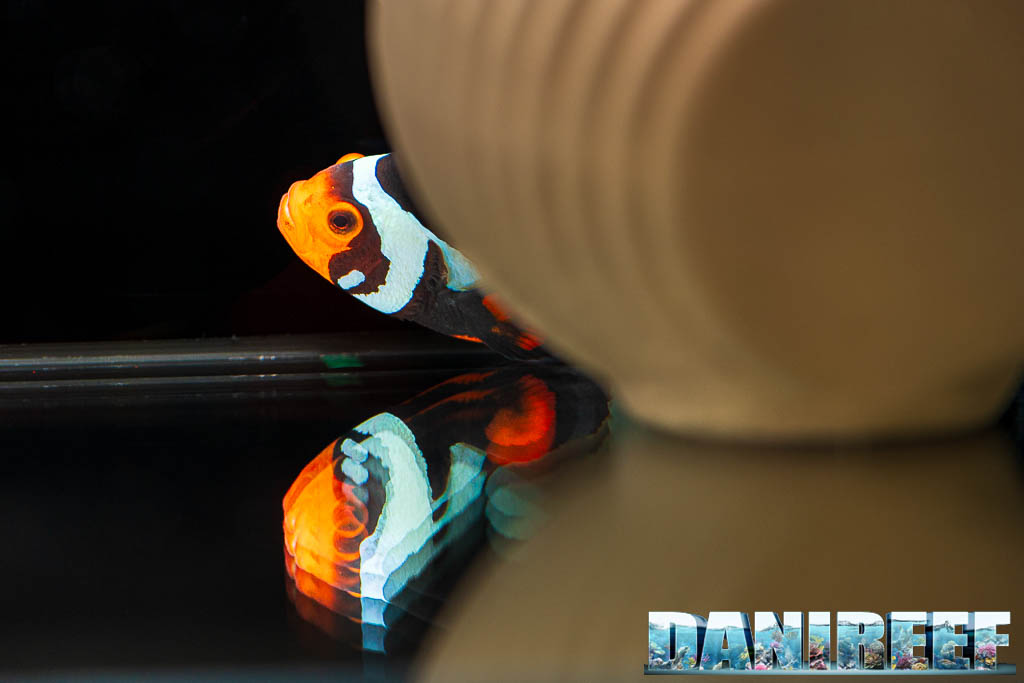
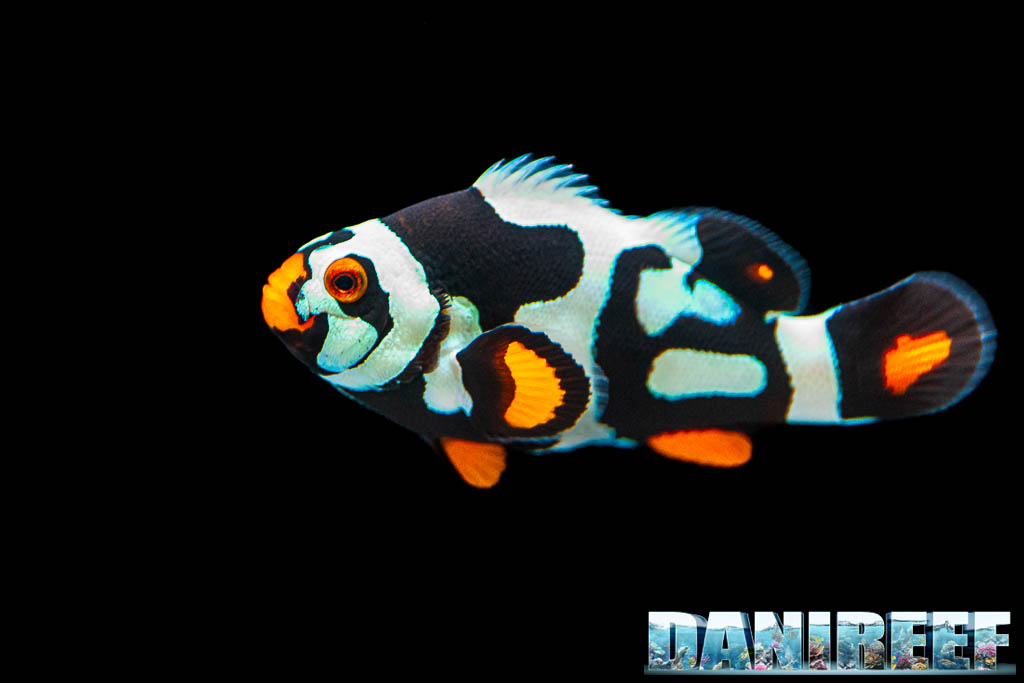
The percula observed showed great attention to morphology, clean patterns, and proportion management, confirming how even the most classic varieties can still express extremely high competitiveness, if supported by coherent genetic selection and long-term vision.
The winner of the Ocellaris Category
Ocellaris Clownfish Group – 1st place
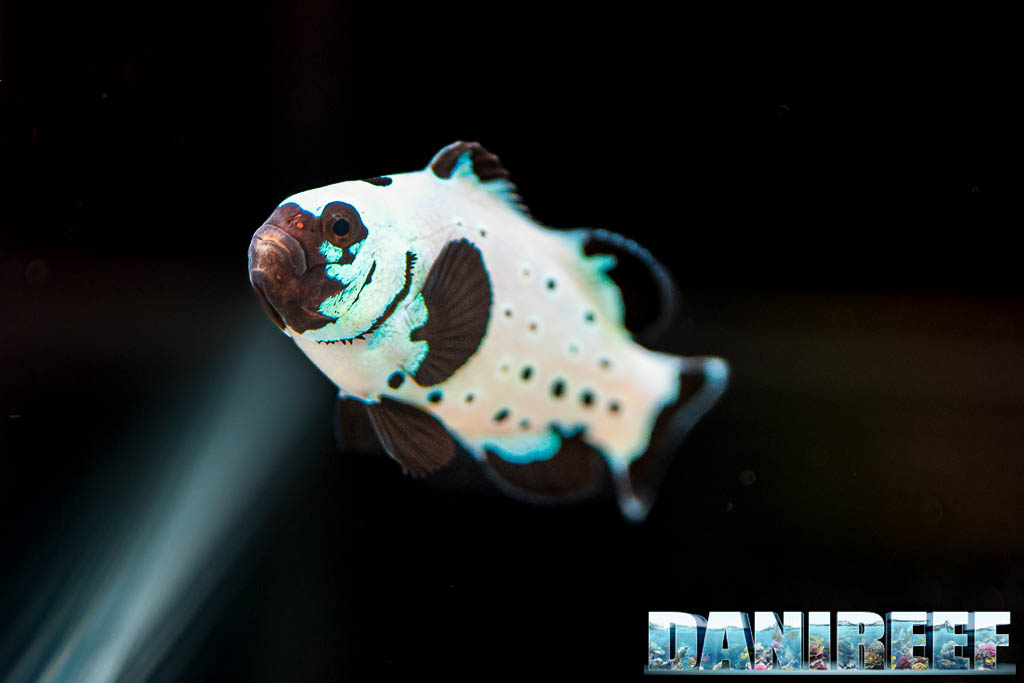
The winning specimen of the ocellaris category (Amphiprion ocellaris) exemplarily embodies the standard required by the competition.
Immediately striking is the absence of bands, in whose place we find spots, the depth of the colors, the overall body symmetry, and a tank posture that conveys control and confidence.
It is not just an aesthetically impeccable fish, but the result of years of consistent selection, where every detail – from morphology to behavioral response – has been carefully curated.
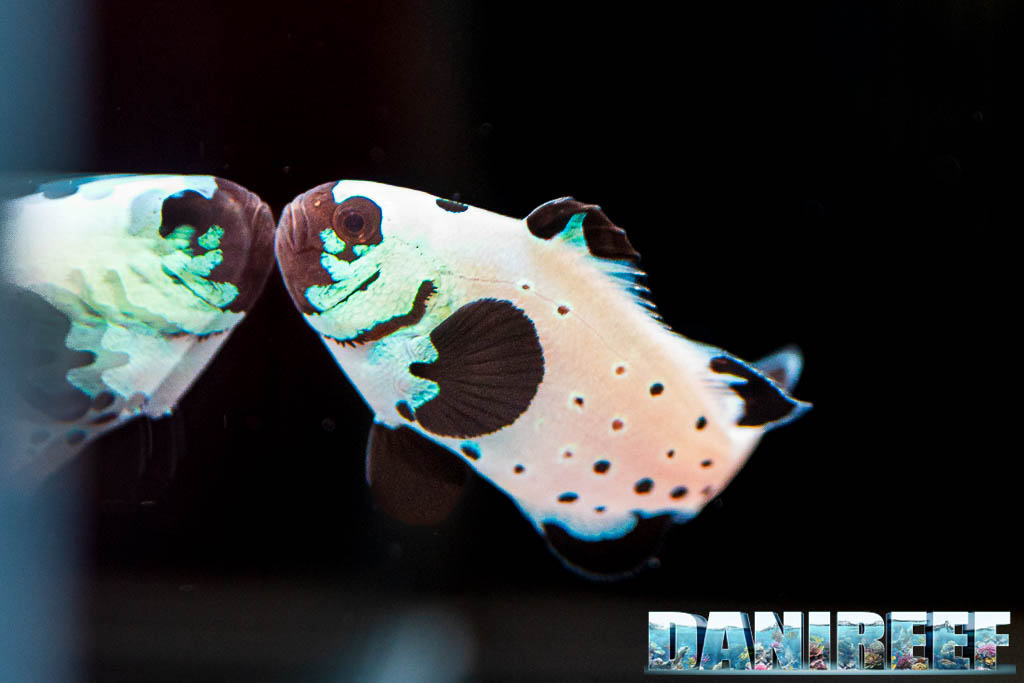
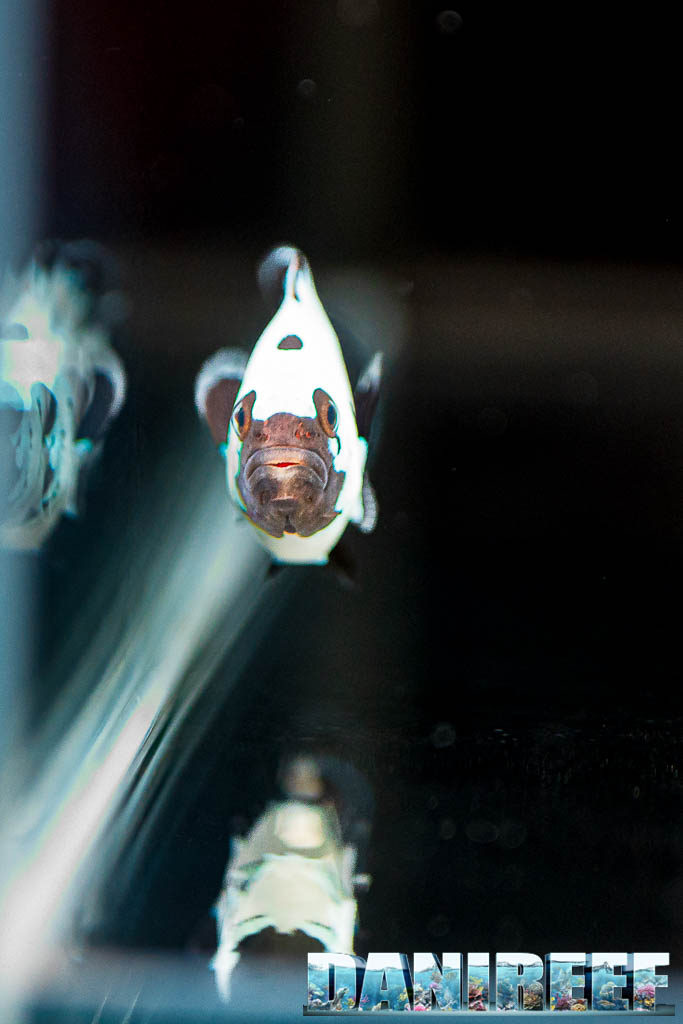
In the video reportage, it is possible to observe this specimen swimming alongside the other finalists, further highlighting the qualities that led the jury to award it.
Second place – excellence at the highest level
The second-place winner of the ocellaris category (Amphiprion ocellaris) represents an example of top-level breeding, capable of competing to the end with the winner in an extremely selective category. The body structure is solid and well-proportioned, with a very balanced overall symmetry and an immediate reading of the profile. The extremely developed fins give a particularly valuable and unique connotation to this ocellaris.
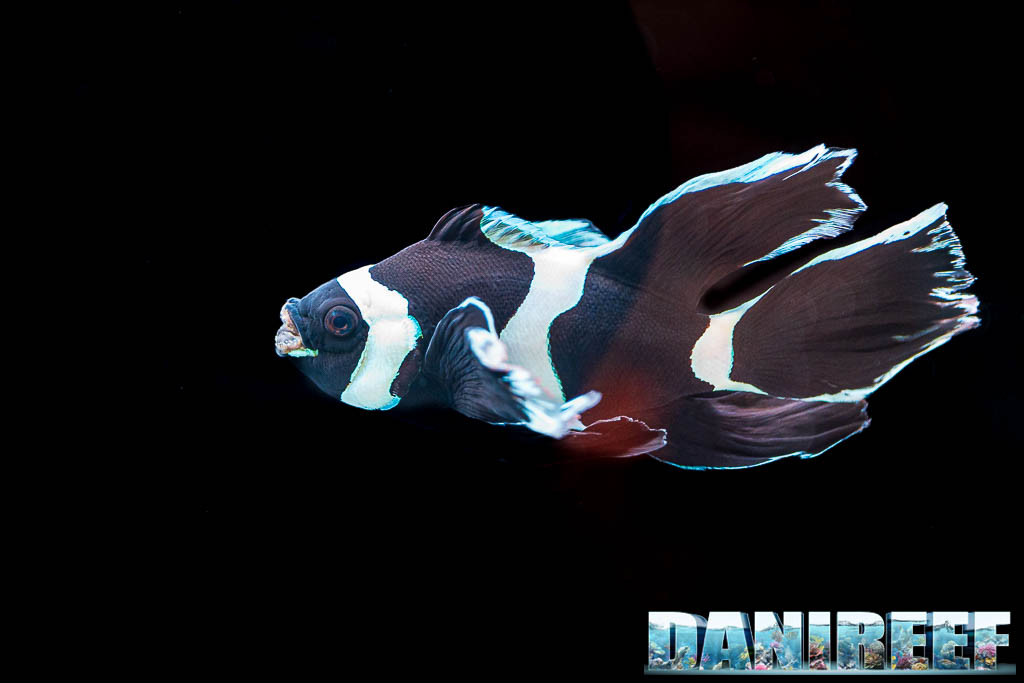
The coloration appears intense and clean, with sharp margins and a well-controlled contrast, a sign of careful and mature genetic management. A specimen that perfectly embodies the modern standard of the competition ocellaris and which, in a context of a slightly different level, could have easily aimed for the top step of the podium.
Third place – consistency, cleanliness, and aesthetic maturity
The third-place winner of the ocellaris category (Amphiprion ocellaris) is distinguished by a more sober but extremely consistent reading of the reference standard. The animal strikes for the general cleanliness of the livery, the good proportion between body and fins, and an elegant and composed tank presence.
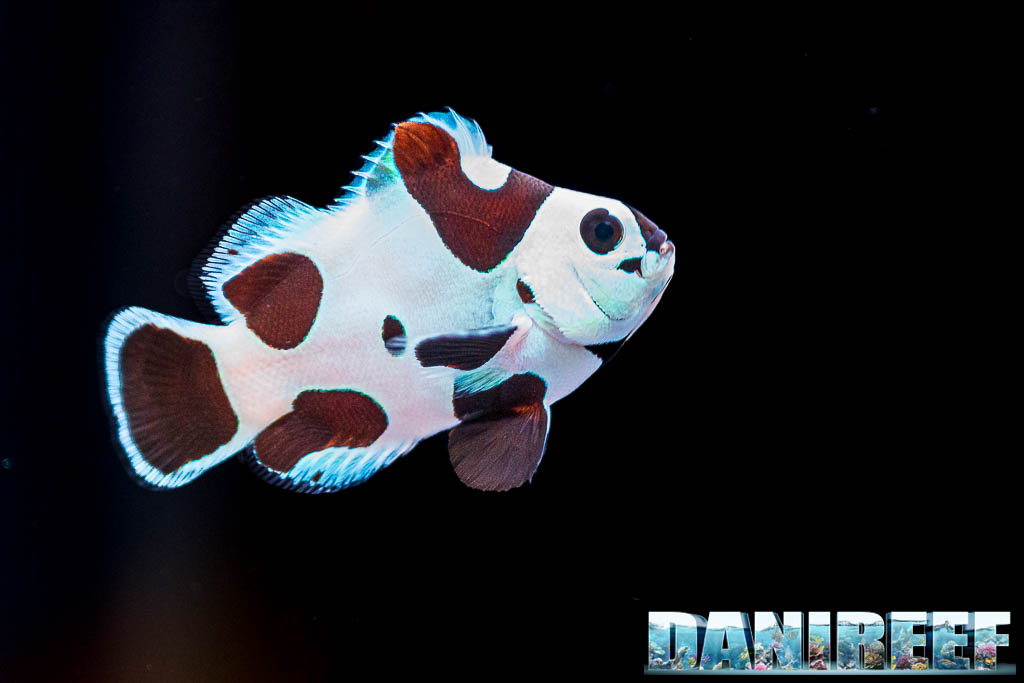
The chromatic choice and pattern distribution show remarkable aesthetic maturity, rewarded by the jury for balance and visual continuity. An ocellaris that does not point on excess, but on the overall quality of the whole, demonstrating how even more classic interpretations can be highly competitive in an international context of this level.
Top-level ocellaris even outside the podium
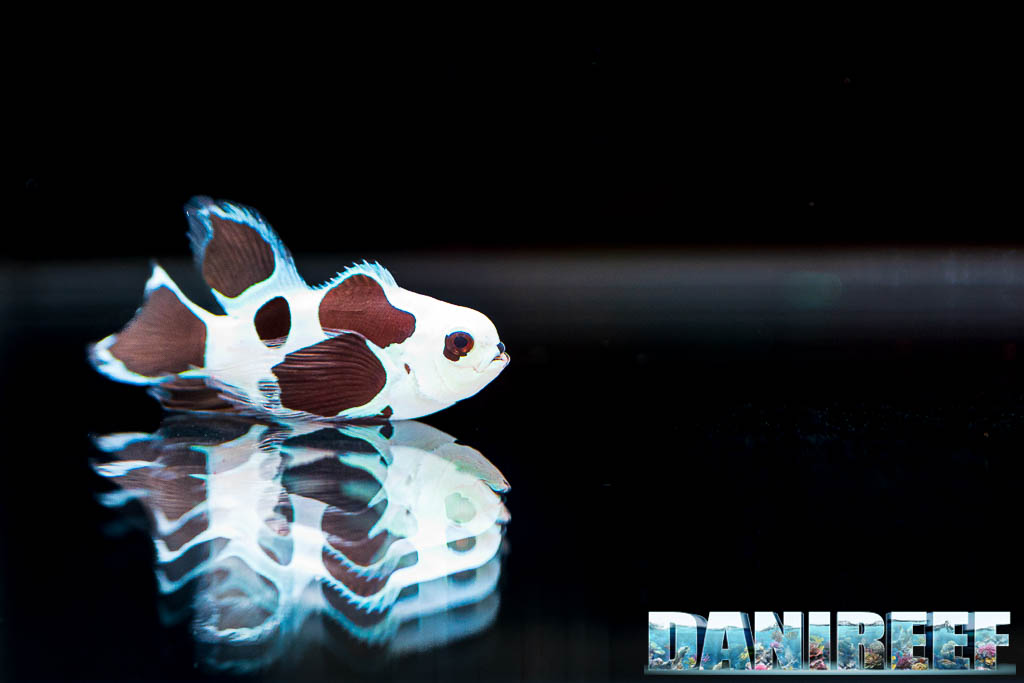
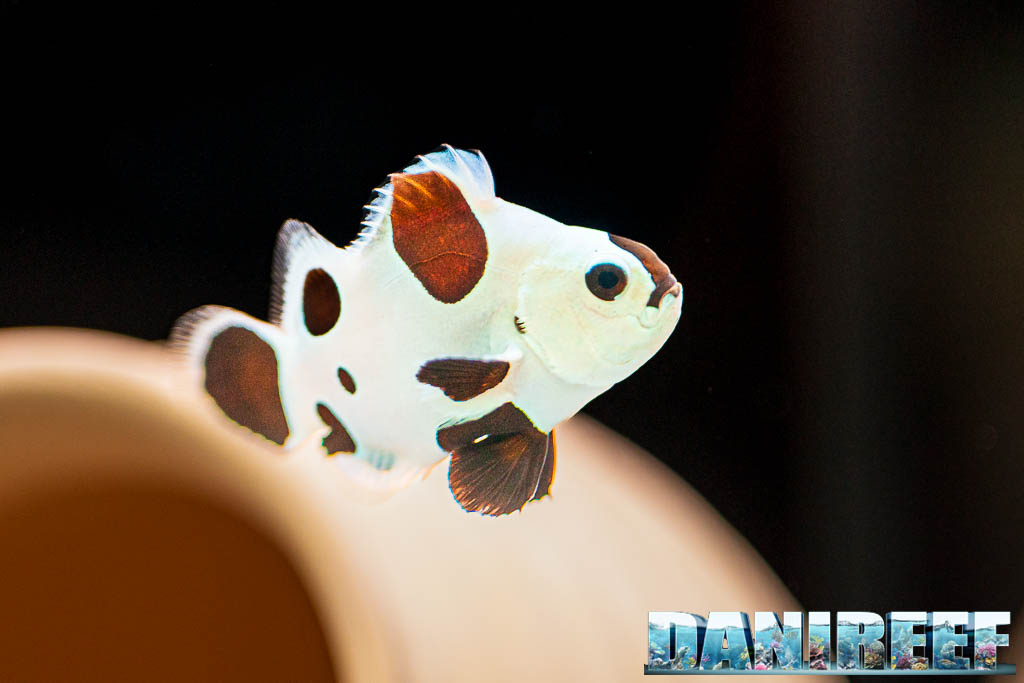
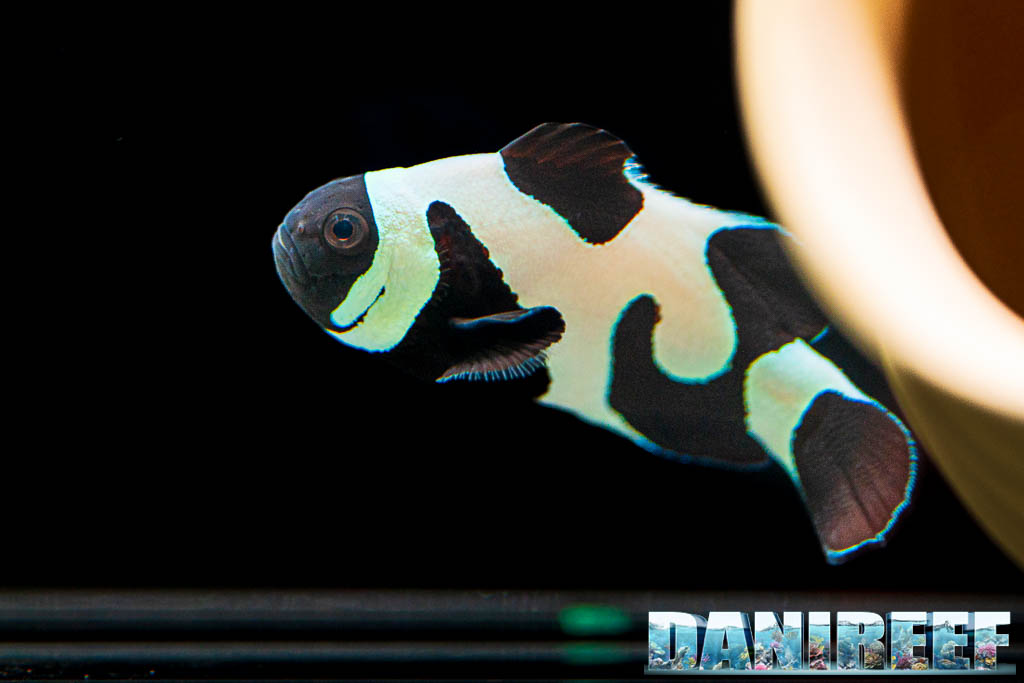
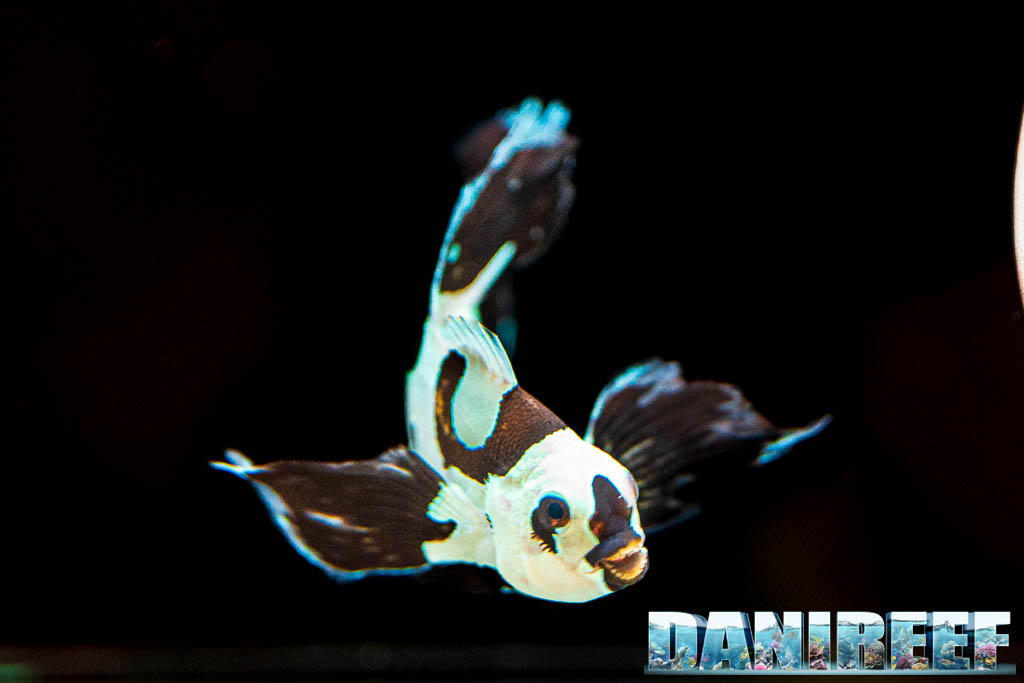
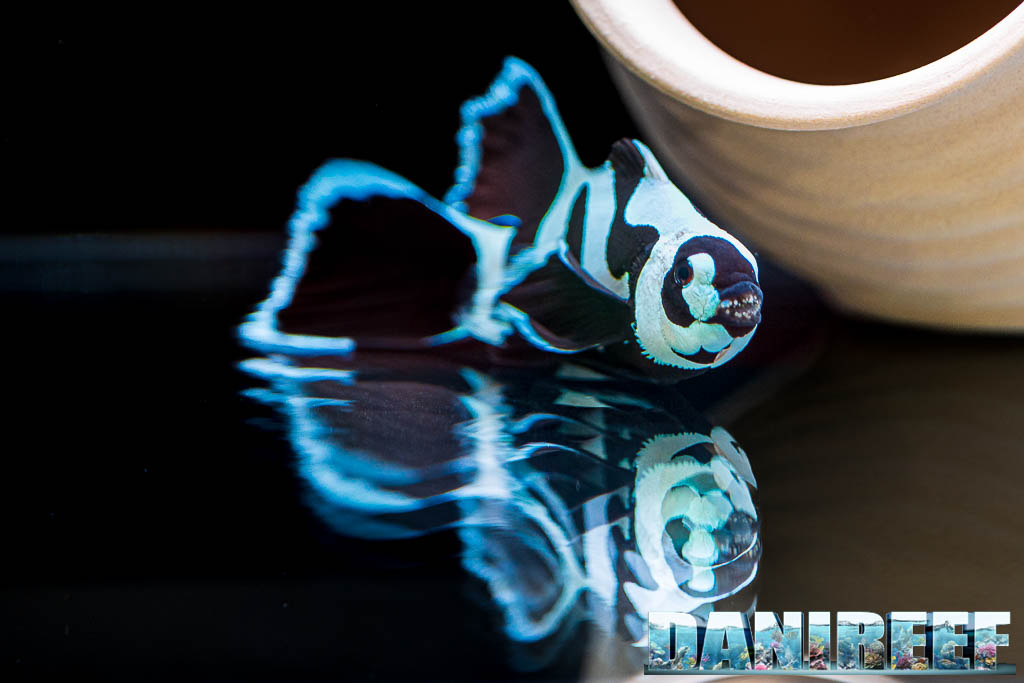
Limiting to the top tre would be reductive. The Ocellaris category of the 3rd Asia Clownfish Competition showed an impressive technical depth: specimens with almost perfect symmetry, extreme chromatic contrasts, and morphological standards that, until a few years ago, we would have considered exceptional.
In the following gallery, some of the other protagonists of this category, as a demonstration of how much the average level was extraordinarily high.
Open Category: where breeding becomes research
Open / Hybrid / Wild Group – genetic freedom and vision
The Open category of the 3rd Asia Clownfish Competition is, without a doubt, the most representative of the current state of high-level Asian breeding.
Here there are no rigid boundaries of species or varieties: the Open is the space in which controlled hybridization, extreme selection, and personal aesthetic interpretation coexist in the same competitive context.
It is the category in which breeders do not seek to “replicate a standard”, but to move it further forward, working on:
- unconventional patterns
- unprecedented chromatic relationships
- balance between form, color, and behavior
Not surprisingly, it is also the section that requires the jury the greatest ability for overall reading of the animal.
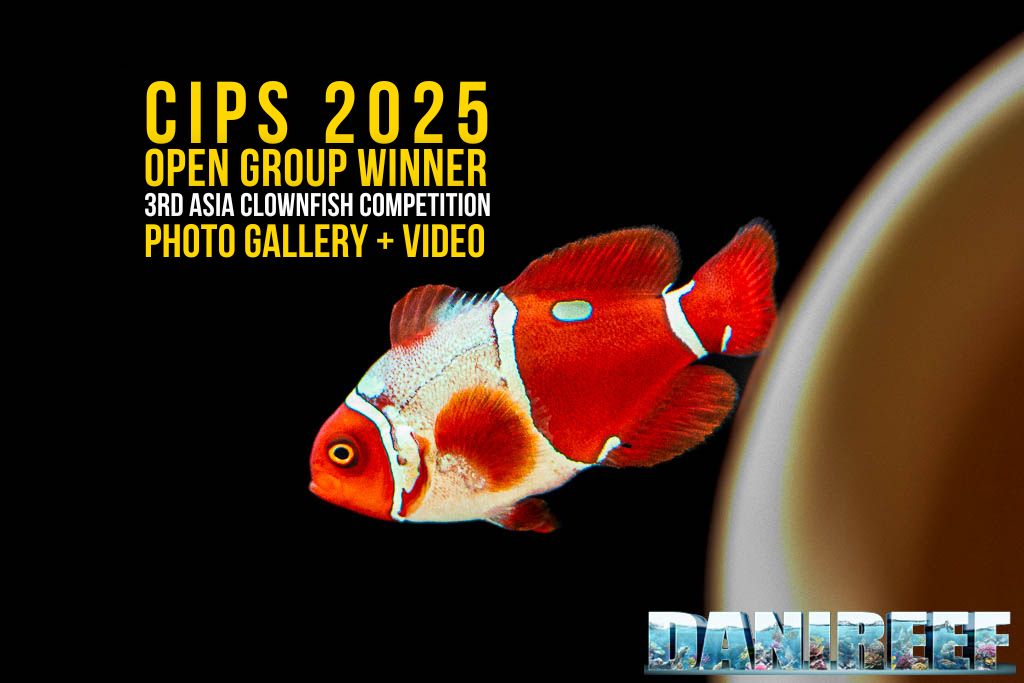
The winner of the Open Category
Winner of the Open Category – interpreting the future
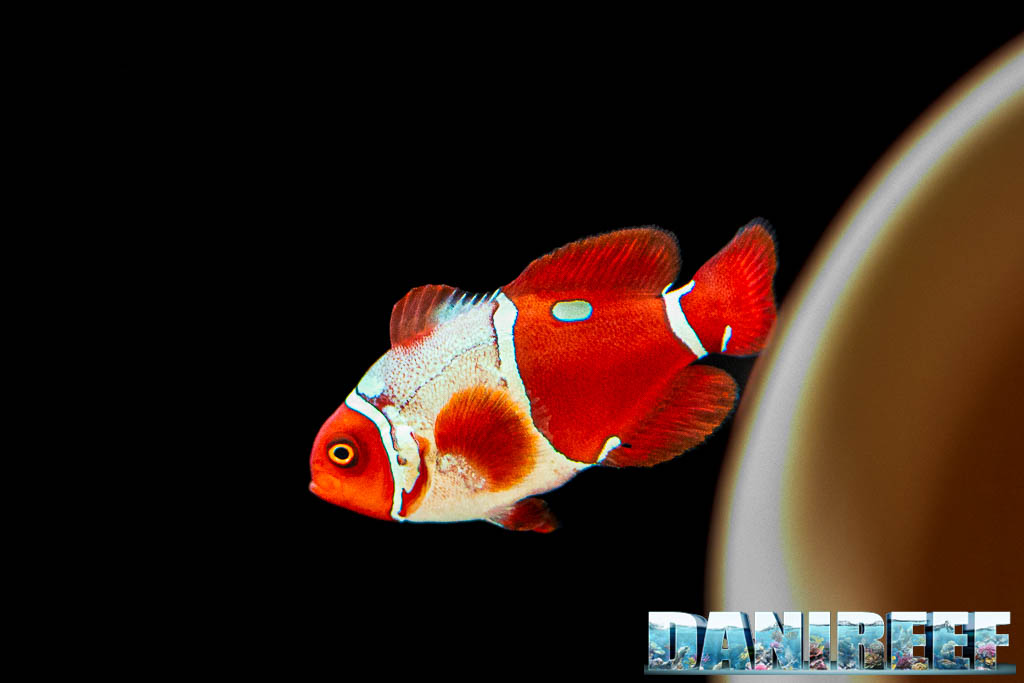
The specimen awarded as 1st place in the Open category exemplarily represents the philosophy of this section: it does not strike for excess, but for genetic consistency, visual balance, and design maturity.
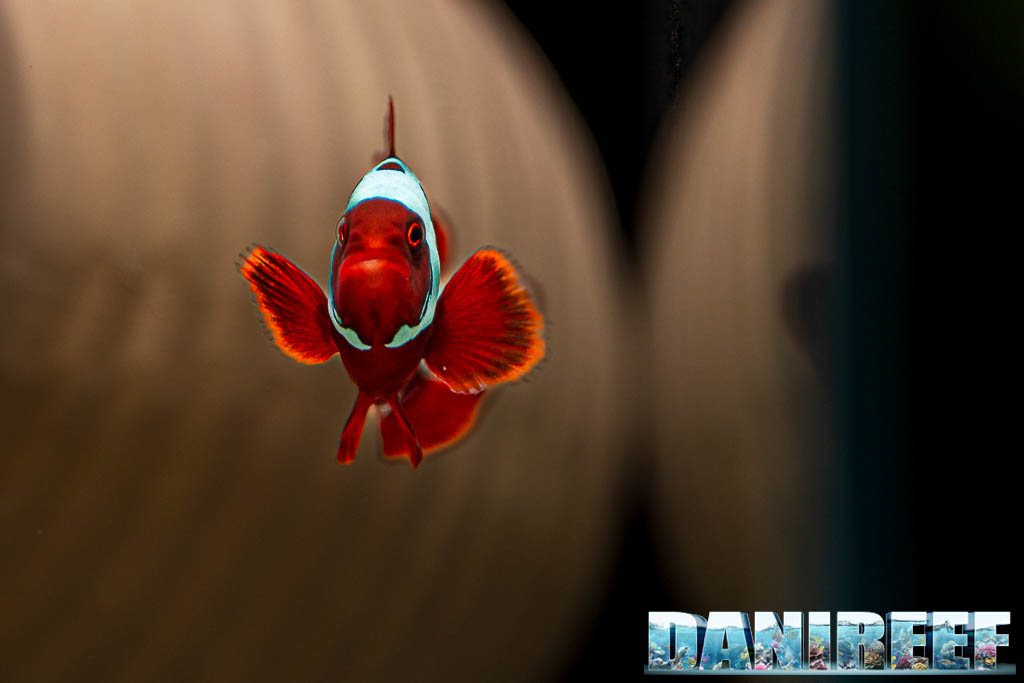
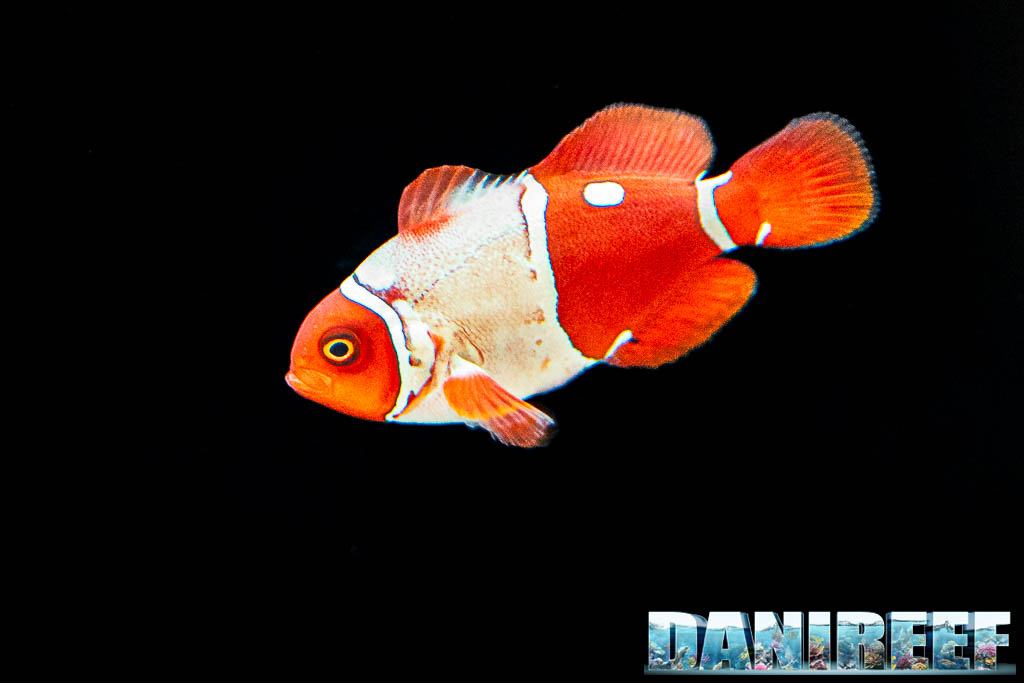
The pattern breaks classic schemes, but it does so with clear logic; the coloration is intense but never messy; the body structure remains solid and legible, a sign that behind the aesthetics there is long-term selection work and not a simple isolated mutation.
In the video reportage, it is possible to observe this specimen swimming together with the other finalists of the category, showing a presence in the tank that convinced the jury for its completeness and overall vision.
Other specimens of the Open category
In the Open category, not all specimens always remain on display until the end of the event: some are sold or transferred, others withdrawn by breeders immediately after the award ceremony. For this reason, rather than focusing exclusively on a complete podium, it is correct to speak of a group of awarded specimens that best represented the spirit of the category.
The other subjects selected by the jury stand out for:
- controlled genetic experimentation
- strong visual identity
- balance between innovation and morphological stability
And they demonstrate how the Open category is not a “derogation from standards”, but the place where new standards are born.
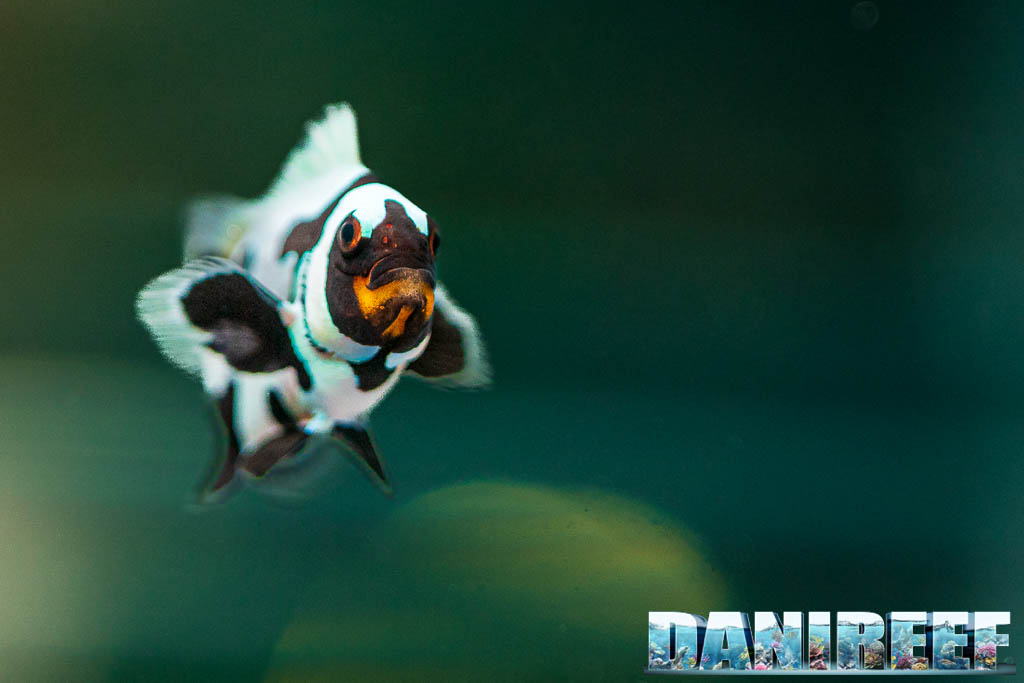
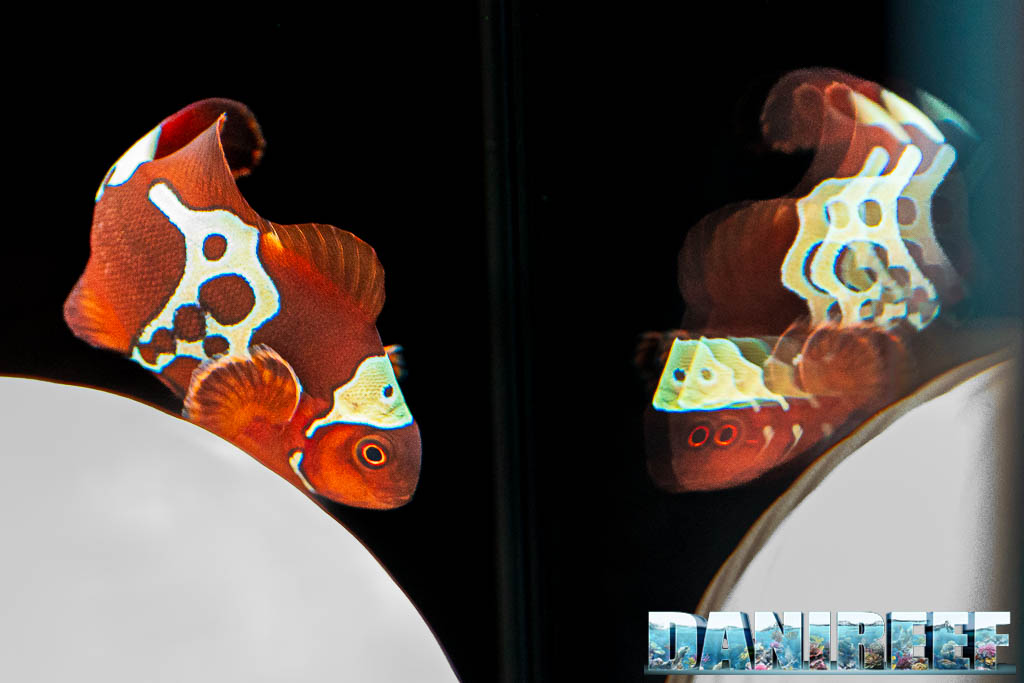
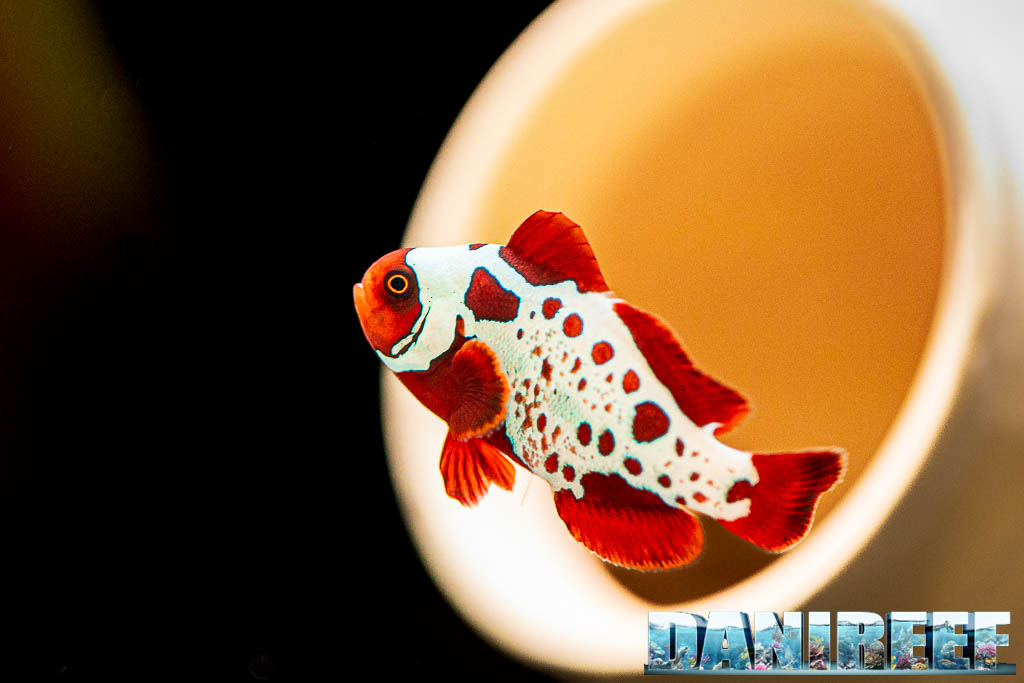
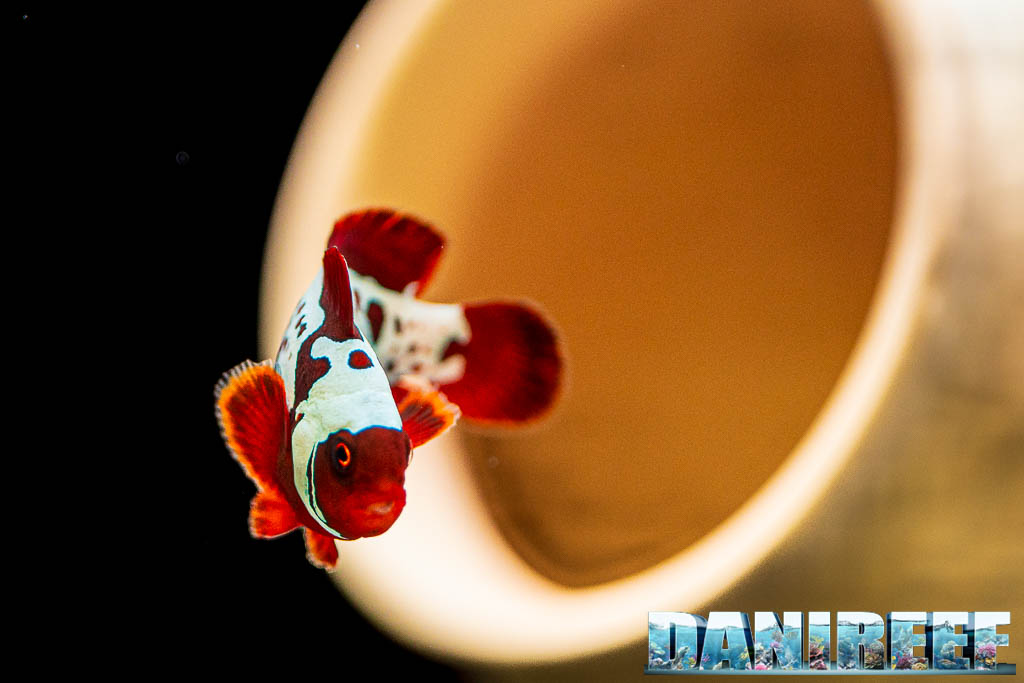
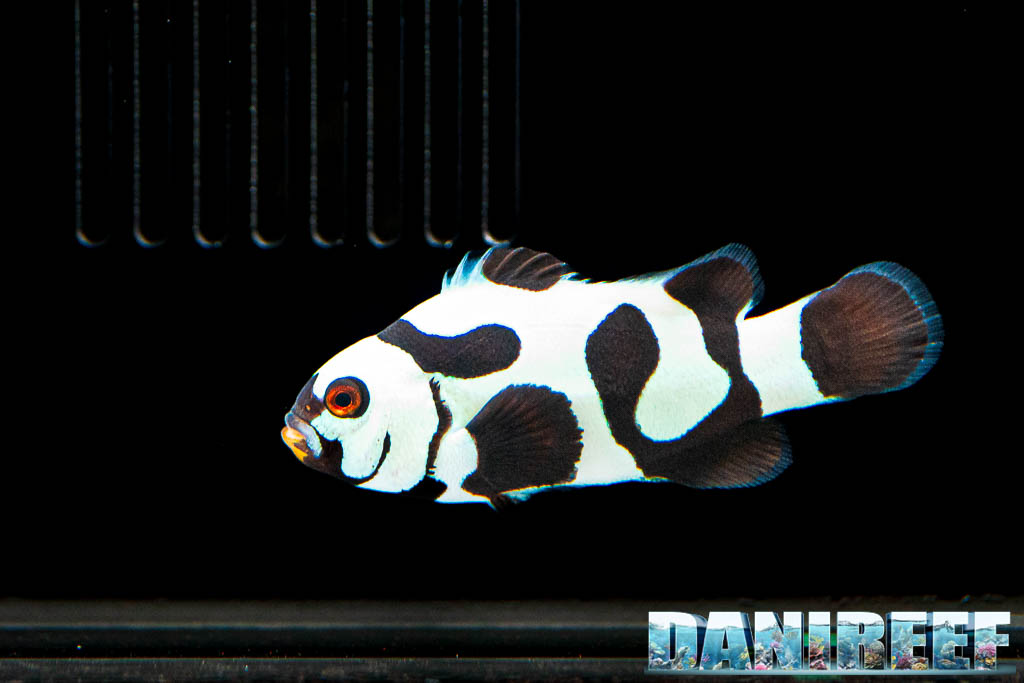
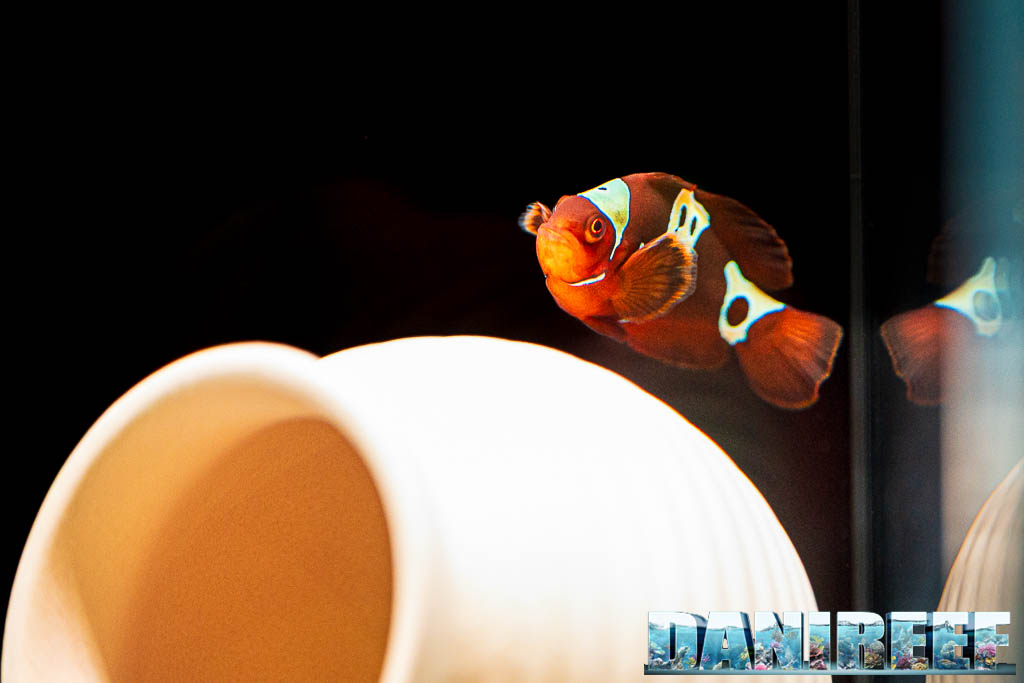
In the gallery you have just seen, a selection of some of the most interesting specimens seen in the Open category, chosen not by position in the ranking, but by quality, originality, and evolutionary potential.
The Open category of CIPS 2025 gives us a clear message: modern breeding is no longer just perfection of what exists, but the ability to imagine what will come.
And it is precisely from here that, most likely, the morphs and lines that will become references also in the most traditional contests in a few years will be born.
The jury: international expertise at the service of the standard
One of the elements that confer further authority on this first edition is the composition of the international jury, called to evaluate the clownfish according to rigorous and multidimensional criteria.
Evaluation criteria
The jury judged the specimens based on:
- general state of health
- color performance
- morphological symmetry
- rarity of the line
- overall effect of presentation in the tank
Jury members
Ken Kwan – Singapore
Senior curator of public aquariums, specialized in the design and construction of large exhibition structures. He boasts long experience in creating complex ecosystems, optimizing displays, and managing rare aquatic species.
Liam – Taiwan, China
Manager of the STB Clownfish brand and reference breeder in the sector. He is known for the development of selected varieties and for supplying rare and exclusive Clownfish to the international market.
George Mavrakis – United States
Influencer and aquatic communicator with over a million followers, founder of the Aquashella Exhibition. A key figure in the communication of modern aquaristics, capable of combining technical expertise and high-level dissemination.
A first edition that marks a new standard
Bringing a Clownfish competition of this level inside CIPS for the first time means officially recognizing the central role that selective marine breeding plays in Asia today.
It is not just an aesthetic or commercial matter: it is aquarium culture, long-term vision, and deep respect for the genetics and presentation of animals.
For us at DaniReef, being present as official Media Partners of this historic first edition was a privilege and a responsibility.
We suggest you read our editorial dedicated to the fair: there you will find links to all the articles we published about the booths, or watch our video documentary, which tells the story of this splendid edition of CIPS.
 This article has also been featured on reefs.com, one of the leading international reefkeeping portals.
👇 Do you want to discuss this beautiful clownfish championship? We’ll talk about it on the forum, in the comments below, or on our social media: Telegram, Instagram, Facebook, Twitter, and YouTube.
Scopri di più da DaniReef - Portale dedicato a Acquario Marino e Dolce
Abbonati per ricevere gli ultimi articoli inviati alla tua e-mail.