
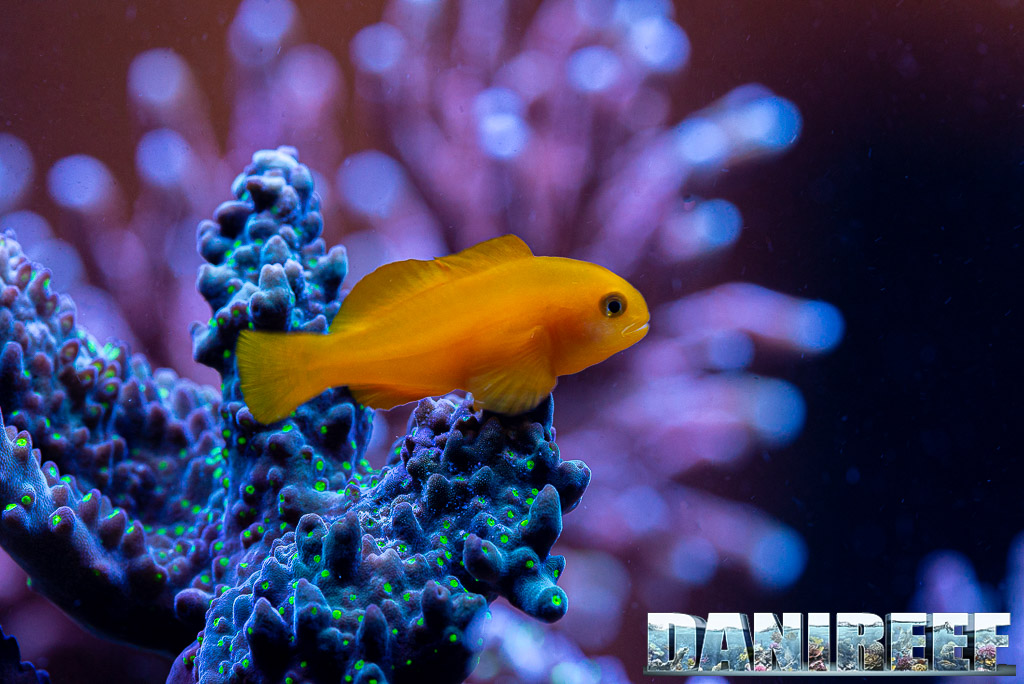
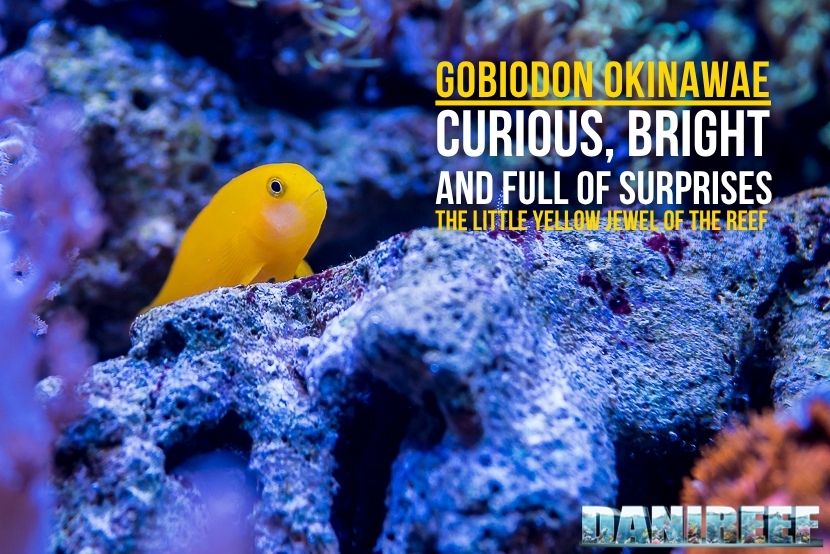
Curious, colorful, and full of personality: let’s dive into the world of the tiny and very yellow Gobiodon okinawae.
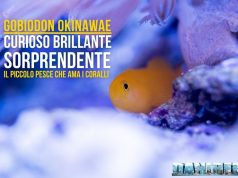
The little yellow clown, as the Gobiodon okinawae is often called, is one of the smallest and most fascinating reef fish. So small that it can virtually be kept in any aquarium, yet visible even in large tanks thanks to its striking splash of yellow. In short? A fish that will always add value to your reef tank.
Gobiodon okinawae
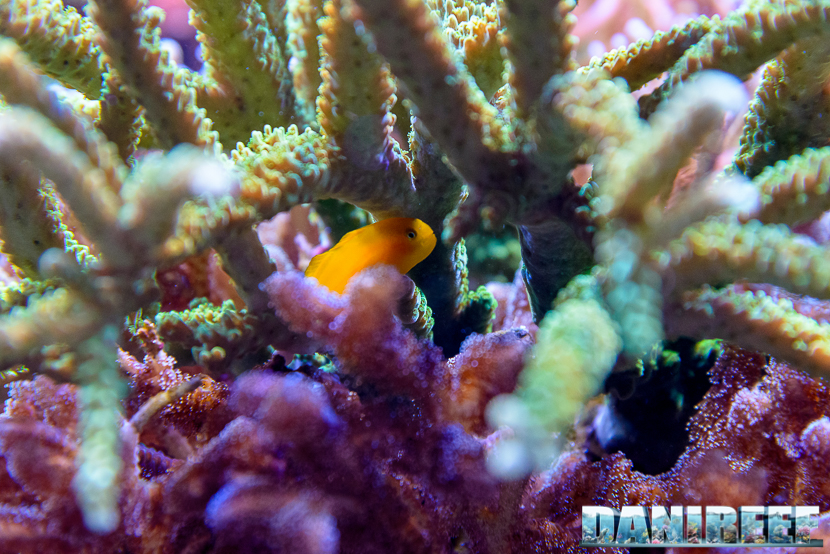
The Gobiodon okinawae (also known as the Japanese Goby) belongs to the family Gobiidae and was first described by Sawada, Arai & Abe in 1972. It is a very small species, often less than 3 cm long, with a maximum size of around 3.5 cm according to FishBase, yet full of charm. Its coloration is very simple to describe: a brilliant, uniform yellow.
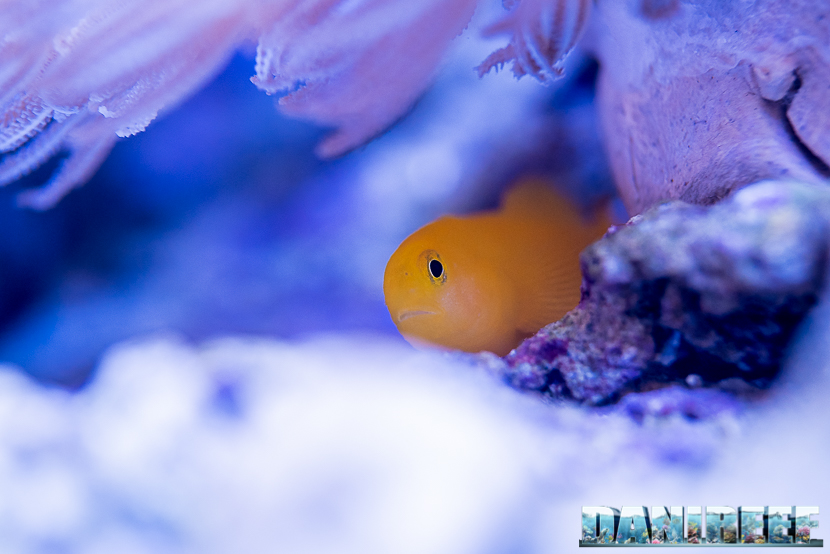
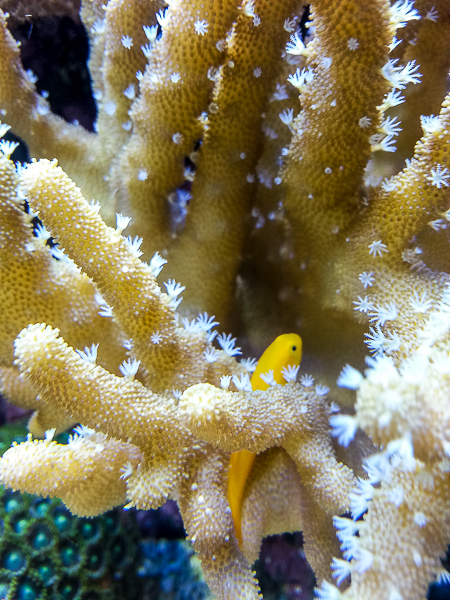
These fish are territorial and establish symbiotic relationships with corals of the genus Acropora or Pocillopora, finding shelter among the branches and protection from predators. In return, they help keep the colony clean by feeding on filamentous algae and detritus.
They can sometimes cause issues when clearing space to spawn, potentially damaging delicate coral tissue and even killing small Acropora branches. In larger coral colonies this is rarely a problem, but if they decide to build their “honeymoon suite” inside a pricey Acropora tenuis, it could become one.
Habitat and distribution
The Gobiodon okinawae is found throughout the Western Pacific, ranging from southern Japan down to the Rowley Shoals and the southern Great Barrier Reef. It is also recorded from several islands of Micronesia, such as Palau and the Marshall Islands, as well as the Philippines and surrounding regions. It favors lagoons and shallow coral reefs, environments with calm waters and branching corals that provide shelter and protection. It is generally encountered at depths between a few meters and about 15 meters, always closely tied to its coral hosts.
Feeding
In the wild, the Gobiodon okinawae feeds mainly on microalgae, small invertebrates, zooplankton, and other suspended particles drifting among coral branches. In aquariums, it adapts well to artificial diets, provided the food is very fine and appropriate for its tiny size. It readily accepts micro–pellets, rotifers (especially useful for juveniles), Artemia-based preparations (ideally enriched with vitamins), and even powdered feeds derived from phytoplankton.

In a reef aquarium with live rock, feeding once a day is usually enough. In tanks without live substrate, however, as with other tiny fish with fast metabolisms, it’s important to provide a varied diet and distribute food 2–3 times a day in small amounts. This ensures not only overall health but also vibrant coloration and natural, active behavior.
Compatibility in aquariums
The Gobiodon okinawae is rarely aggressive or territorial. The only potential issues arise with fish of similar color, size, and body shape, though in sufficiently large aquariums they usually establish their own spaces without problems. The presence of many branching coral colonies helps each individual define its territory. This small goby coexists peacefully with most corals, whether SPS or LPS, as well as with peaceful invertebrates and other small non-predatory fish.
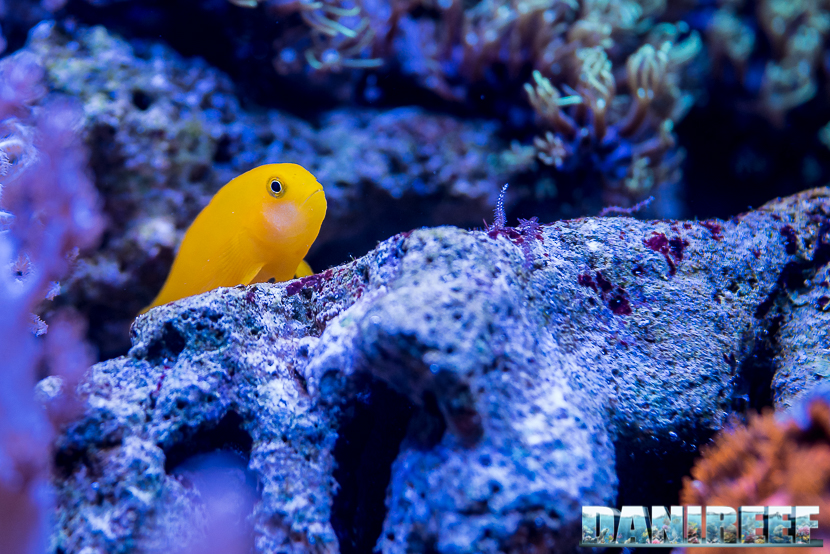
It’s important that its natural refuge—stable coral branches—is not exposed to overly strong currents, ensuring a safe and calm shelter.
Behavior and tank size
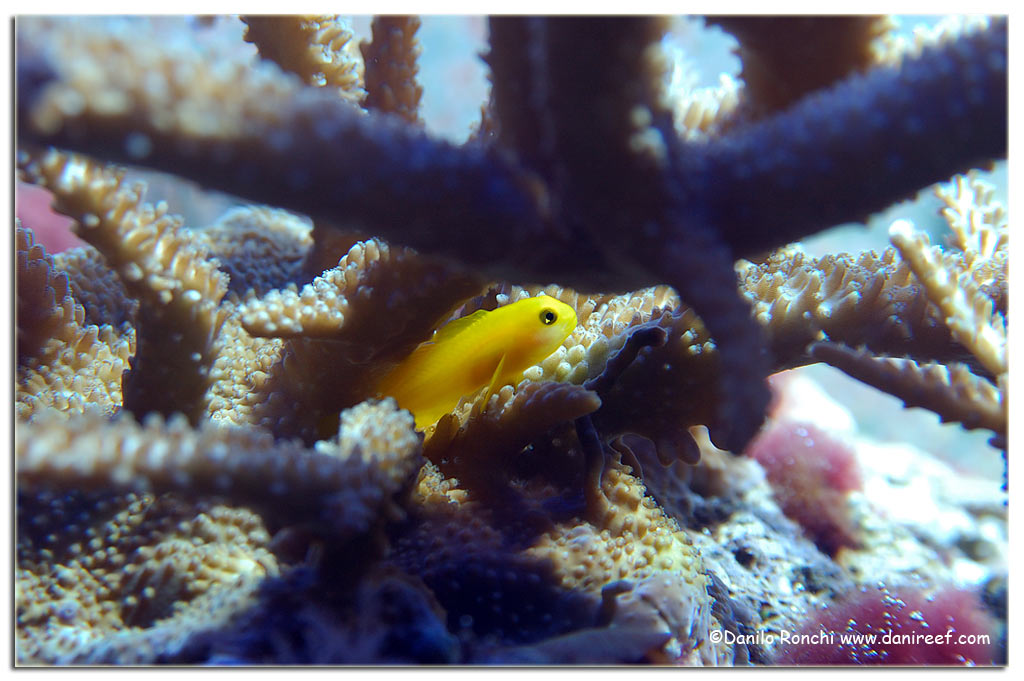
The Gobiodon okinawae is extremely small, with a maximum recorded length of 3.5 cm according to both Scott W. Michael and FishBase. For once, we’re talking about a reef fish that doesn’t require much space. What it does require, as noted, is plenty of hiding places among branching corals, as you can see in the photos included here. An ideal aquarium for this goby should be at least 50 liters, though if kept as the sole inhabitant, even a 25-liter nano reef can work, given its small and sedentary nature.
Breeding Gobiodon okinawae
The Gobiodon okinawae is an oviparous species with fascinating reproductive behavior. It is a bidirectional protogynous hermaphrodite, meaning it can change sex as needed for reproduction. Pairs, often monogamous, select a coral colony as their nesting site and lay eggs attached directly to the coral skeleton. The male usually takes on parental care, guarding the eggs until they hatch and fiercely defending the surrounding territory. After hatching, the fry remain close to the “nest coral” for a while, using the branches as shelter until they are independent enough to move freely within the tank or the open reef.
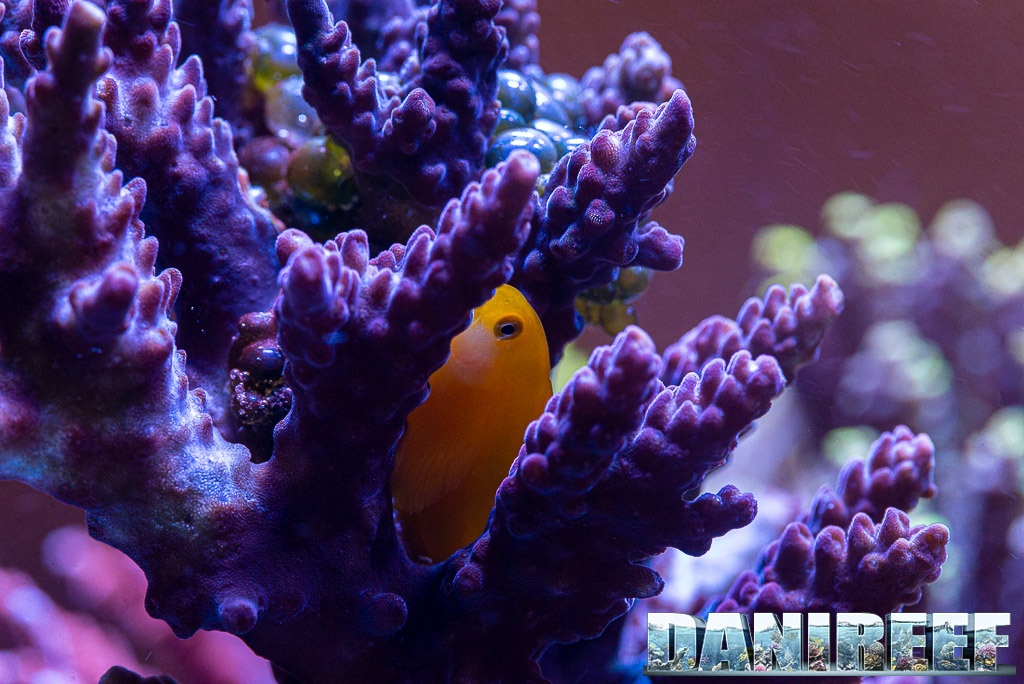
Despite looking straightforward on paper, captive breeding—whether in aquariums or dedicated breeding tanks—is extremely challenging. Only recently, De Jong MarineLife succeeded in breeding Gobiodon okinawae in captivity, as we reported in this article: Gobiodon okinawae finally bred in captivity.
Did you know?
Gobiodon species, including the Gobiodon okinawae, are known to produce a special toxic skin mucus that deters predators from eating them. This noxious “slime” acts as a true chemical shield, making these tiny gobies far less appealing to reef carnivores.
DaniReef’s advice: HIGHLY RECOMMENDED for every marine aquarium. Beautiful and easy to keep—just be cautious if you own delicate Acropora!
Have you ever kept a Gobiodon okinawae? Share your experience in the comments below and on our social channels! Follow us on Telegram, Instagram, Facebook, X/Twitter and YouTube to stay updated with more articles and video reports from the marine aquarium world. And if you need help, with the Chelmon or any other aspect of reefkeeping, join us on our forum.
Scopri di più da DaniReef - Portale dedicato a Acquario Marino e Dolce
Abbonati per ricevere gli ultimi articoli inviati alla tua e-mail.