
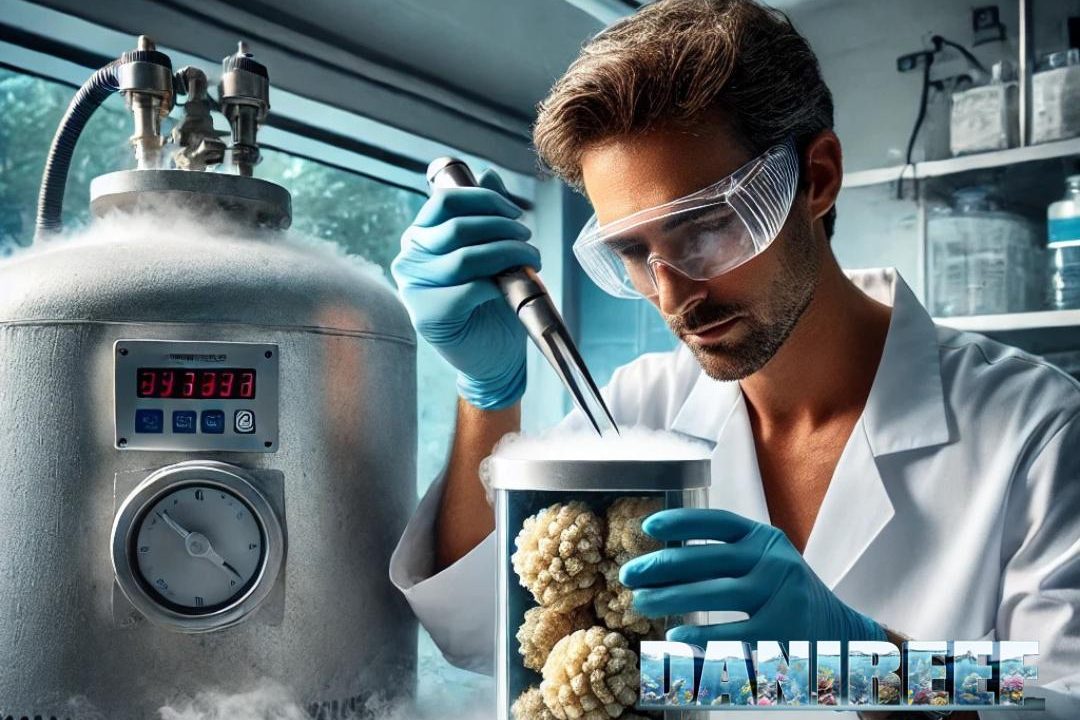
Cryopreservation represents one of the most innovative techniques for safeguarding coral reefs, particularly those in Florida.
Cryopreservation is revolutionizing coral reef conservation, especially in Florida’s reefs. This technique allows scientists to freeze coral cells, preserving them in liquid nitrogen for future use. Through this innovative approach, researchers hope to protect species threatened by climate change and pollution. In practice, this means the creation of a true coral bank.
Why is cryopreservation so important?
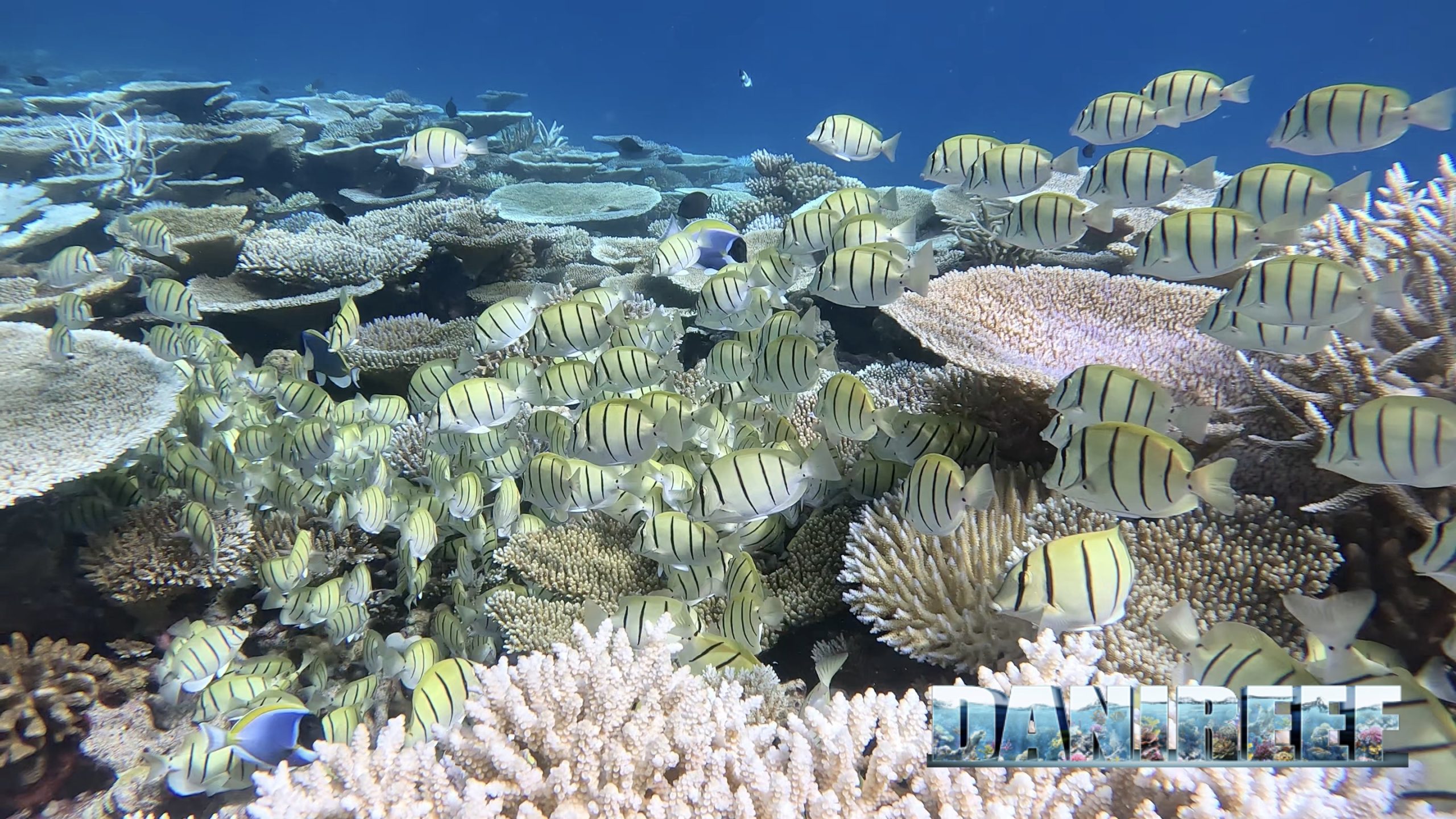
Corals play a crucial role in marine ecosystems. With the accelerated degradation of reefs worldwide, this technology offers a potential lifeline for long-term coral conservation. As scientists warn, without intervention many coral species could face dramatic declines in the coming decades.
Benefits and limitations of cryopreservation
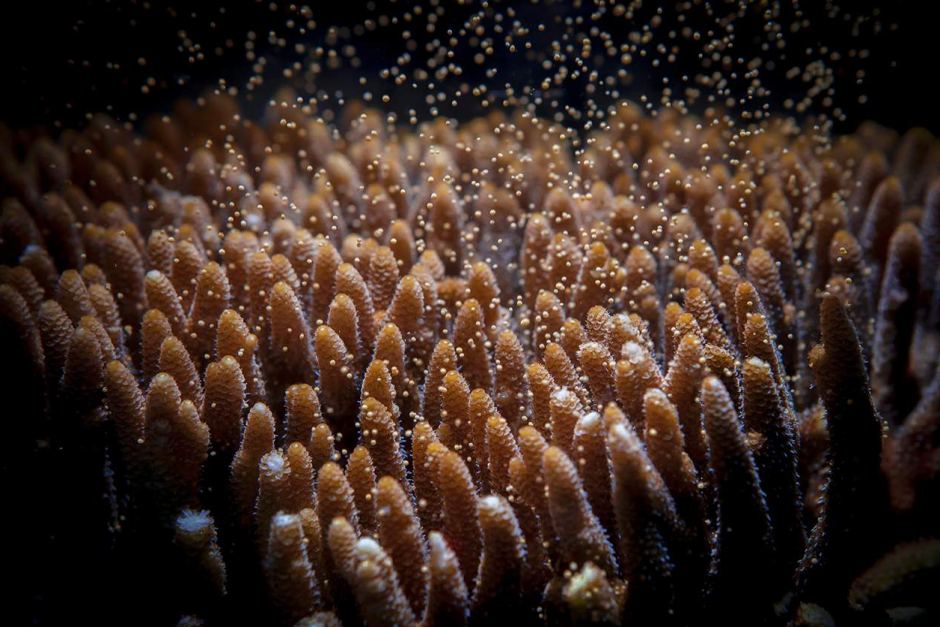
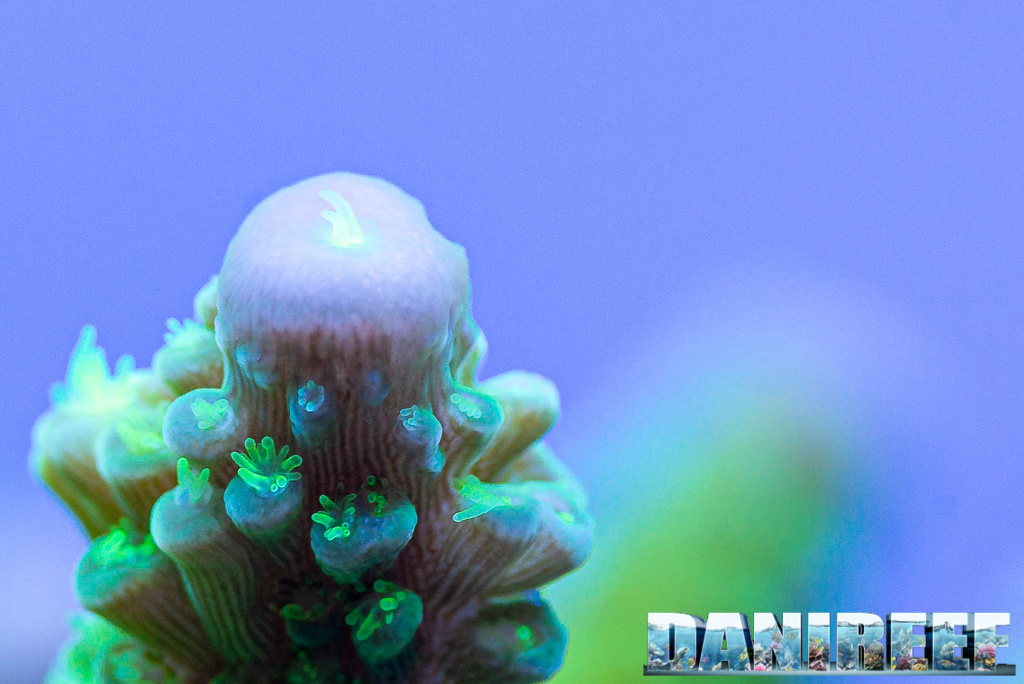
Cryopreservation is not a magic solution, but it is a powerful tool. Storing coral eggs and sperm helps preserve genetic diversity, which is vital for building more resilient reefs. However, the process is complex: not all species respond the same way to freezing, and the procedures require advanced technologies and significant costs.
Scientists at the Mote Marine Laboratory in Florida have implemented cryopreservation programs in collaboration with other institutions. These efforts aim to create a “coral bank” that can be used to restore damaged reefs. This is not the only technological frontier: other solutions under experimentation include robot-assisted reef restoration and 3D-printed artificial reefs.
How does coral cryopreservation work?
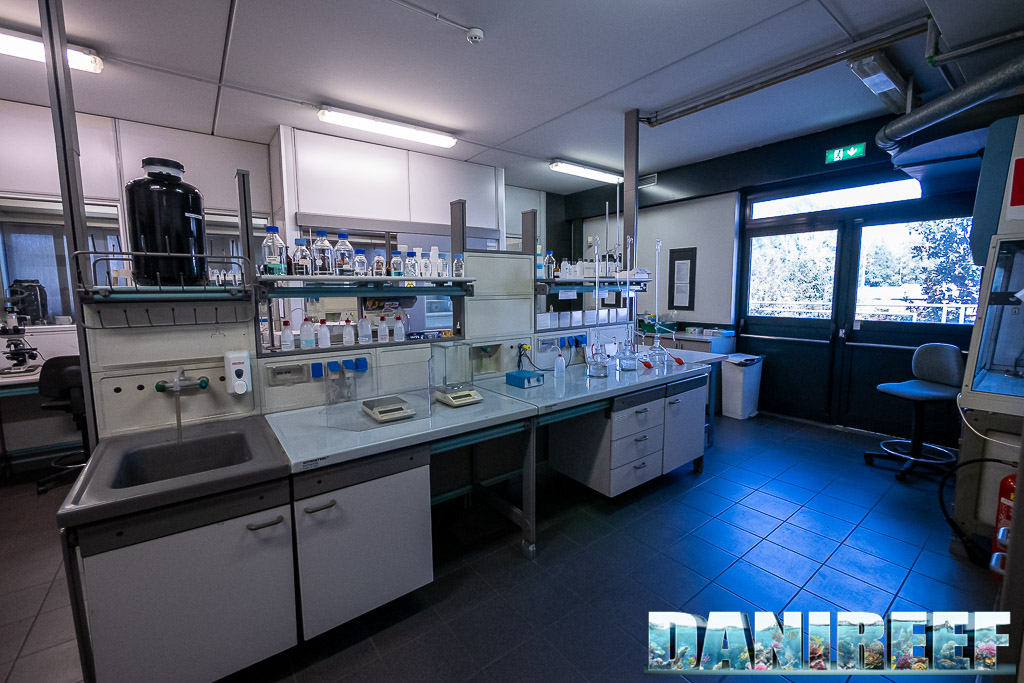
The process involves collecting and freezing coral eggs and sperm so they can be reused for future reproduction. This method offers a sustainable way to conserve marine biodiversity. In the future, Florida’s reefs could be restored using these frozen corals, reducing the risk of extinction.
International collaborations
The success of cryopreservation depends on collaboration between institutions. In addition to the Mote Marine Laboratory, similar projects are carried out by the Florida Aquarium Center for Conservation and the Smithsonian Conservation Biology Institute. Building a global network of “coral banks” is essential to address a crisis that knows no geographic boundaries.
A global approach to reef conservation
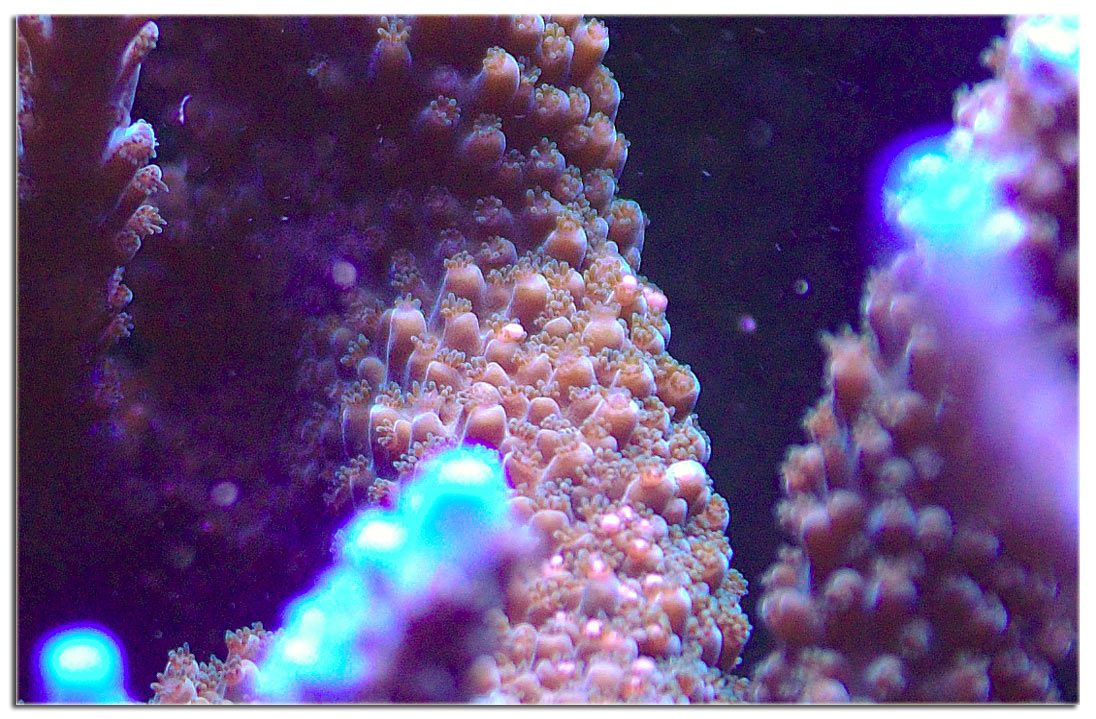
Cryopreservation of corals is not limited to Florida. Other countries are adopting similar strategies to protect their threatened coral reefs. This method could become essential in a global scenario where climate change and ocean acidification endanger marine ecosystems.
Researchers emphasize that cryopreservation does not replace the protection of natural ecosystems, but acts as a kind of “life insurance” for coral reefs. Alongside emission reduction and direct habitat protection, this technology can ensure that at least part of corals’ genetic heritage survives for future generations.
References
- The Florida Aquarium: Coral Conservation Program;
- Scientists Cryopreserve and Revive Coral Fragments in a World First for Conservation;
Cryopreservation represents one of the most innovative paths to secure a future for our reefs. What do you think about this technology? Share your thoughts in the comments below or join the conversation on our forum. Follow us on Telegram, Instagram, Facebook, X/Twitter and YouTube to stay updated with articles, reports, and news on the future of coral reefs.