
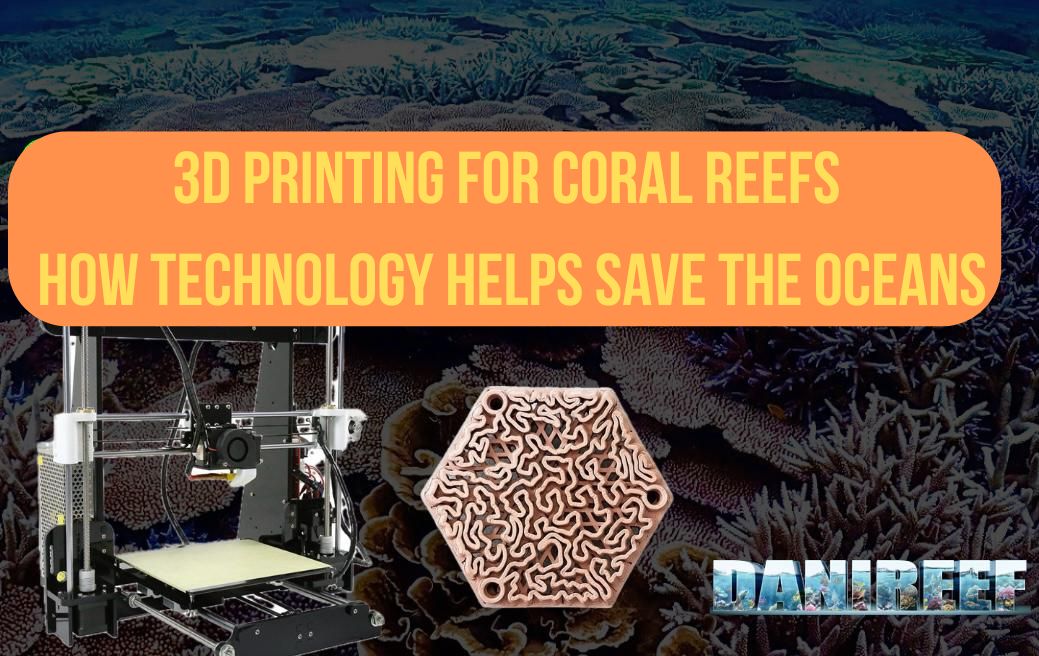
3D printing is not just for industry: today it can become a tool to save corals and restore endangered reefs.
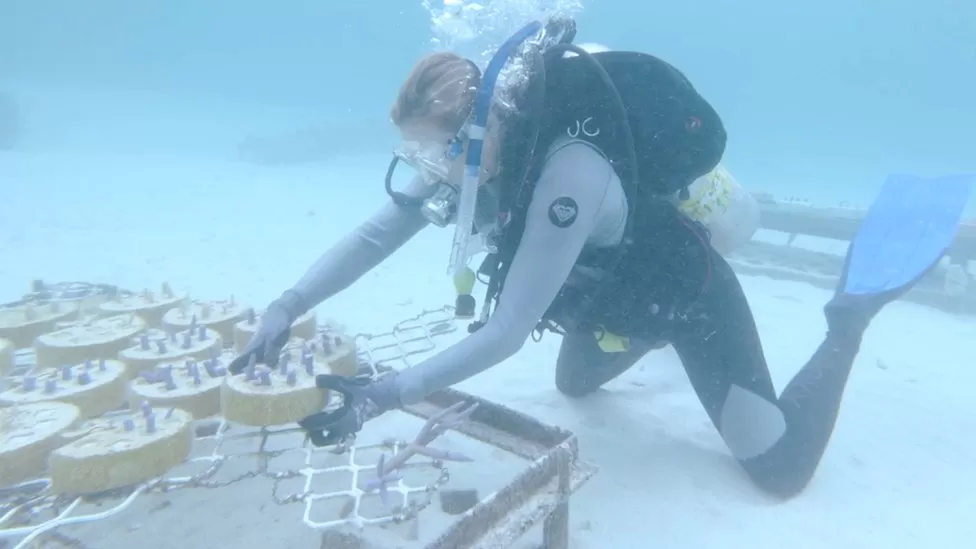
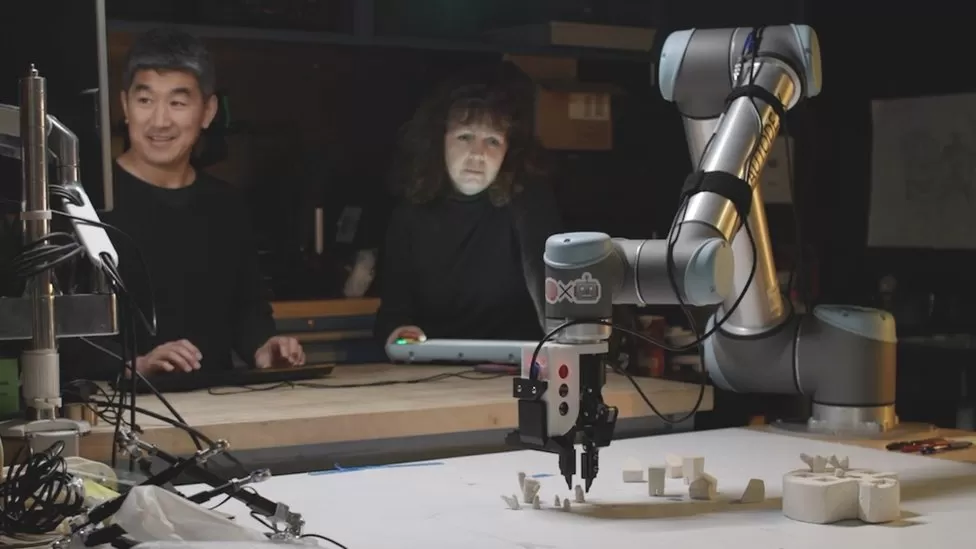
3D printing is a revolutionary technology that can improve the health of damaged coral reefs. This technique makes it possible to create three-dimensional surfaces that mimic the natural features of benthic substrates, favoring coral recruitment. Studies have shown that corals such as Pocillopora acuta prefer to settle on surfaces with 3D-printed microhabitats, such as grooves and sheltered corners. The use of biodegradable materials such as PLA (polylactic acid) increases the sustainability of this approach, accelerating reef recovery.
Why is a 3D substrate effective in coral recruitment?
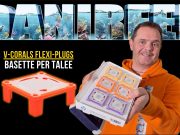
Natural surfaces, such as cracks and crevices, provide ideal shelters for coral larval stages. Through this printing process, we can replicate these physical features economically and efficiently.
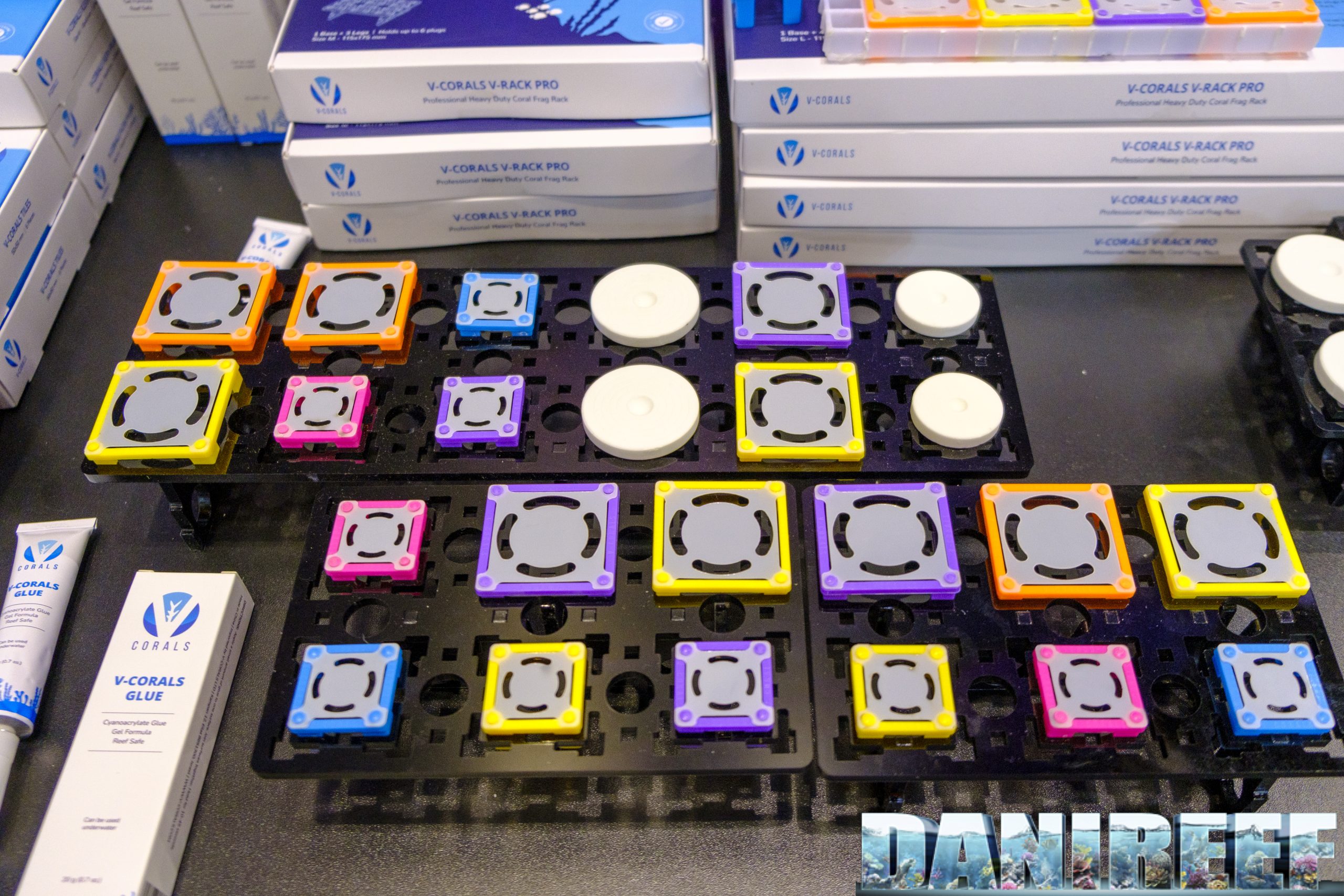
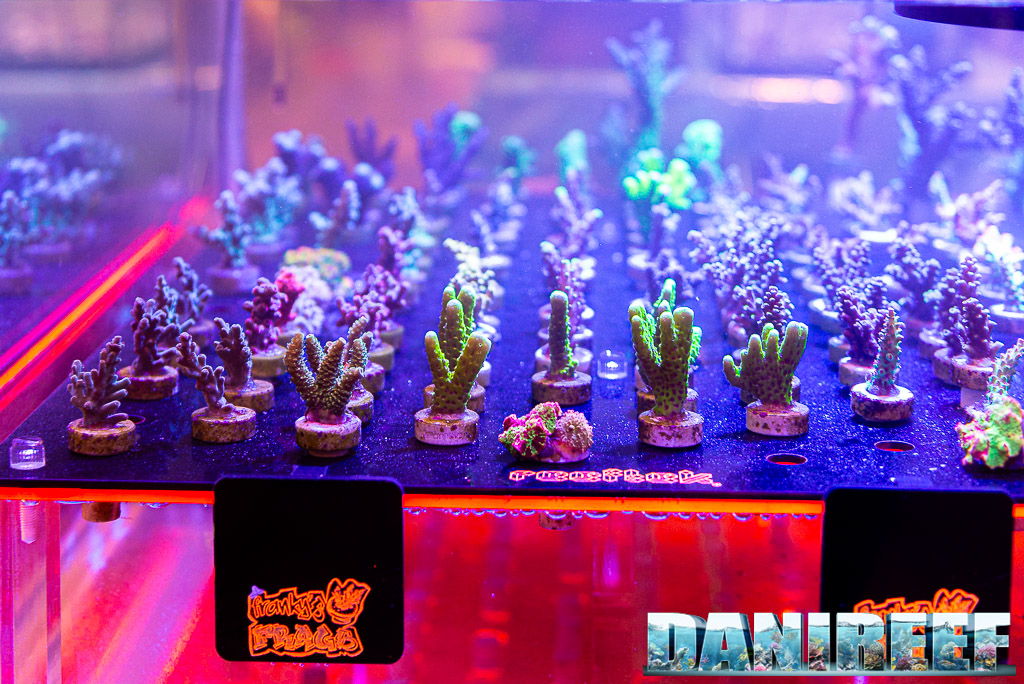
Experimental studies conducted in Moorea, French Polynesia, have shown that coral larvae settle more frequently on tiles with three-dimensional structures, achieving a survival rate 16.4% higher than on flat surfaces.
Advantages of 3D printing in marine habitat restoration
3D printing reduces the cost of traditional modeling and allows for greater precision in creating microhabitats. With the use of eco-friendly materials, 3D printing not only accelerates coral recruitment but also improves their long-term survival. In addition, it offers a modular and scalable method for reef restoration projects, which is particularly important given the acceleration of environmental crises.
Future applications
Looking ahead, 3D printing can be used to create support structures that not only promote coral recruitment but also enhance marine biodiversity by involving the settlement of other organisms such as sponges, gorgonians, etc. Emerging technologies such as fused deposition modeling (FDM) allow the integration of materials such as ceramics and calcium carbonate, providing substrates that mimic the biological characteristics of natural reefs.
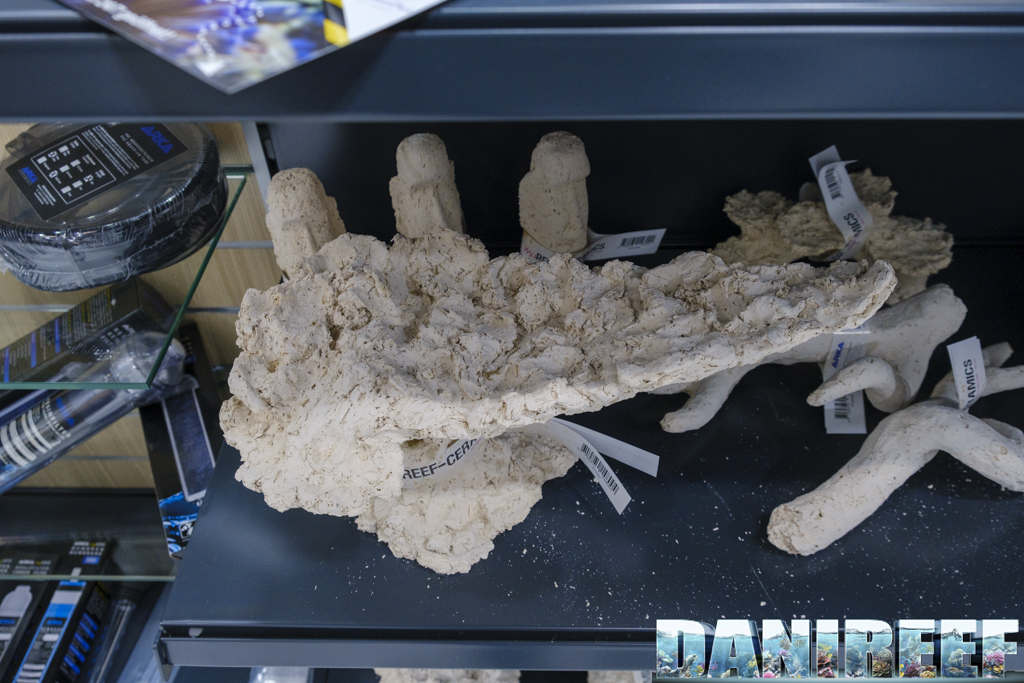
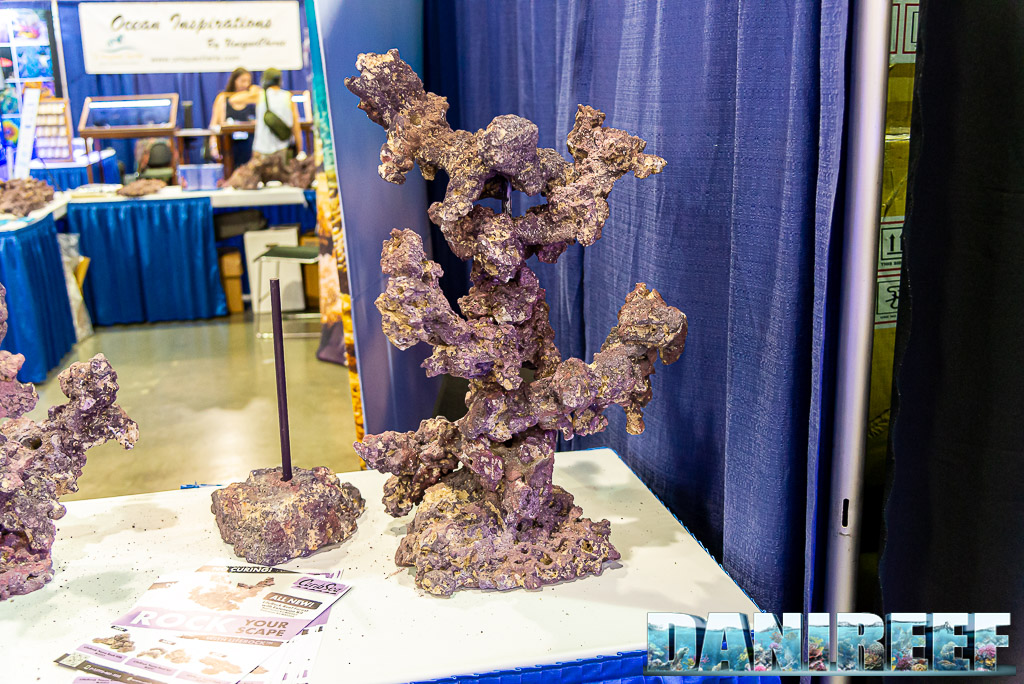
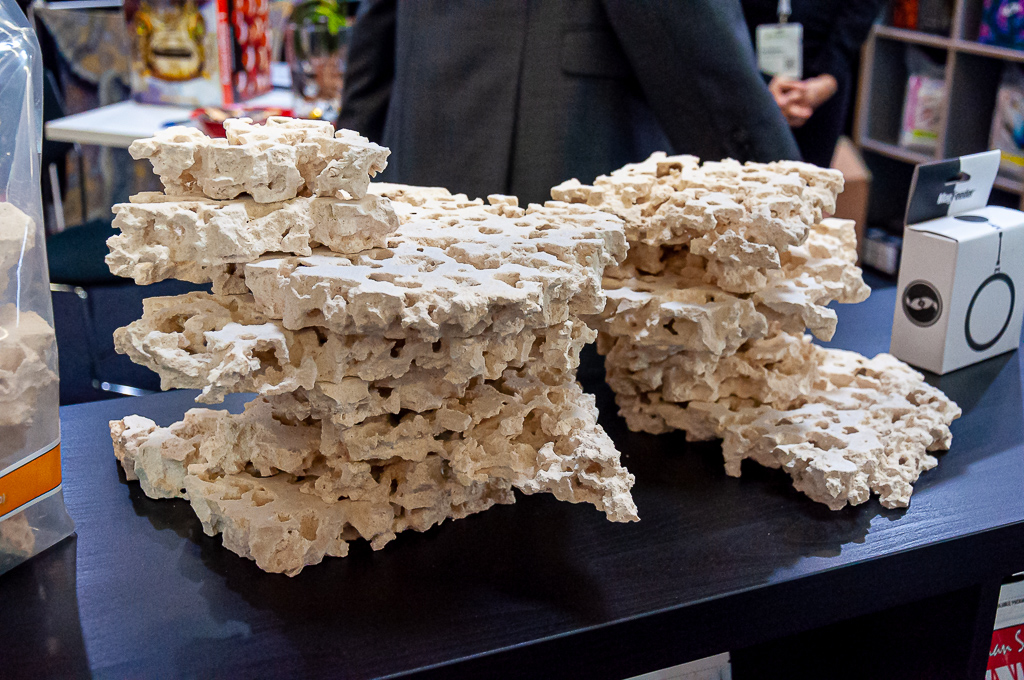
As we have seen for some time, there is an effort to replicate the natural substrates of live rock with biocompatible materials. Read “Live rock and synthetic rock: how many kg are needed for a marine aquarium?”. With the continuous evolution of technology, we can expect an increasing impact on ocean restoration.
References
- Source: Muñoz-Maravilla JD, Edmunds PJ. In Press. Three-dimensional printing can provide opportunities to promote coral recruitment on disturbed reefs. Bulletin of Marine Science. DOI
And you? What do you think about 3D printing to save corals? Tell us in the comments or join us on Telegram, Instagram, Facebook, X/Twitter and YouTube, or on our forum.
Scopri di più da DaniReef - Portale dedicato a Acquario Marino e Dolce
Abbonati per ricevere gli ultimi articoli inviati alla tua e-mail.