
I’ve cheated a little about the title. I can’t tell you how to proper cure it, but I can show you how to get out of a desperate situation.
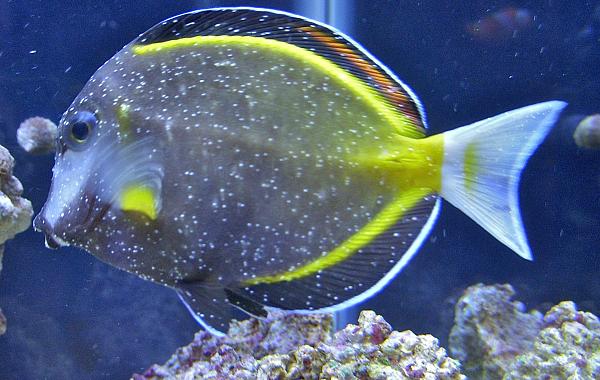
Let’s start from the beginning. The Cryptocaryon irritans is a ciliate protozoan which becomes a parasite for marine fish. The Oodinium is a dinoflagellate unicellular parasite of fresh water and marine fish. The first is also named white little spots disease, the second the velvet disease. This is due to the specificity of the disease manifestation on the fish.
The truth is that both these “diseases” (let’s call them like that), can be avoided or fought when you have a fish good health. Moreover our experience shows how often both the Crytpocaryon and the Oodinium are the manifestation of a latent disease in the fish. We can compare these diseases to the manifestation of the fever in humans. It’s not almost the fever the problem itself, but the pathology that caused it.
So the main feature that marine aquariums must have is to be a great environments for the fish they’re going to host. A healthy aquarium, with perfect chemicals values, with adequate hiding places and spaces for the hosted fish, without sudden changes between the chemicals values, will hardly develop one of these pathologies.
What can we do against Cryptocaryon and Oodinium
The cure of our aquarium is then the first step for hosting fish in a good health. The second step is to host fish that can coexist together in armony. For example, if we insert a Zebrasoma flavescens in a marine aquarium of 100 liters it’s very likely that it will be get sick. A competition between similar fish can lead someone to get sick, like an Acanthurus leucosternon and an Acanthurus japonicus in an aquarium of 200 liters: it can easy lead to the develop of the disease. A sudden temperature change, and so on.
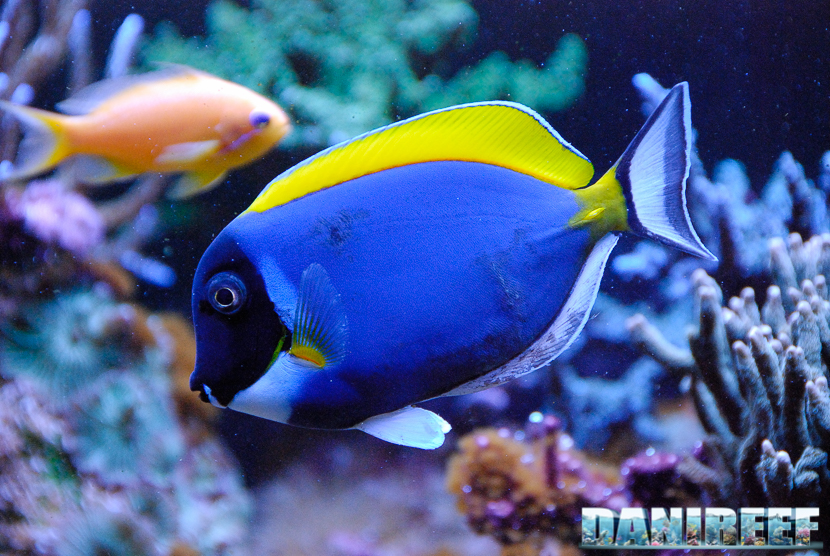
A fish in a good health can perfectly fight these parasites. If it’s even partially stressed it can’t instead. In fact putting a fish a small bowl for treating it with osmosis baths and/or copper treatments could inevitably weaken it in conjunction with its stressed status.
At this point intervene these natural cures in order to regain health.
Enriched food
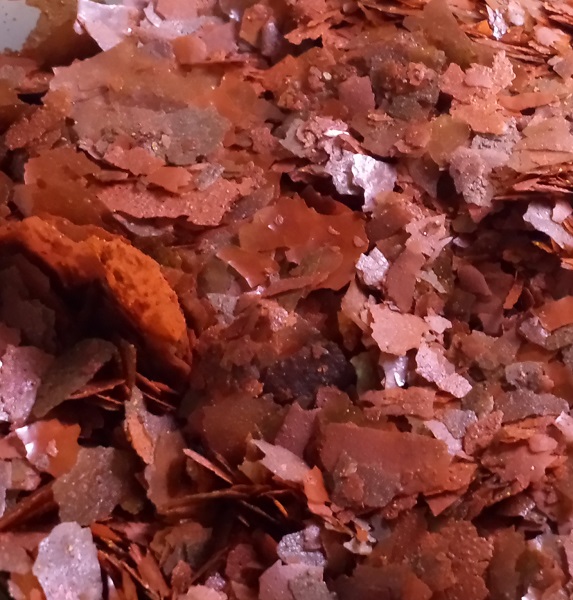
In case of diseases, like it happens to humans, you have to increase the administration of food, and possibly with an high protein content. There’re also good vegetal-based feeds but it’s better to choose something with a protein content because they’re more helpful. And if the feeds contained vitamins and garlic that would be great. If they don’t, you could fortify their feed with squeezed garlic and liquid vitamins before the administration.
You can lightly use the vitamins on the market, or buy Idroplurivit for children at the drugstore. It’s the same. You already know where to buy garlic.
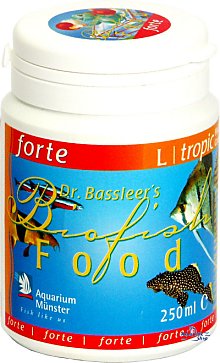
Otherwise one of the feeds I suggest the most in these cases it’s the Dr. Bassleer’s Biofish Food Forte. It’s a feed fortified with garlic, vitamins and very proteic. Don’t use it more than a week in a month if you intend to prevent.
Usually if you have an aquarium in good health with just an enriched alimentation you would be able to contain the problem if not to resolve it.
Other things we can do
It’s difficult to act on the ecosystem of an aquarium and even the administration of copper based products might bring advantages for the fish, but at the same time they might eliminate the invertebrates in the aquarium.
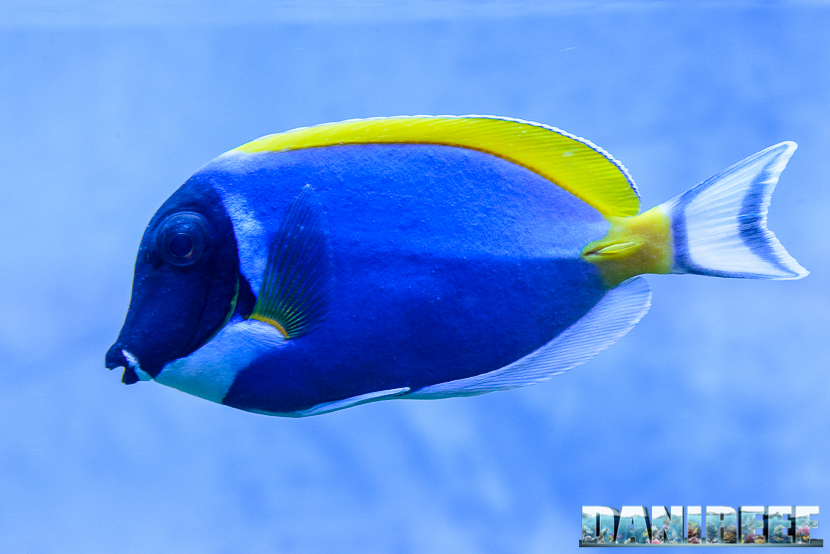
Some people suggest to raise the temperature to 28 degrees. For an Oodinium it would be quite useless, because it dies with 34 degrees and for 36 hours, and the temperature could kill our sick fish. Instead with a Cryptocaryon you would obtain a faster metabolism and a faster succeeding of the four stages of the disease, that are: parasitic, dissociation, reproductive, contagious. If the fish is regaining health it will have less parasites than the previous phase. But I think that isn’t a real improvement. We’re just faster but you can’t say this is better also for the fish.
Lysmata shrimps
Lysmata shrimps, and in particular the amboinensis, are the cleaner shrimps for excellence, and they’re great for helping the fish in these conditions, which otherwise could scratch themselves on the rocks.
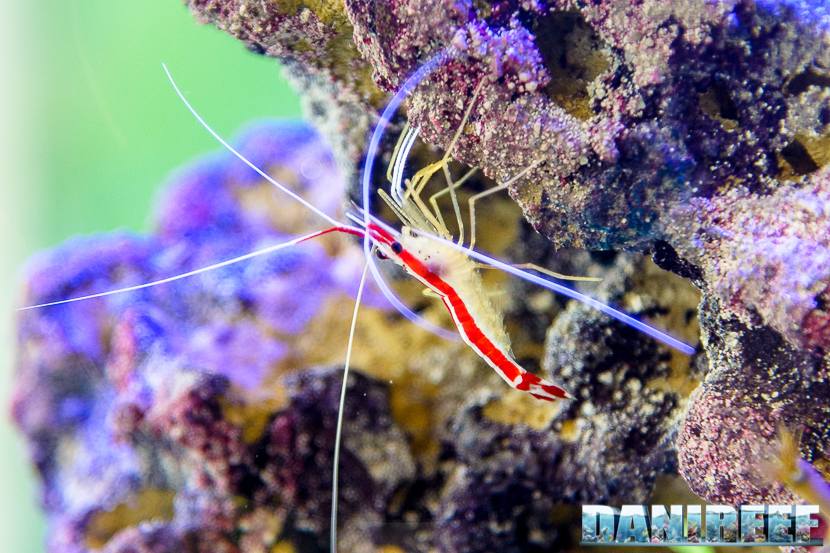
The more of these shrimps you have in aquarium, the easier will be for your fish to heal.
Gobiosoma evelynae and Labroides dimidiatus fish
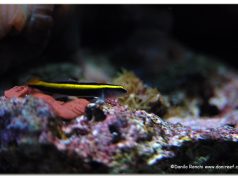
Another great cure are the Gobiosoma evelynae fish. They aren’t easy to find, but they’re tireless parasites eaters. Moreover they’re small and don’t bother the other fish when there aren’t parasites anymore.
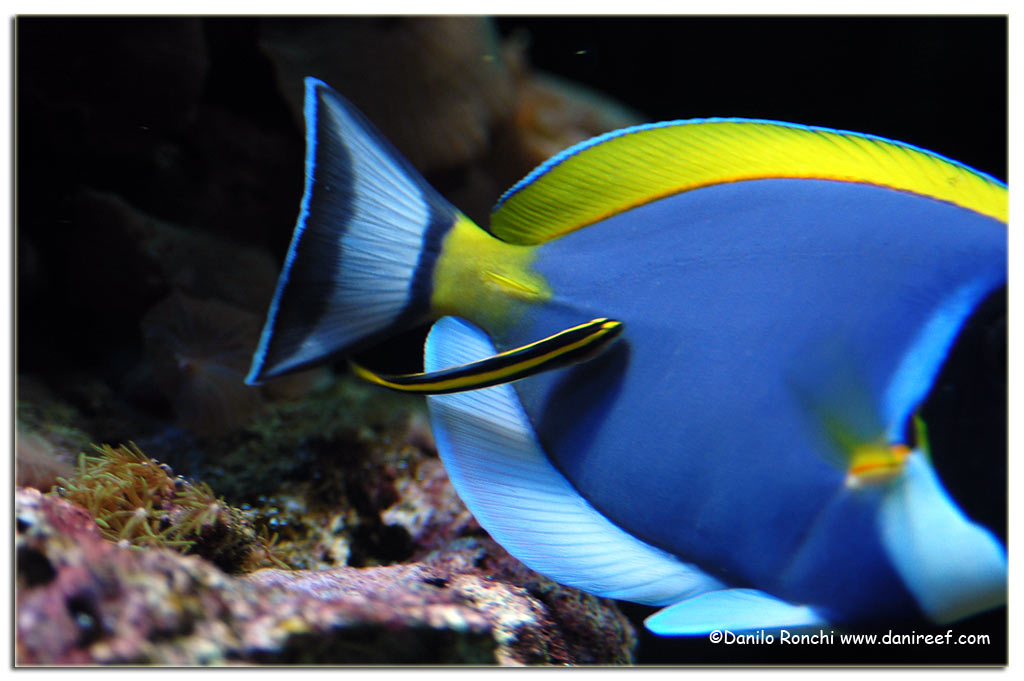
Here above we can see a Gobiosoma evelynae cleaning an Acanthurus leucosternon.
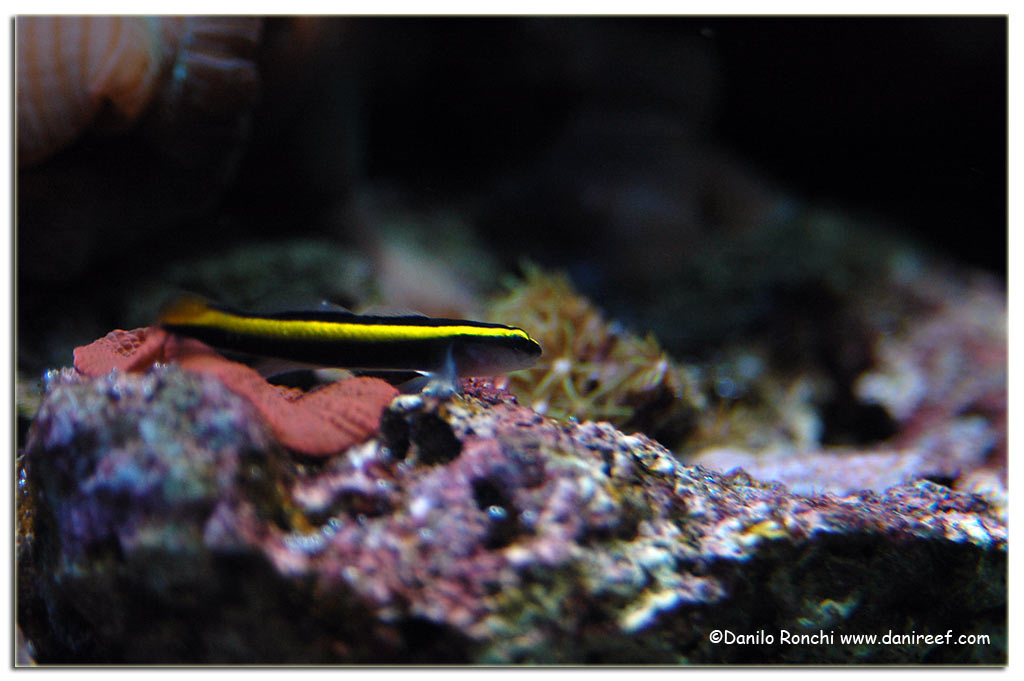
Another excellent fish for the eradication of parasites is the Labroides dimidiatus. The problem is that it’s very aggressive towards the parasites so it tends to stress the healthy fish when there are no more parasites. I suggest to take one of them each two big sized fish in aquarium. Don’t go too far.
Iodium
Many people suggest the administration of iodium in case of these attacks. If you have the possibility to measure the iodium level and you actually have a low level in aquarium, then add it, but don’t overdo because it’s toxic anyway.
UV lamp and Ozone
The UV lamp can help a lot, but exclusively with the Cryptocaryon in the dissociation phase. In this case the lamp burns the protozoan fluctuating into the water, so it dies without reproduce. But the lamp eliminates also those good organisms in aquarium, so I don’t feel like suggesting it. Instead the Ozone can help the fish to heal, if dosed in the right way.
A recap
So, if happens that we have one of the disease described before, the Cryptocryon irritans or the Oodinium ocellatum, it’s helpful to follow these simple rules:
- Acquarium with perfect chemical and biological values;
- Administration of proteic feed with garlic and vitamins;
- Purchase of fish and shrimps in order to fight the parasites (Lysmata amboinensis, Gobiosoma evelynae, Labroides dimidiatus etc);
- Use of Ozone and UV lamp in case you already have one at home.
If you have questions, we’re glad to help you.
Scopri di più da DaniReef - Portale dedicato a Acquario Marino e Dolce
Abbonati per ricevere gli ultimi articoli inviati alla tua e-mail.