
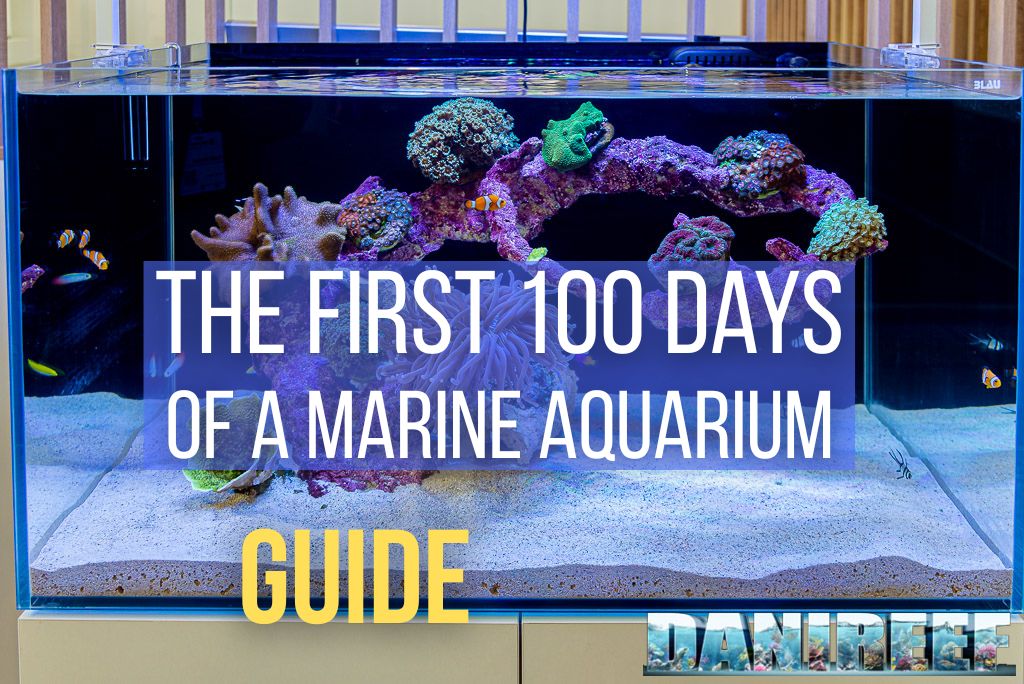
Mini complete guide to the first 100 days of a marine aquarium: how to manage lighting, detritivores and ICP tests for a safe and stable start.

Setting up a marine aquarium is like bringing a small ecosystem to life. During the first 100 days that environment goes through fascinating chemical and biological phases that can surprise beginners. Knowing and respecting these steps – instead of trying to force them – is the key to achieving a stable and healthy reef. Many of these topics are covered in detail in other articles on this website, but today we want to help anyone who is starting out or has just started.
Key premise
Before we even talk about biological cycles and what happens in the first 100 days of a marine aquarium, one point needs to be crystal clear: the initial setup must be impeccable. All the observations and tips that follow only make sense if the foundation has been prepared with care.
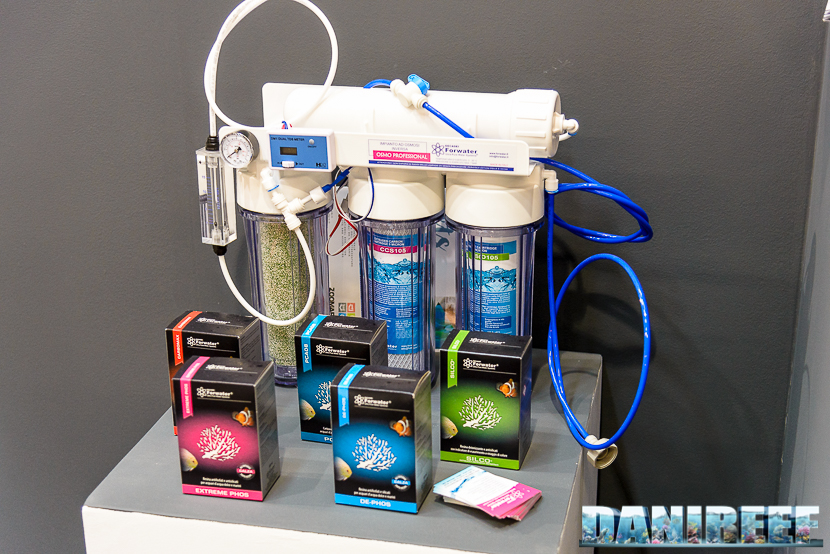
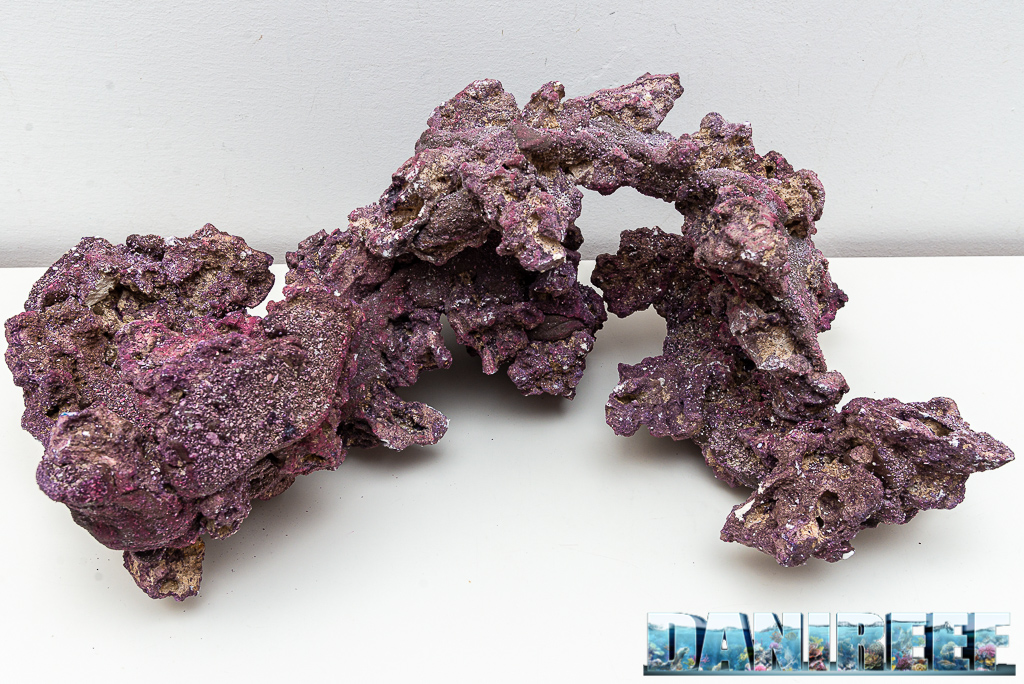
This means using ultra-pure reverse osmosis water, checked with a TDS reading close to zero, or a pre-mixed saltwater blend from reliable companies. It also means choosing high-quality rock, whether it is live rock rich in microfauna, well-cleaned dry rock free from contaminants, or high-quality artificial rock.
If the foundations are not solid – for example water with silicates, chlorine or heavy metals, or rocks that release phosphates and unwanted substances – any later analysis of the parameters becomes meaningless. First you must guarantee the purity of the water and the quality of the biological material; only then can you talk about maturation, lighting, detritivores and ICP tests.
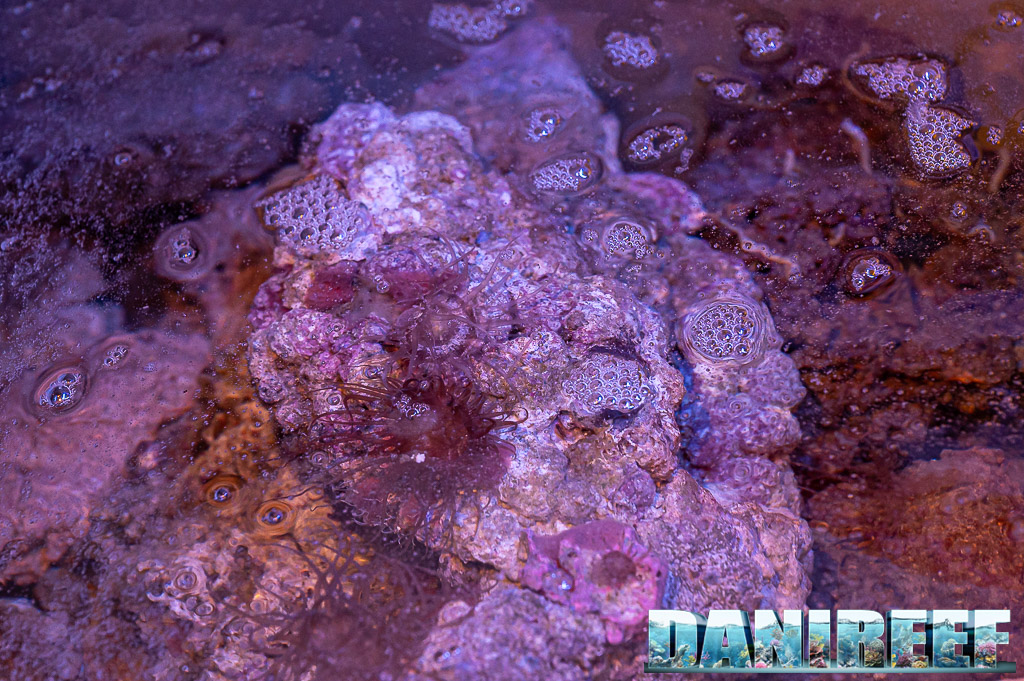
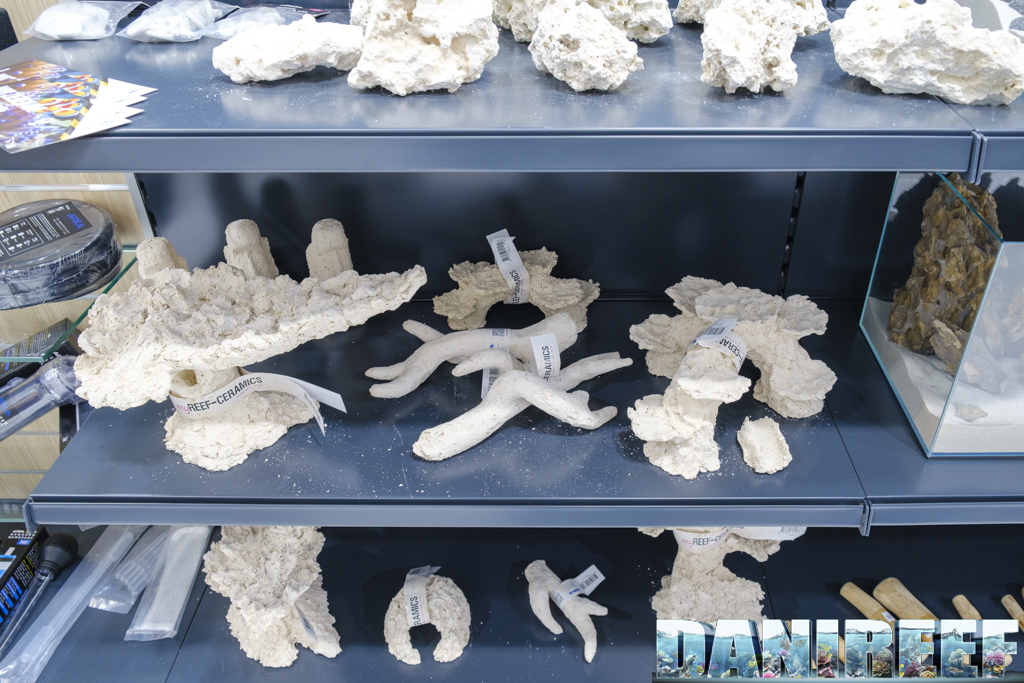
The first 100 days of a marine aquarium: the initial phase
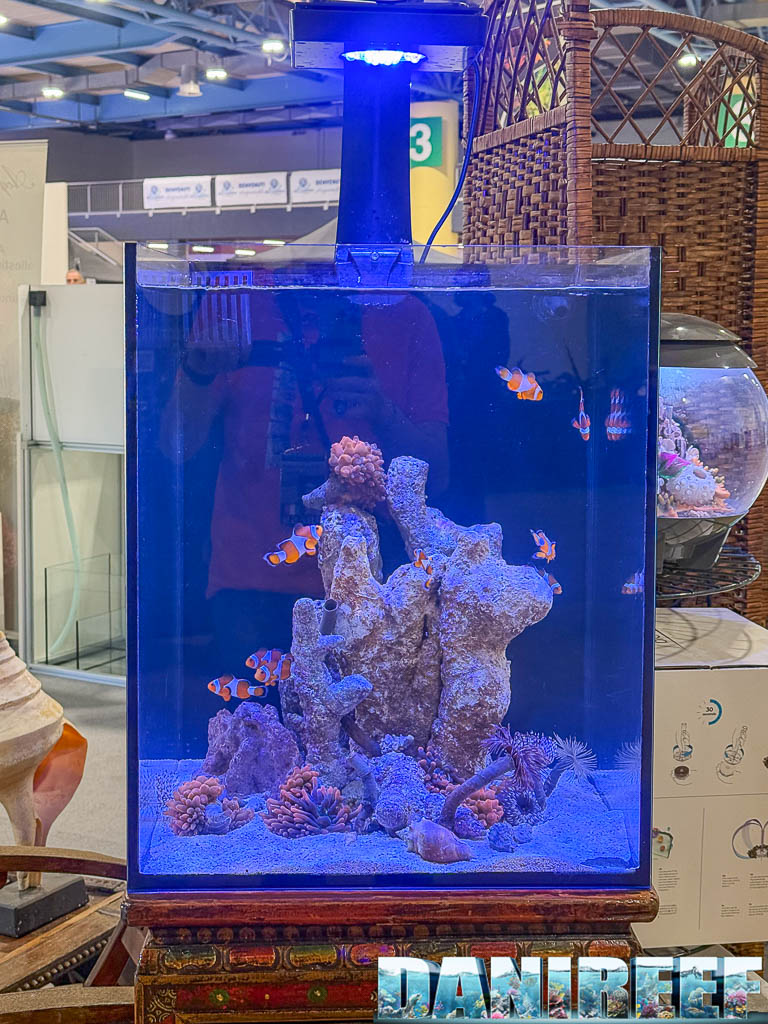
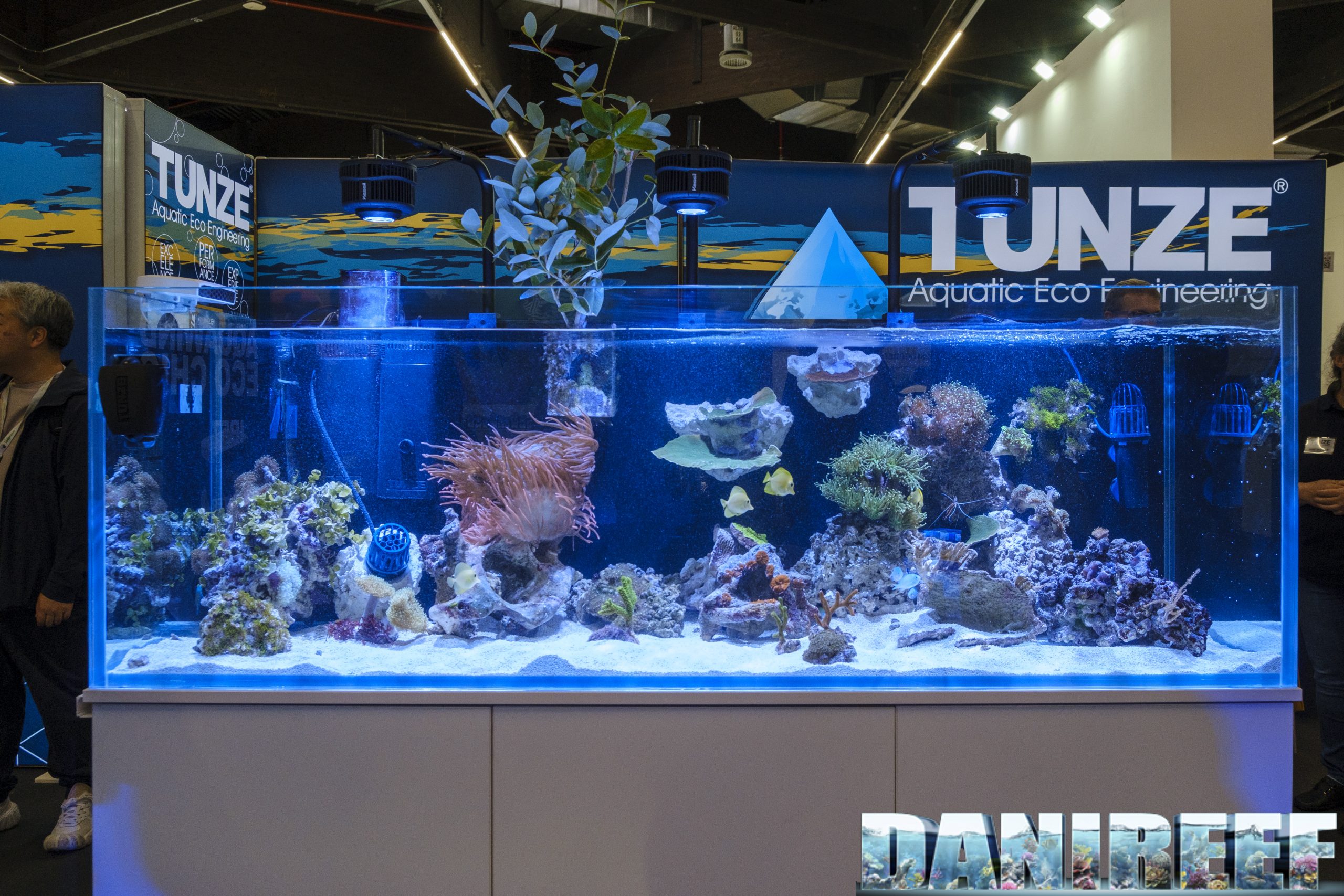
In the first few weeks the rocks may look almost inert, but invisible life is working non-stop. Nitrifying bacteria colonize every surface, turning ammonia into nitrite and then nitrate. Fluctuations in these values are normal: the nitrogen cycle is the foundation on which everything else will be built.
When the first diatoms appear – a brown film on rocks and sand – it is not a failure but a sign that the tank is maturing. At this stage stability is crucial: no drastic water changes, keep a regular photoperiod, good water movement throughout the tank and plenty of patience.
Adjusting the light: how to manage the LED fixture
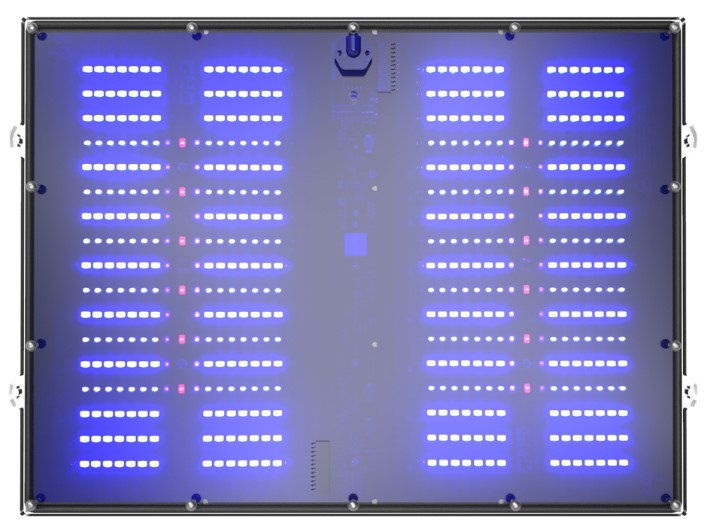
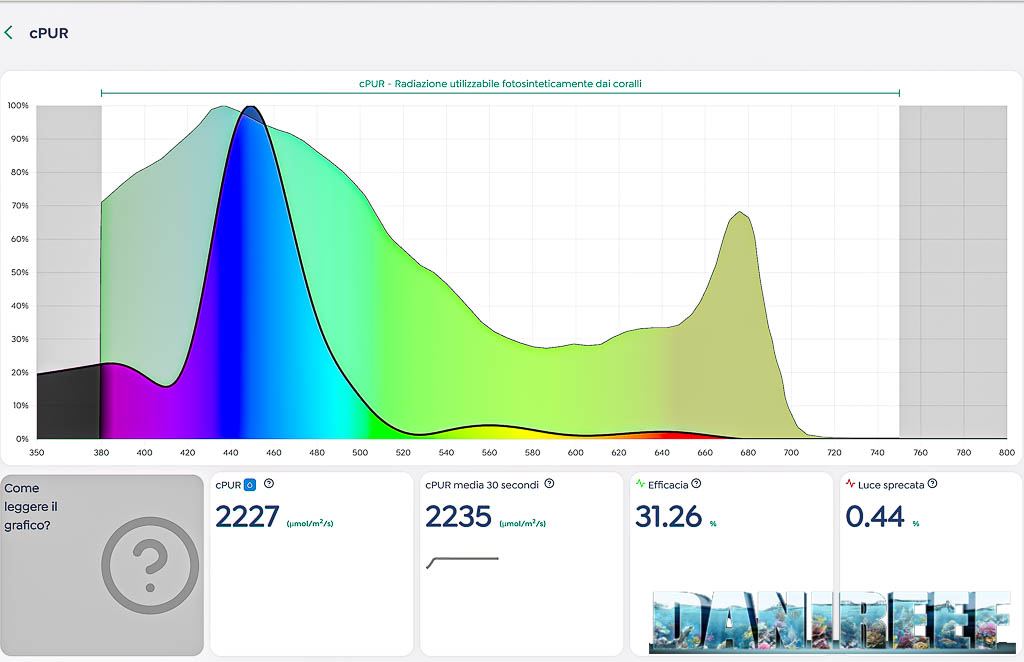
The LED fixture deserves attention right from the start. For the first few days it is better to use a reduced photoperiod, around 4–6 hours, with blue channels at 50–60% and whites lower, around 20–30%. After the first two weeks you can gradually increase to 8 hours and slightly raise the whites. This approach limits excessive algae growth and allows the microfauna to adapt to stable lighting. Remember that every fixture has its own output: always check PAR levels and adjust the percentages to your tank’s needs. To do this, you can refer to all the measurements we have taken in the DaniReef LAB. At the beginning keep the red and green channels at a minimum.
Note: if you are using particularly powerful fixtures (Radion, A8 Pro, GNC BluRay X, Orphek, etc.) start with even lower values for the white channels and slightly reduce the blues as well. In the very first days excessive power almost always leads to explosive algae growth and stress for the developing microfauna.
Introducing detritivores: a powerful ally against algae

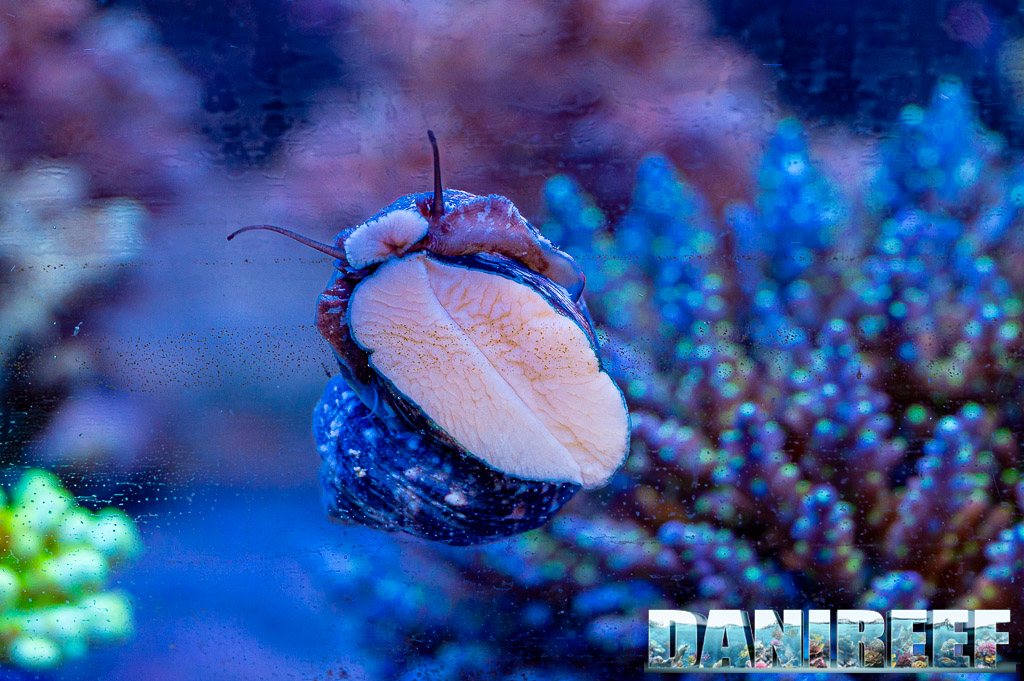
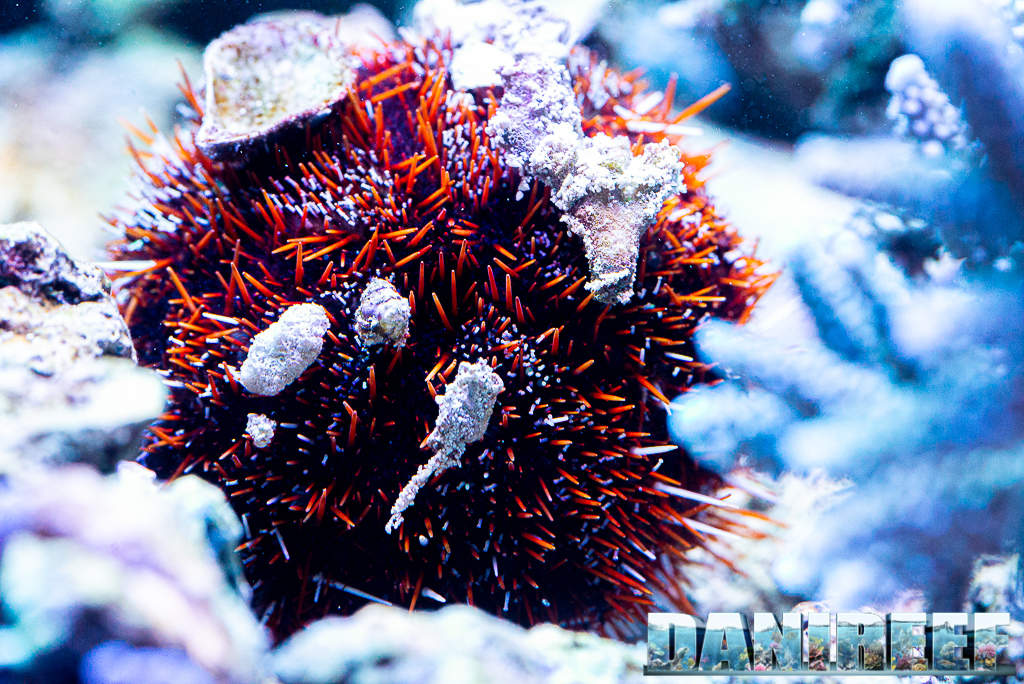
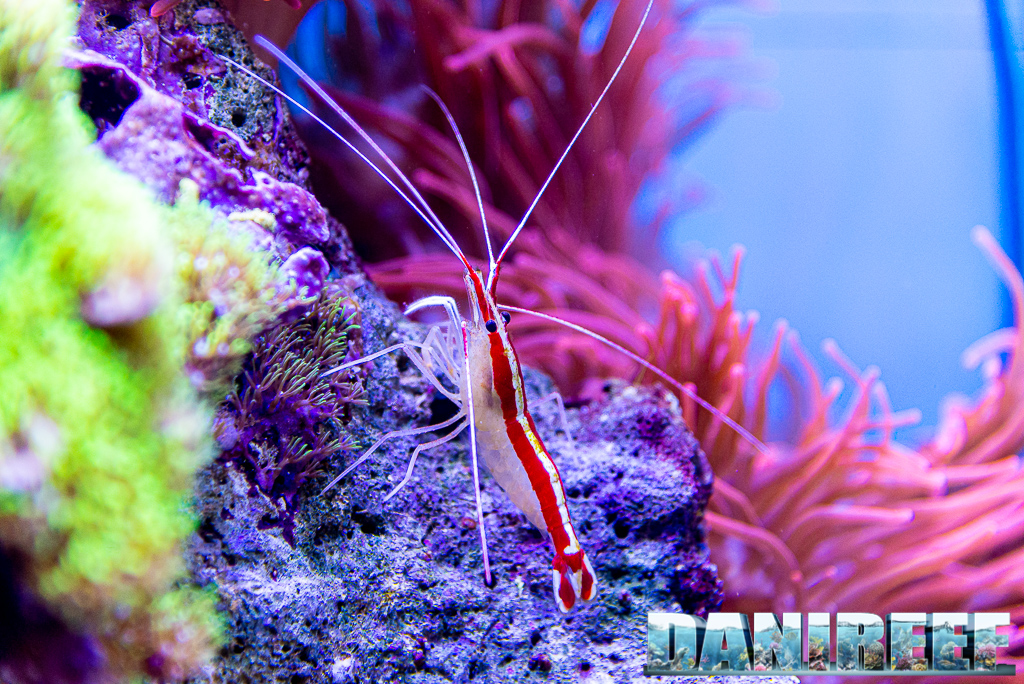
When the diatoms start to level off – usually after the third or fourth week – it is time to introduce the first detritivores. Turbo snails, urchins, small crabs and cleaner shrimps help keep algae under control and stir the sand. These animals are not just a simple “cleaning crew”: they contribute to the nutrient cycle and keep the substrate oxygenated. Adding them too early, however, would mean not having enough food for them and risking high mortality. For this reason I recommend waiting for a good algal coverage and supplementing with some zooplankton.
Avoid adding too early any species that can impoverish the nascent microfauna, such as sand stars Archaster or highly burrowing snails like Nassarius and Strombus. These animals become very useful in the more advanced phases, but in the first weeks they risk “competing” with the developing bacterial and zooplanktonic microfauna.
ICP testing: safety before invertebrates
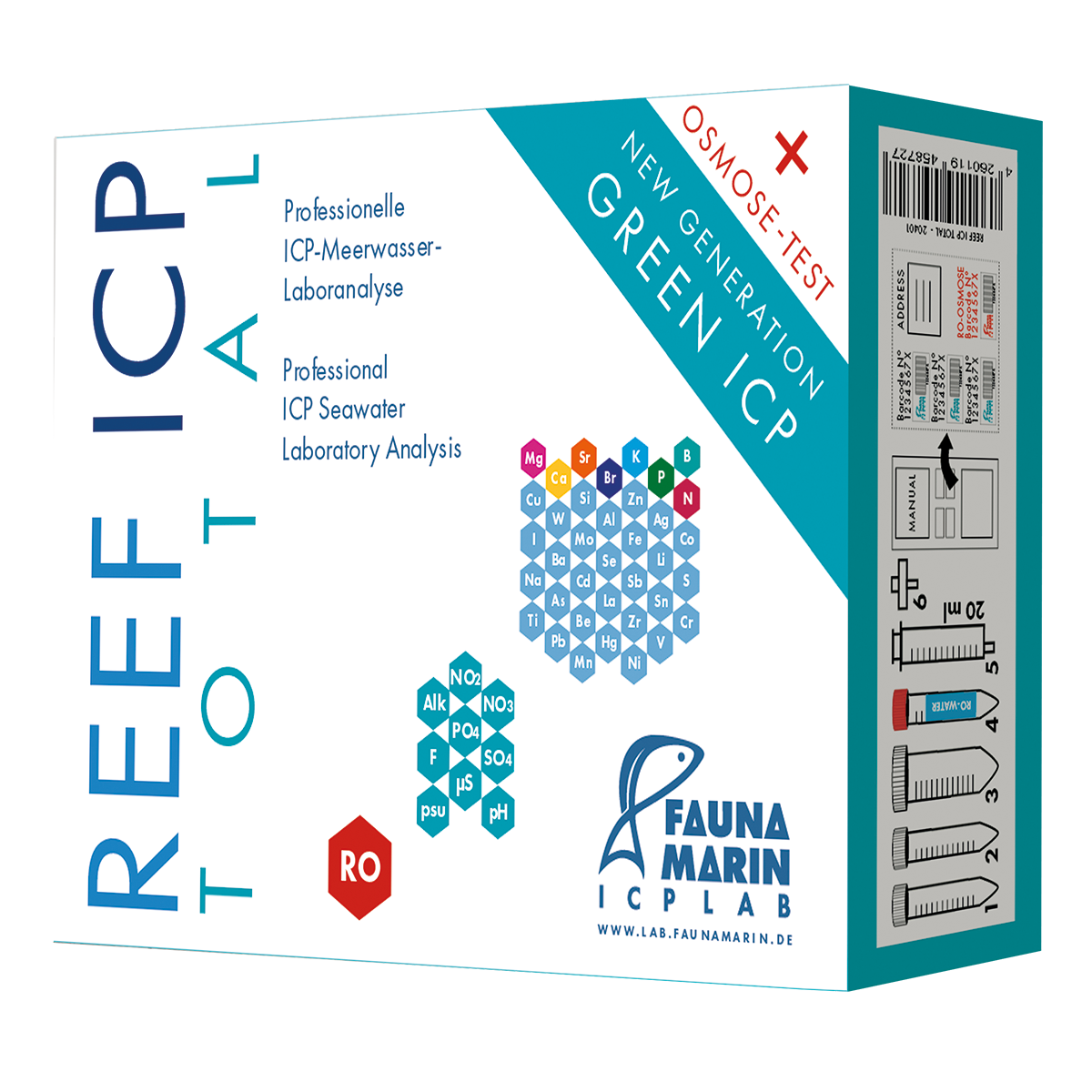
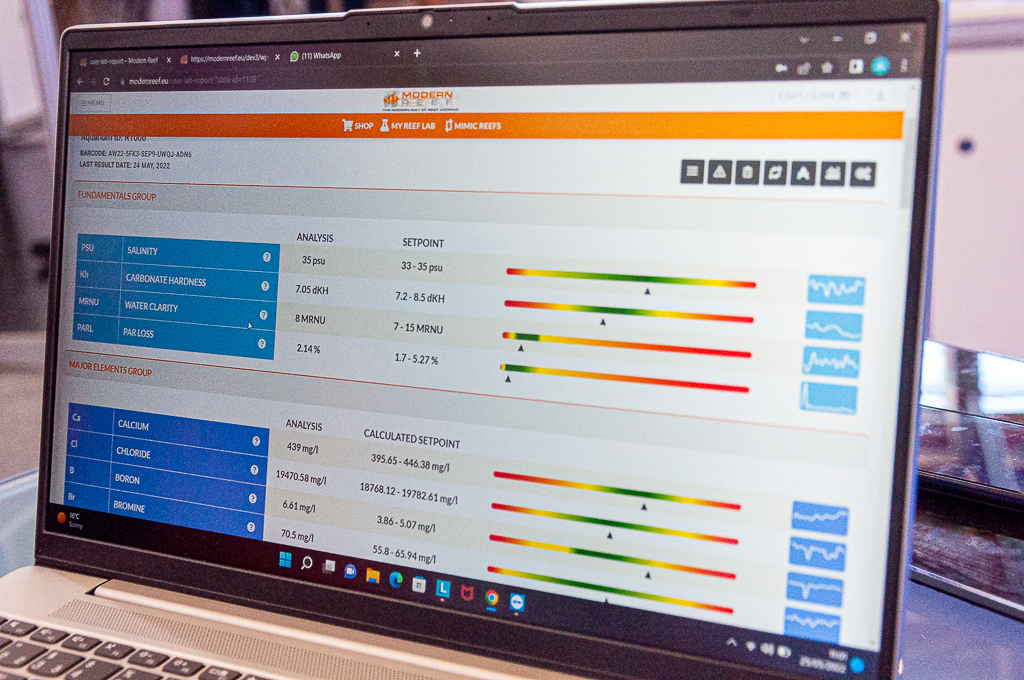
Before introducing even the hardiest soft corals, it is essential to perform at least one ICP test. This kind of analysis, more in-depth than home test kits, can reveal possible microelement deficiencies and the presence of heavy metals or pollutants. Contaminated rocks or sand, or non-certified filtration materials, may release invisible substances that can become lethal for invertebrates and corals. Running an ICP test means being sure that the water is truly ready to host the most delicate forms of life. If you have used tap water plus salt and not reverse osmosis water, it is quite normal to find heavy metals and contaminants at levels above the recommended limits. In that case, you will need to start over with saltwater prepared using high-quality RO water and salt, or with ready-made saltwater purchased from a trusted shop.
Did you know?
An ICP test performed before introducing invertebrates allows you to detect any heavy metals or microelement deficiencies that standard reagent test kits cannot reveal. It is the best safety passport for your corals.
The main contaminants to check for are usually copper, aluminum, zinc, silicon, iron and any metal coming from tap water, sand, artificial rocks or non-certified pumps.
Stability and gradual stocking
Towards the end of the second month, the tank starts to behave like a mature ecosystem. Nitrates and phosphates settle, and pH becomes stable. You can introduce the first hardy fish and other invertebrates, but always with patience. Every new inhabitant changes the biological balance: haste is the worst enemy of stability.
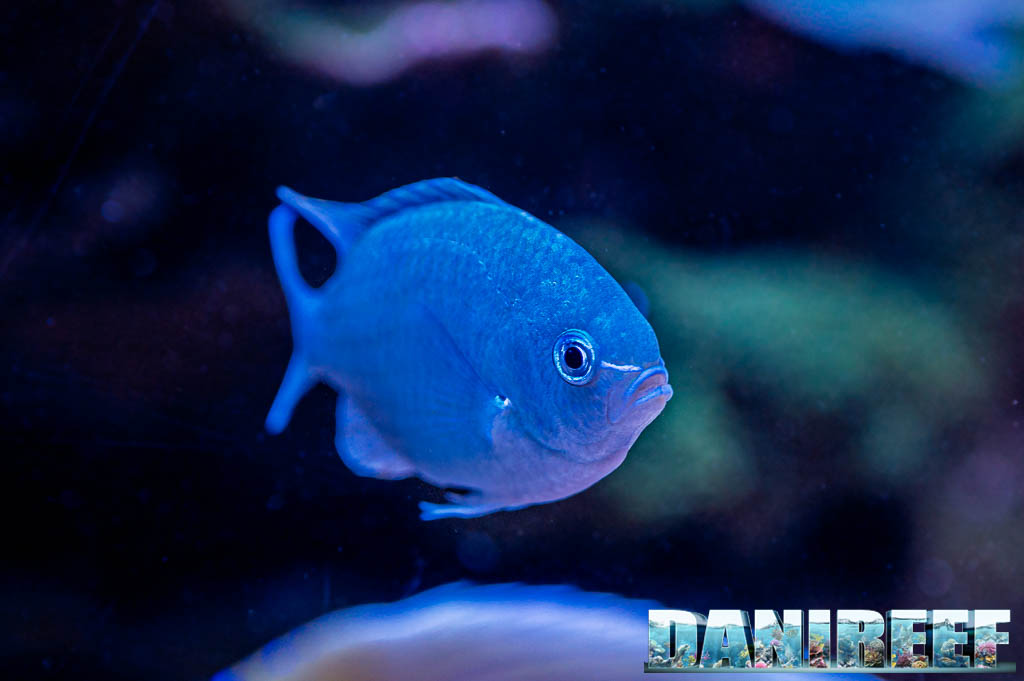
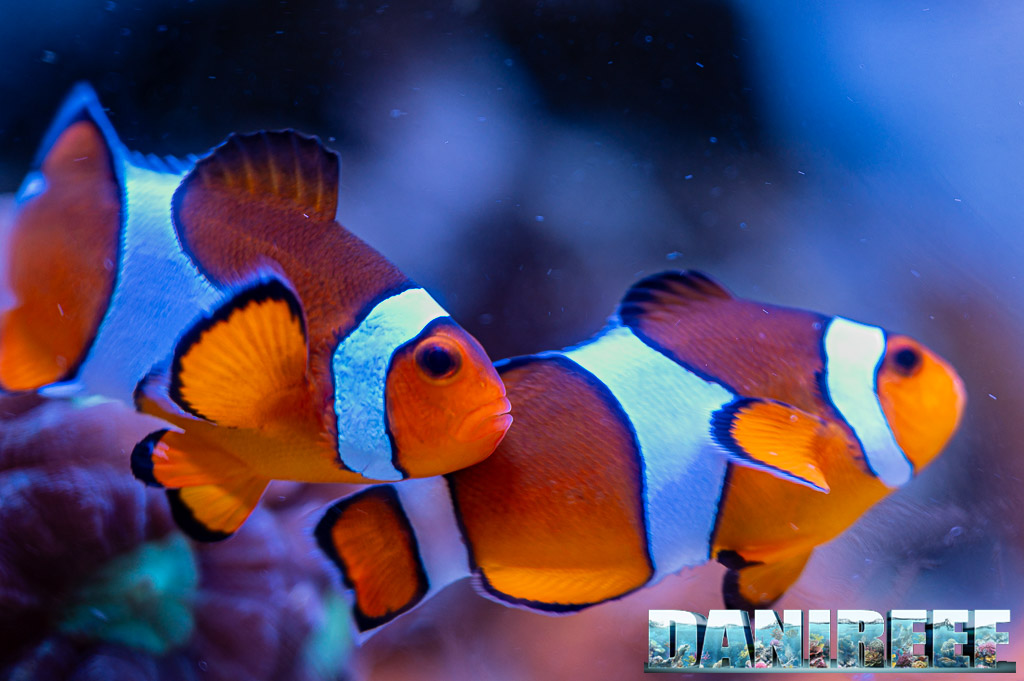
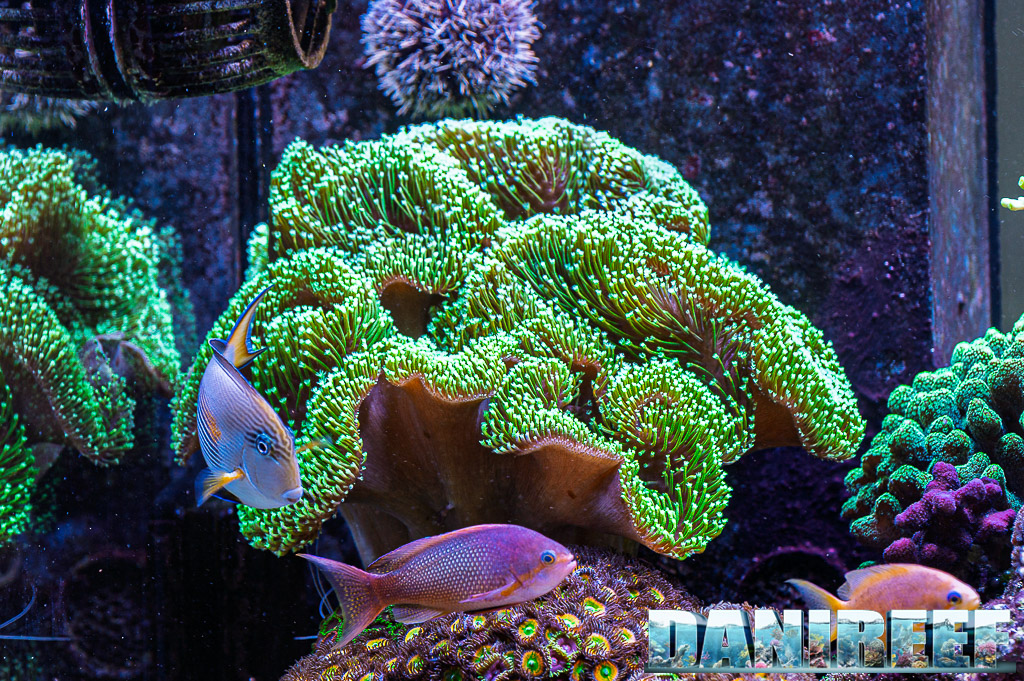
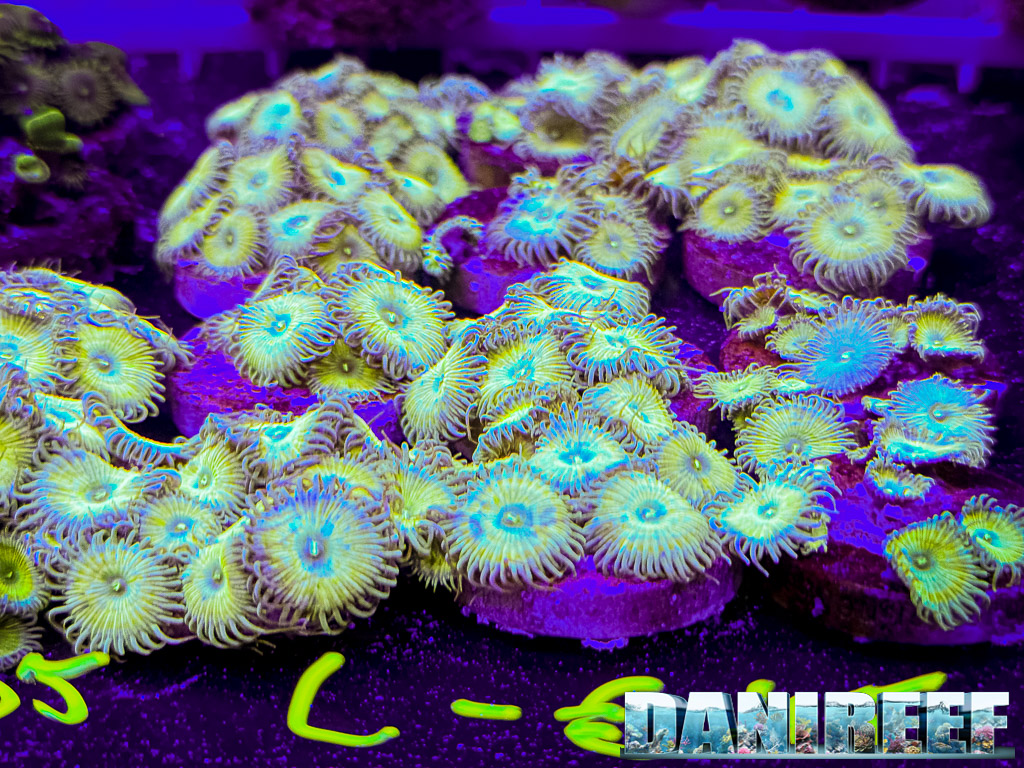

Always add only one fish at a time, or at least a very small number relative to the aquarium volume, waiting 7–10 days between each addition. Every new inhabitant changes the organic load, and the biological system must be allowed to absorb this variation gradually.
From the third month to true maturation
After three months, pioneer algae recede, soft corals expand regularly and the first signs of real growth become visible. Those who wish to keep hard corals can start more precise supplementation of calcium, magnesium, alkalinity and trace elements, while constantly monitoring their levels. At this stage the first follow-up ICP test can confirm that the chemical balance remains correct.
| Parameter | Recommended value by DaniReef | Notes for the first 100 days |
|---|---|---|
| Temperature | 25–26 °C | Avoid swings greater than 0.5 °C per day |
| Salinity | 35 ‰ (1.025–1.026 SG) | Keep stable, check with a calibrated refractometer |
| pH | 8.0–8.4 (day/night swing max 0.2) | Monitor especially during the first light cycles |
| KH / Alkalinity | 7–8 dKH | Essential for hard corals, keep very stable |
| Calcium (Ca) | 400–420 ppm | Weekly check, especially after the 2nd month |
| Magnesium (Mg) | 1250–1400 ppm | Helps to keep KH and calcium stable |
| Ammonia (NH₃/NH₄⁺) | 0 ppm | Measure 2–3 times a week during the first 4 weeks |
| Nitrite (NO₂⁻) | 0 ppm | Must be at zero before adding fish and invertebrates |
| Nitrate (NO₃⁻) | 5–10 ppm | Ideal range for soft corals and LPS in the first months |
| Phosphate (PO₄³⁻) | 0.03–0.05 ppm | Values that are too low slow down maturation |
Conclusion: patience, science and observation
The first 100 days of a marine aquarium are not just “waiting time”, but the period needed for biology to build solid foundations. Managing light gradually, adding detritivores at the right moment, checking with an ICP test before hosting corals: these steps protect the tank and turn a beginner into a real aquarist. Patience is not an optional extra: it is the most important filter in the whole aquarium.
Also read on DaniReef:
- How maturation works in a marine aquarium with the Berlin method
- Synthetic rocks: if and how to use them, a recap with 4 experts
- Having nitrates and phosphates in the aquarium, high nutrients and not measuring them with test kits
- How maturation works in a marine aquarium with the Berlin method
- Bacteria in a bottle for marine aquariums: do they really work? Comparison, alternatives and practical tips
- Keep Calm – timing and thoughts on the long maturation of the DSB
If you have questions, want to automate your aquarium or have any doubts, you can leave a comment below the article, or reach us on our social channels Telegram, Instagram, Facebook, Twitter and YouTube. If you are looking for direct, one-to-one advice, we’ll be happy to help you on our forum.
Scopri di più da DaniReef - Portale dedicato a Acquario Marino e Dolce
Abbonati per ricevere gli ultimi articoli inviati alla tua e-mail.