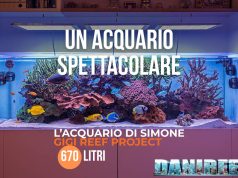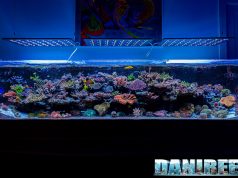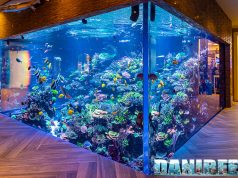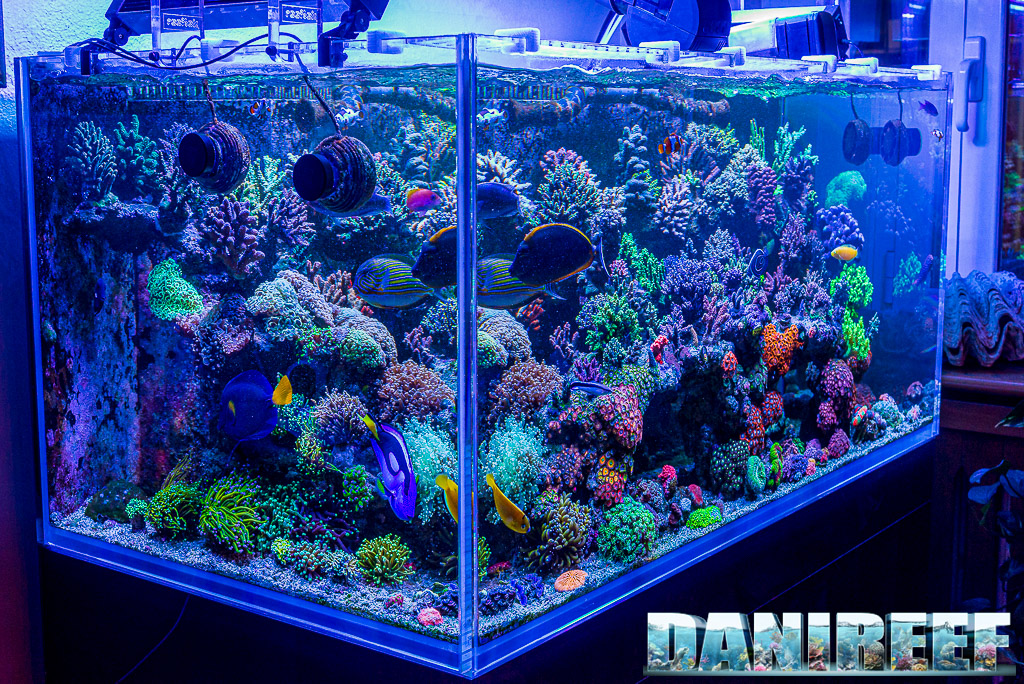

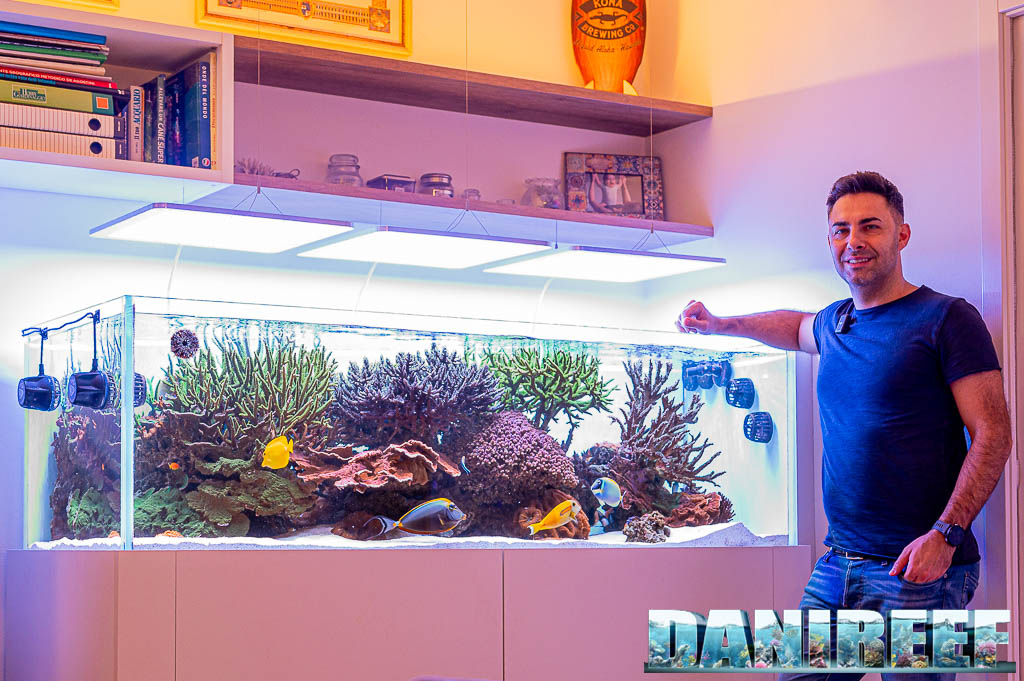
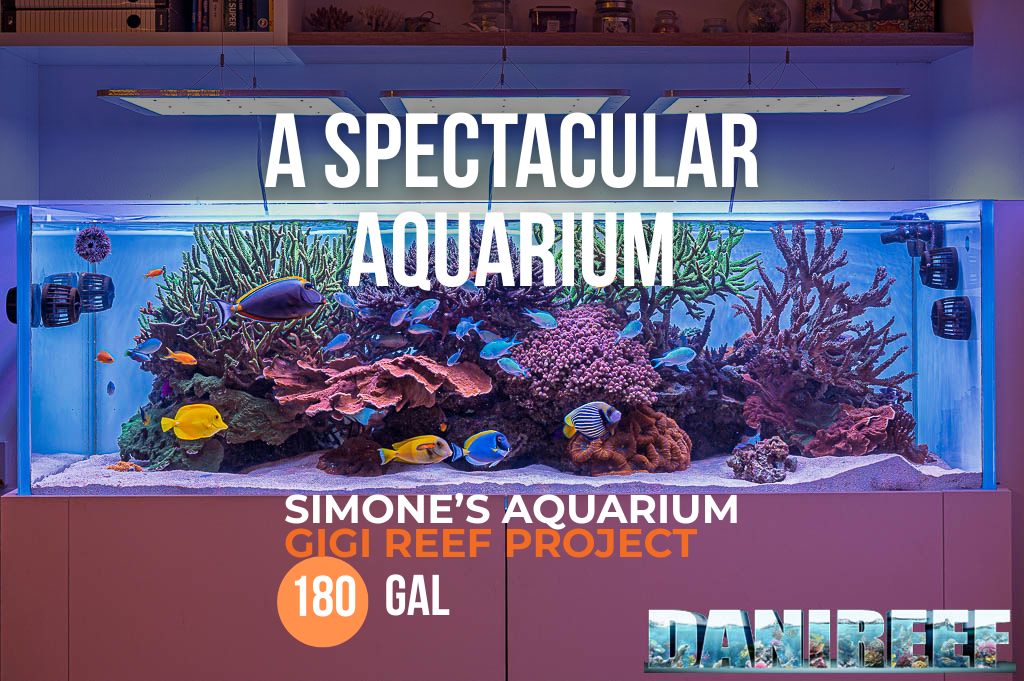
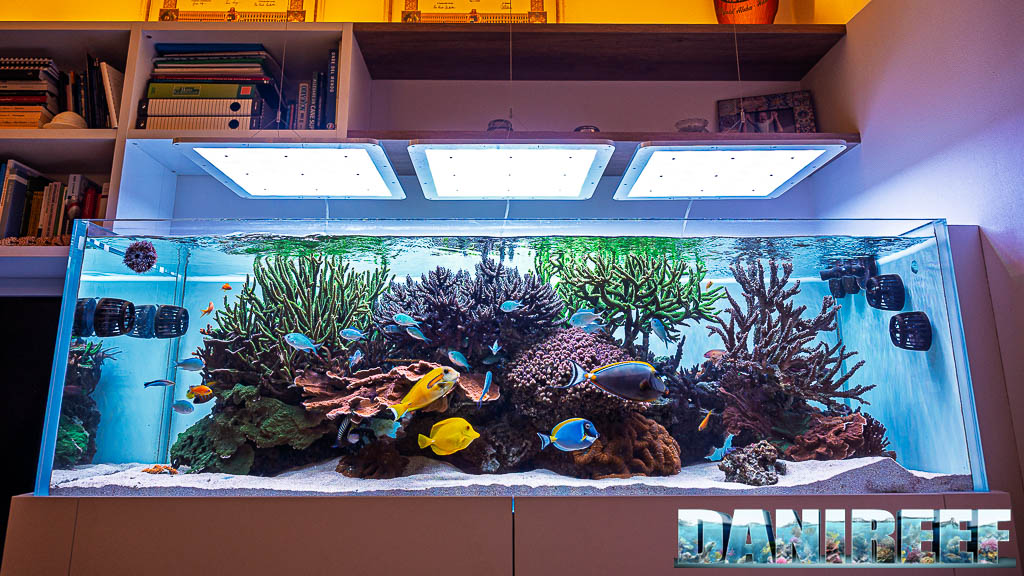
We are in San Giovanni in Persiceto, in the province of Bologna, to showcase a truly unique aquarium. The reef tank of Simone, better known online as Gigi Reef Project, is a concrete example of how dedication, planning, and love for the reef can merge into an extraordinary result.

Simone is a longtime friend and grew entirely within our forum, at least regarding marine aquariums, even though he originally started as a freshwater aquarist. We visited his tank, the same one that took part in last year’s DaniReef contest, and we were impressed not only by its size, but also by the majesty of the colonies, the aesthetic balance of the aquascape, and the meticulous care of the equipment. An aquarium that certainly does not go unnoticed.
Our video of Simone’s reef tank – Gigi Reef Project
Telling the story of an aquarium is something we’ve always done. My photos, you often say, manage to capture the soul of a tank and convey its essence. But creating a documentary takes it all to another level: it adds depth, movement, and emotion. This time, you really can’t miss the footage we shot, nor the chat with Simone, where we talk about his tank and his personal vision of a reef aquarium.
Watch the video and then come back to finish reading the article, where you’ll also find all the detailed technical information. Expand it full screen, get comfortable, and enjoy the documentary. And if you like it, leave a comment and subscribe to our YouTube channel.
Size matters: 174 cm of reef in the living room
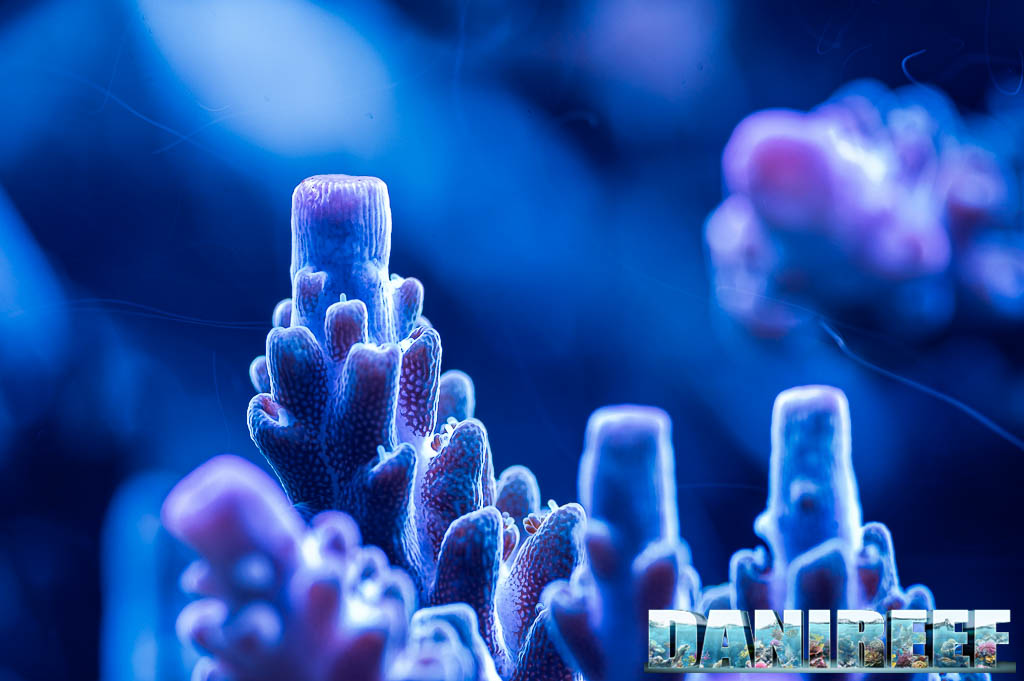
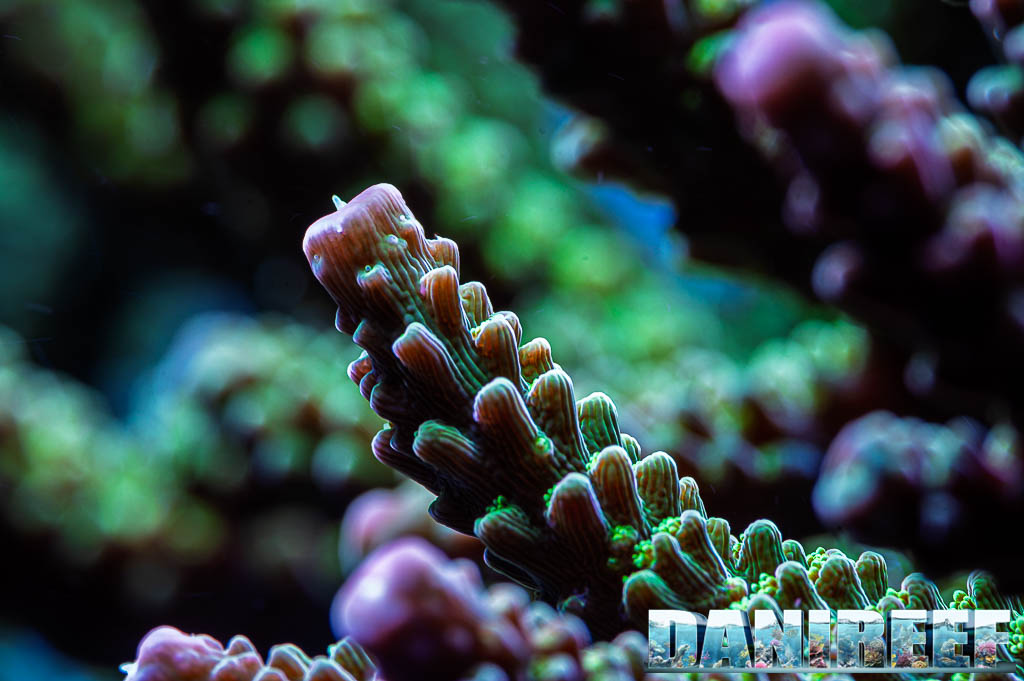
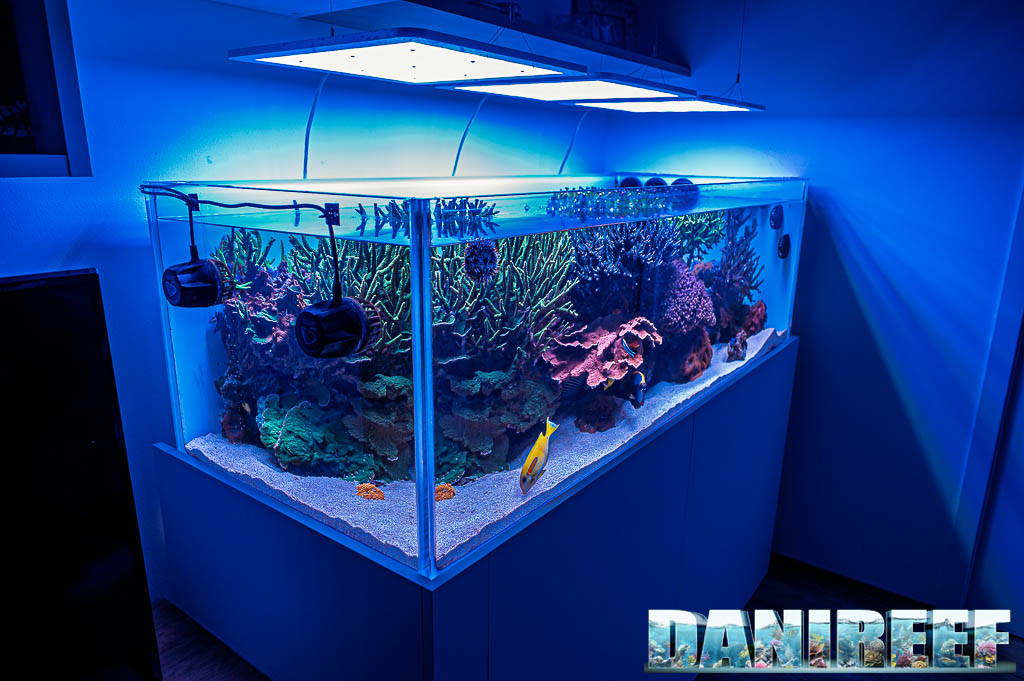
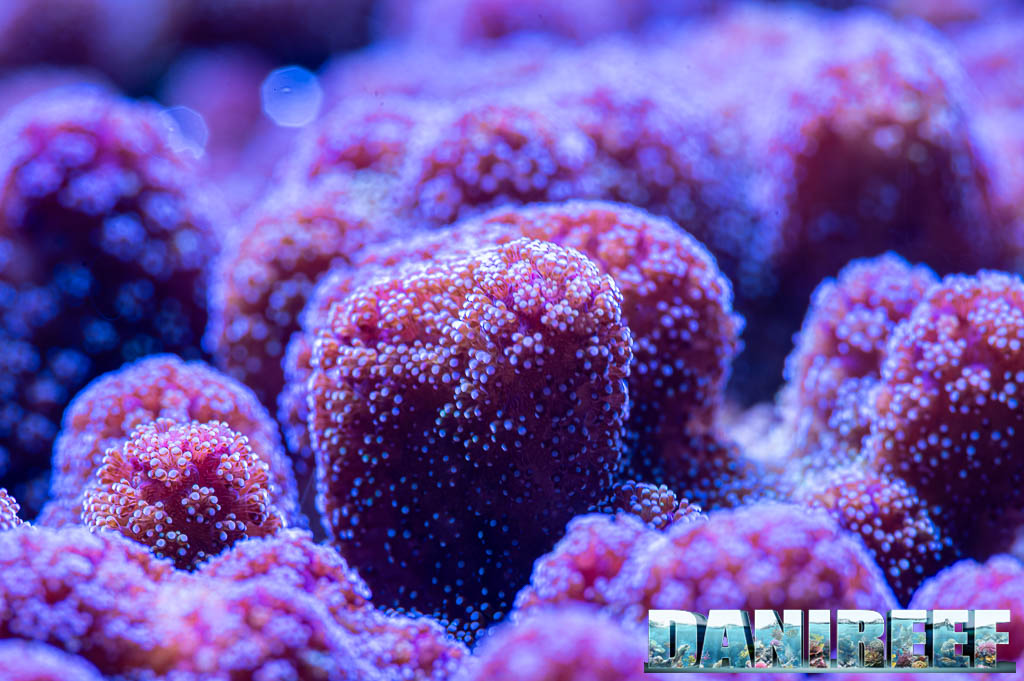
The tank measures 174 cm in length and hosts SPS colonies exceeding half a meter in diameter, within a layout guided by a clear philosophy: grow fewer corals, but make them big. “It wasn’t a conceptual choice,” Simone tells us, “I simply let myself be carried away by the natural evolution of the tank. The result, however, I really love.”
And in an aquarium measuring 174x70x55(h) cm, everything is possible.
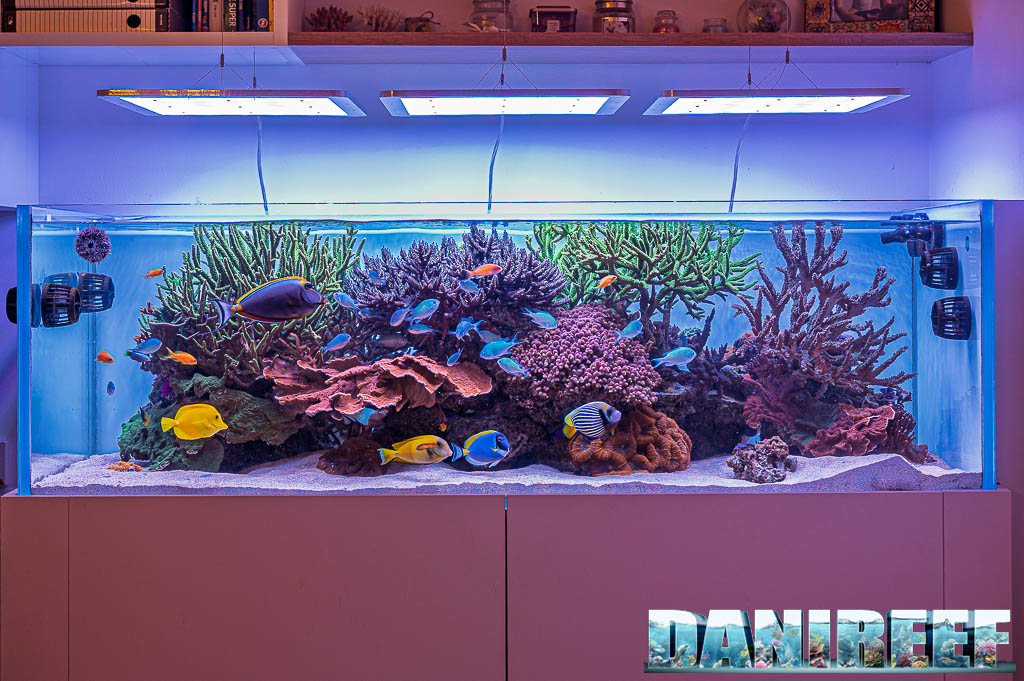
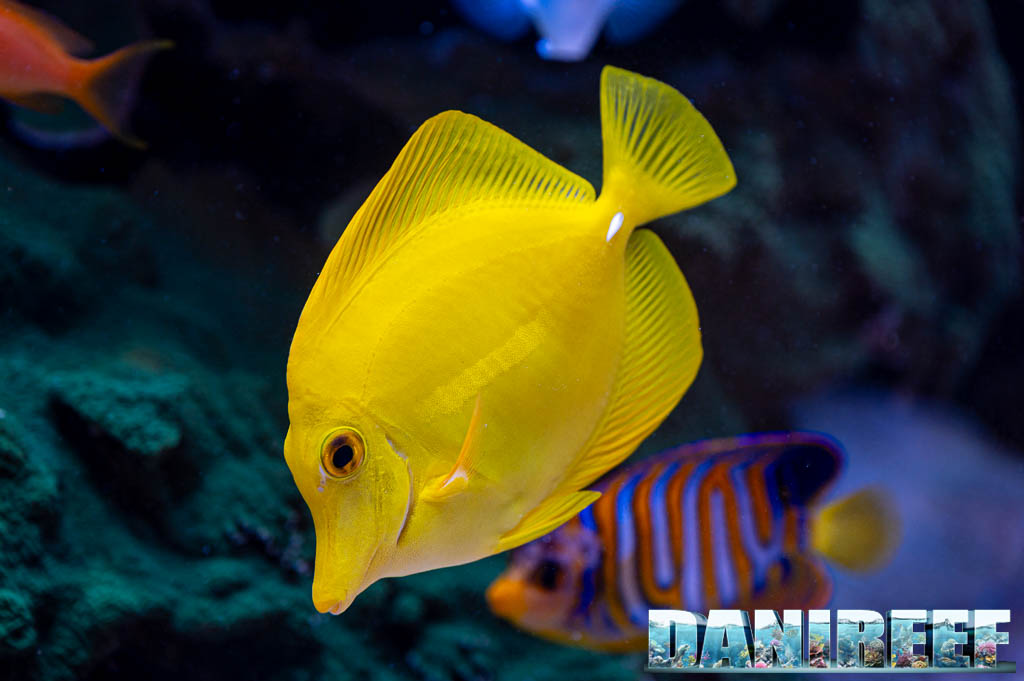
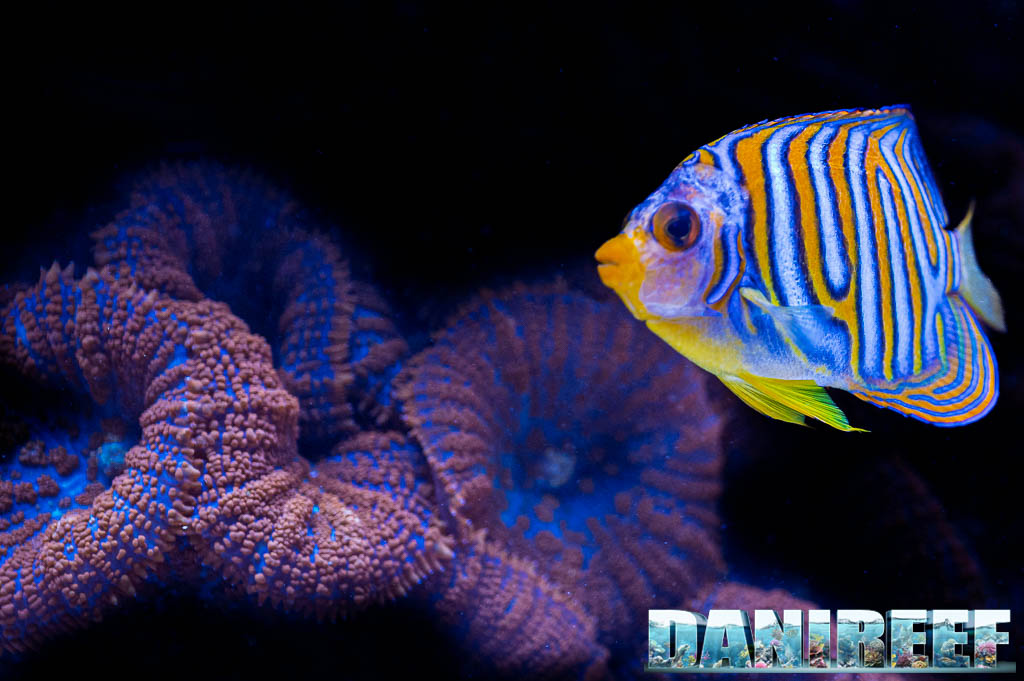
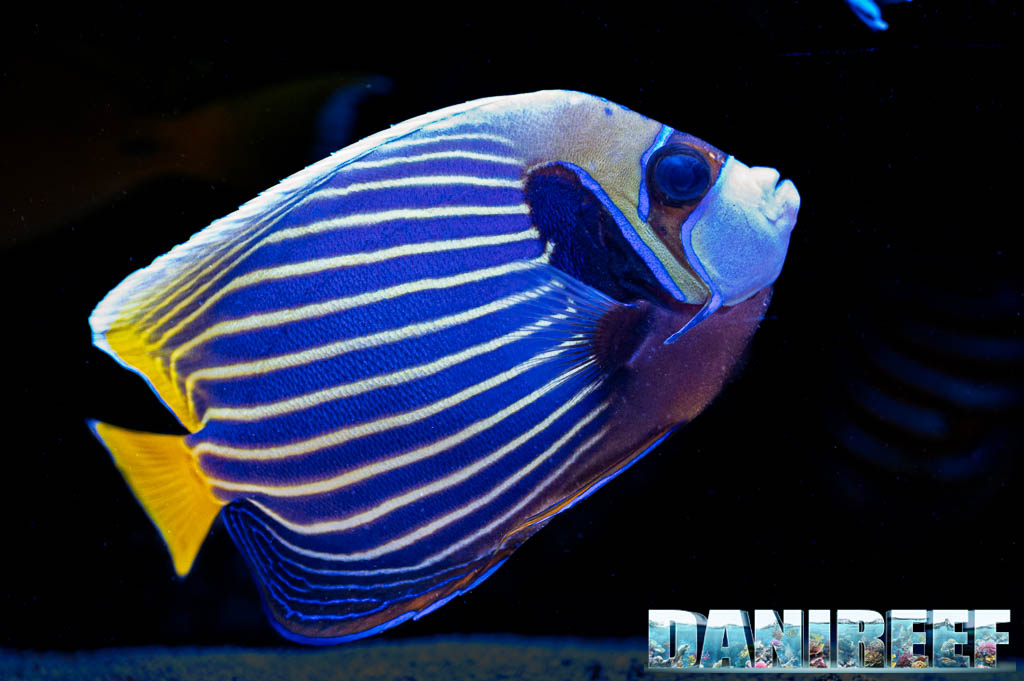
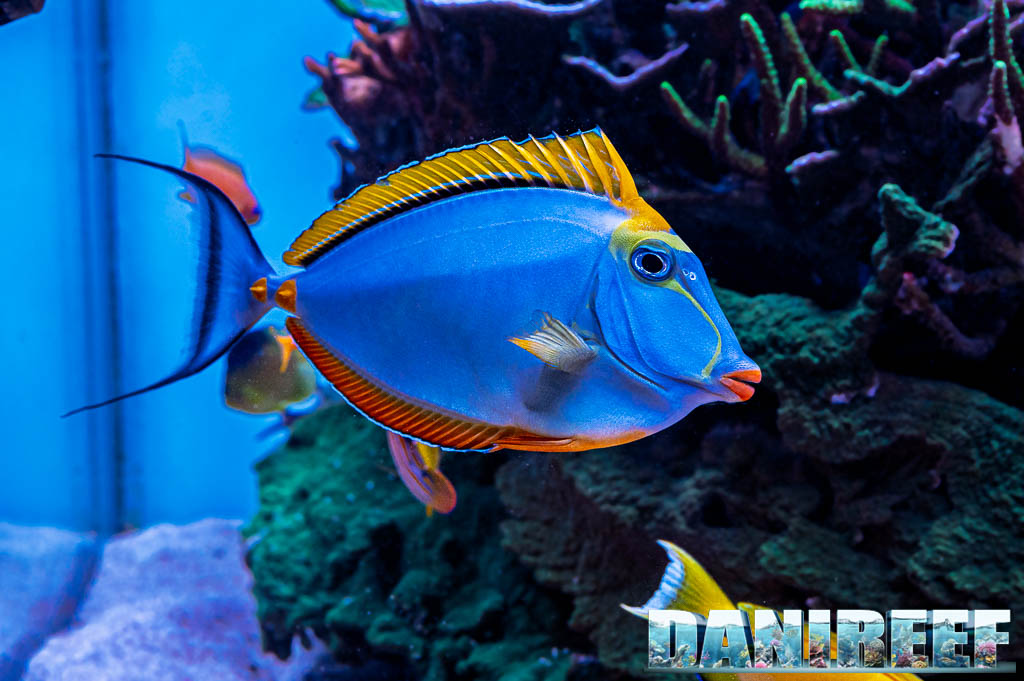
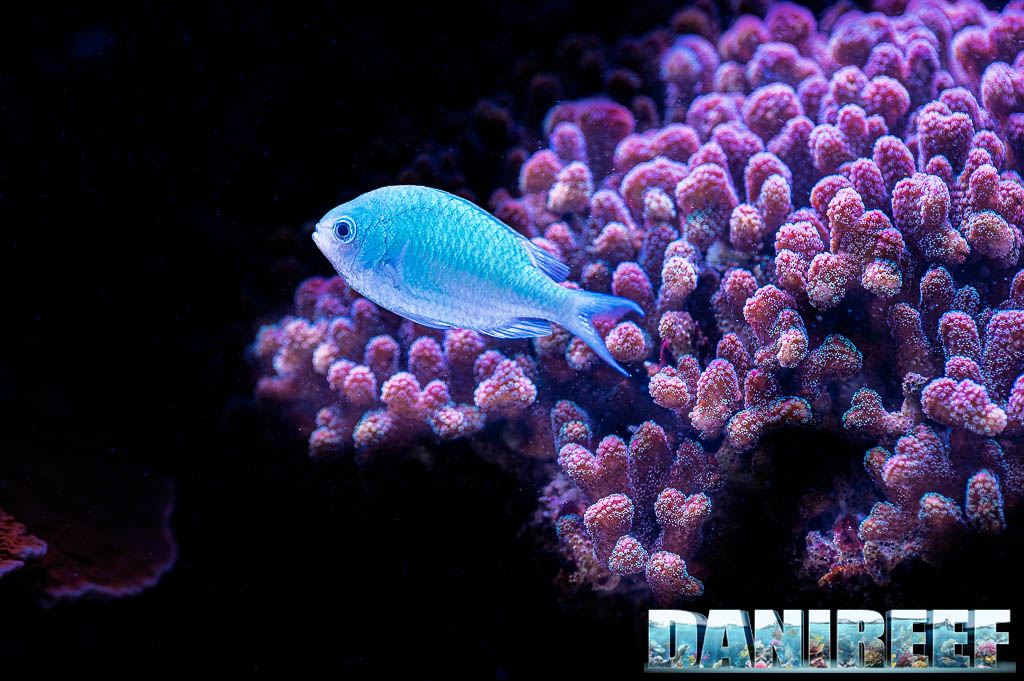
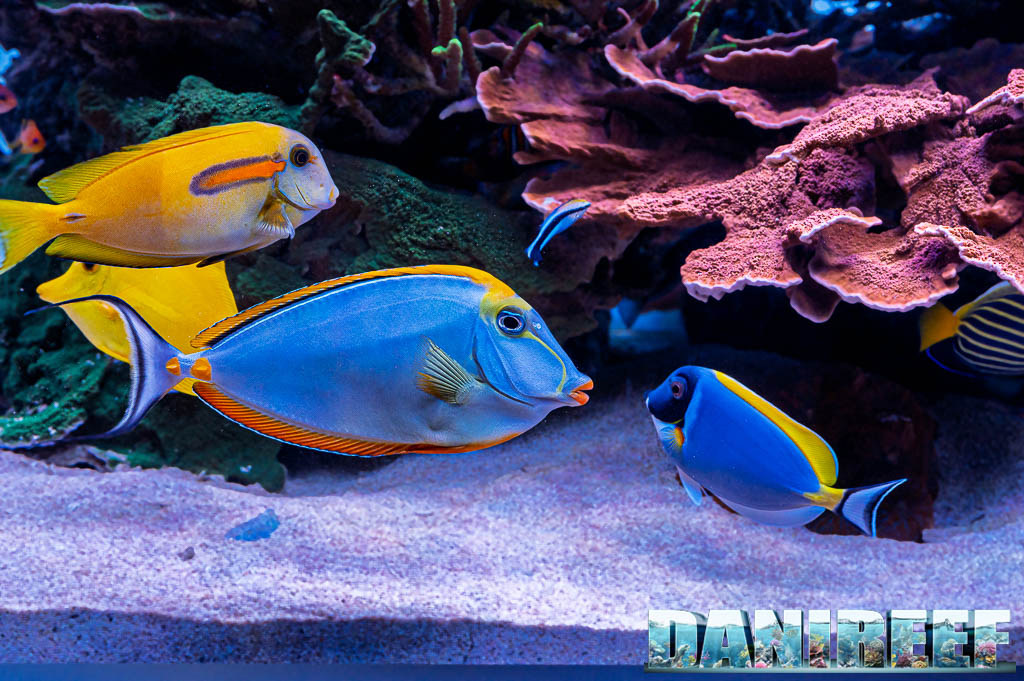
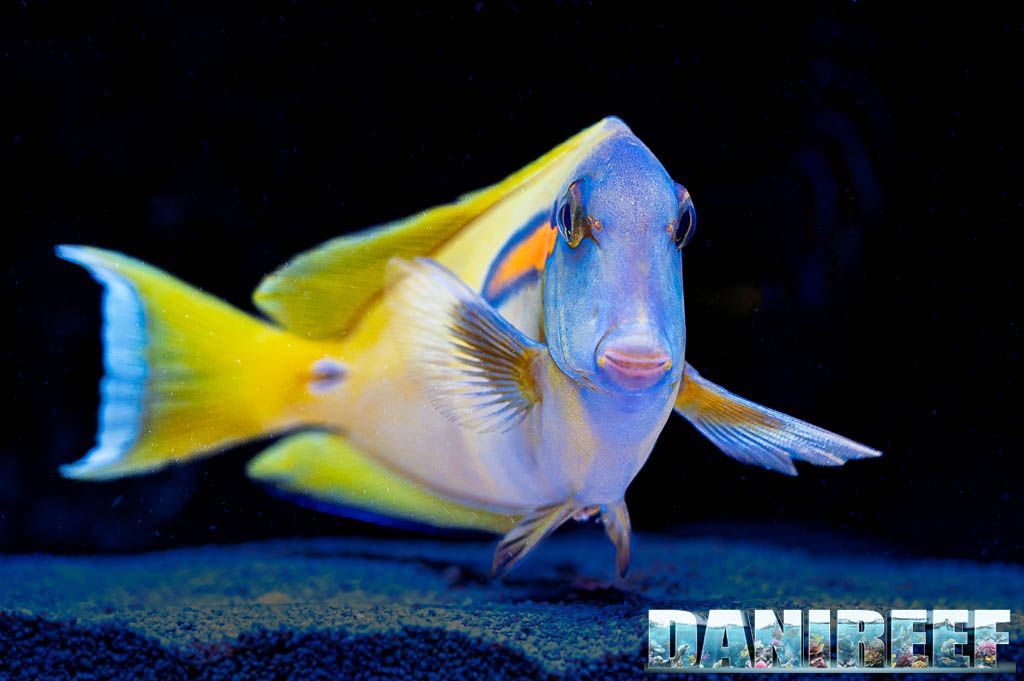
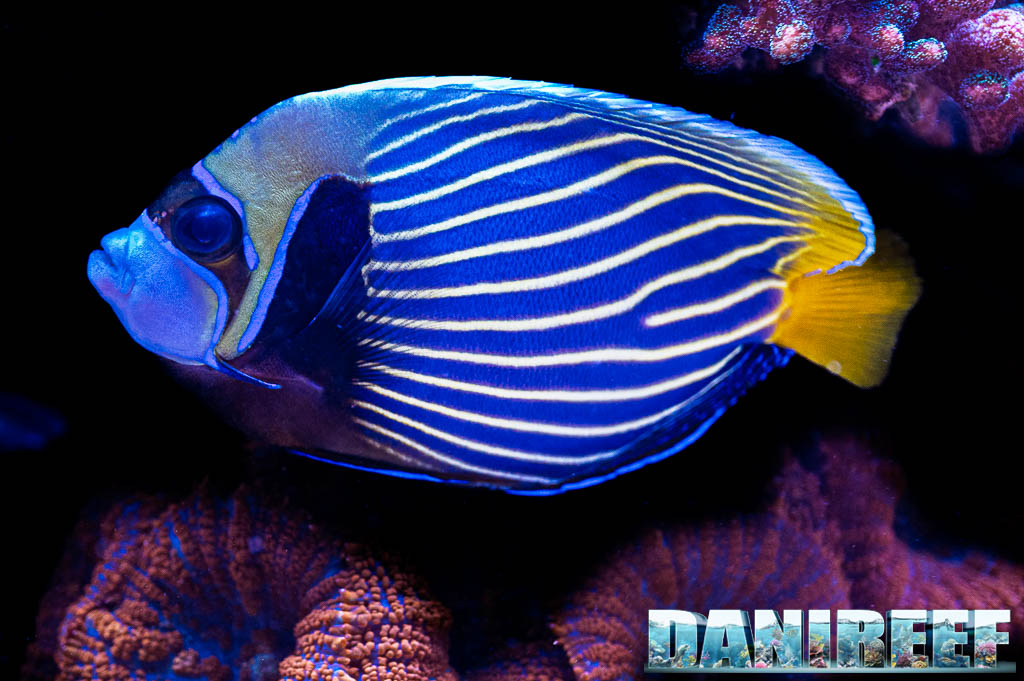
The fish population is equally important: around 50 fish, including 25 Chromis, 6 Anthias, and an interesting selection of Pomacanthids and Acanthurids. Among Simone’s favorites: the Pygoplites diacanthus, which has always been his “fish of the heart.”
Technology at the service of efficiency
Under the hood, this tank is a real war machine. Water movement is managed by four Vortech MP40 pumps, used in diagonally synchronized mode and antisync laterally, alternating between Reef Crest and Lagoon/Nutrient Mode. This ensures optimal turbulent flow, keeping noise low and distributing current evenly—a factor Simone considers fundamental for coral health.
The pumps can produce 17,000 l/h of flow and operate in pairs. Doing the math, since Simone keeps them between 40 and 70%, we’re talking about an alternating flow of approximately 23,800 l/h in a tank with 670 gross liters. This results in a turnover rate of 35.5 times the aquarium volume—an extremely high ratio, dictated and caused by the massive SPS colonies.
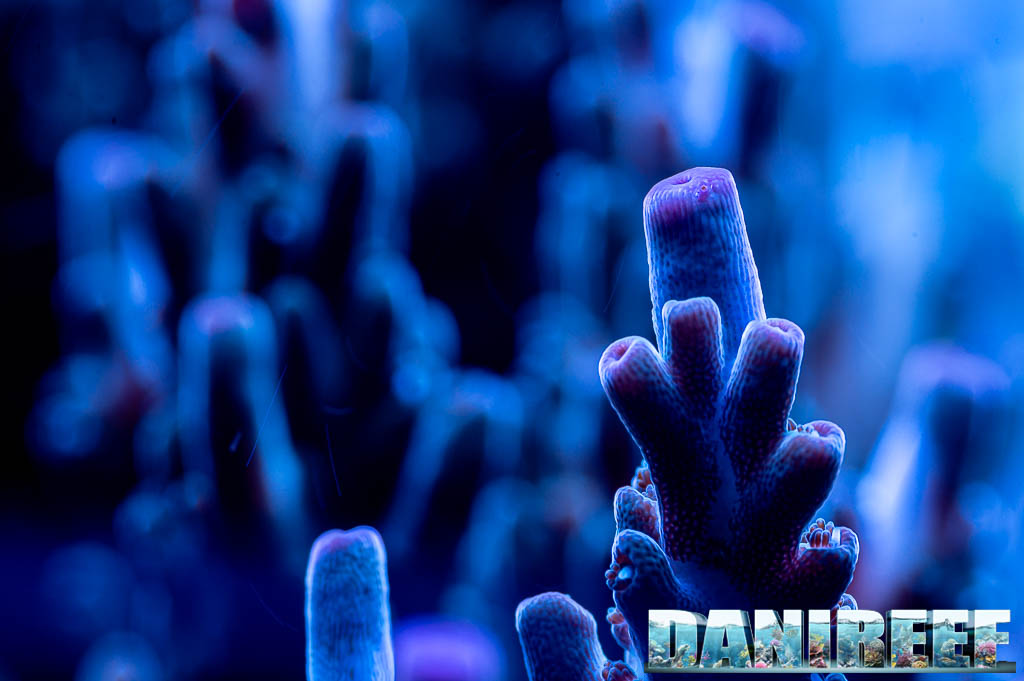
When the aquarium was in its early days, with only two Vortech pumps, one ran at full power and the other at 90%, equating to about 24% of the gross volume. A perfect value for a normal tank. But as you can see, this is not exactly a normal aquarium.
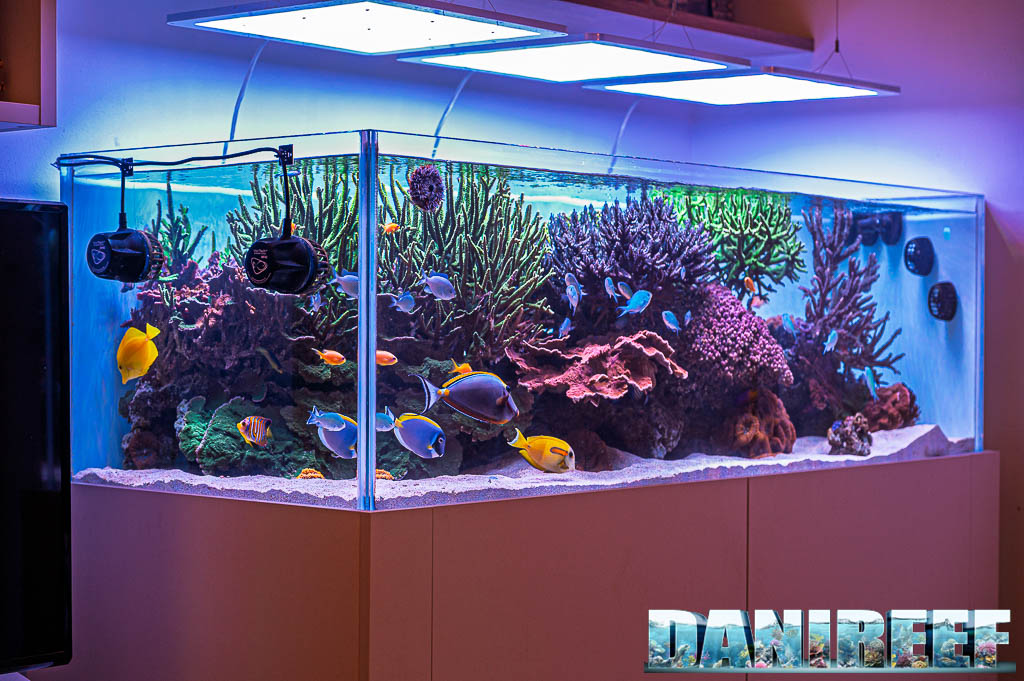
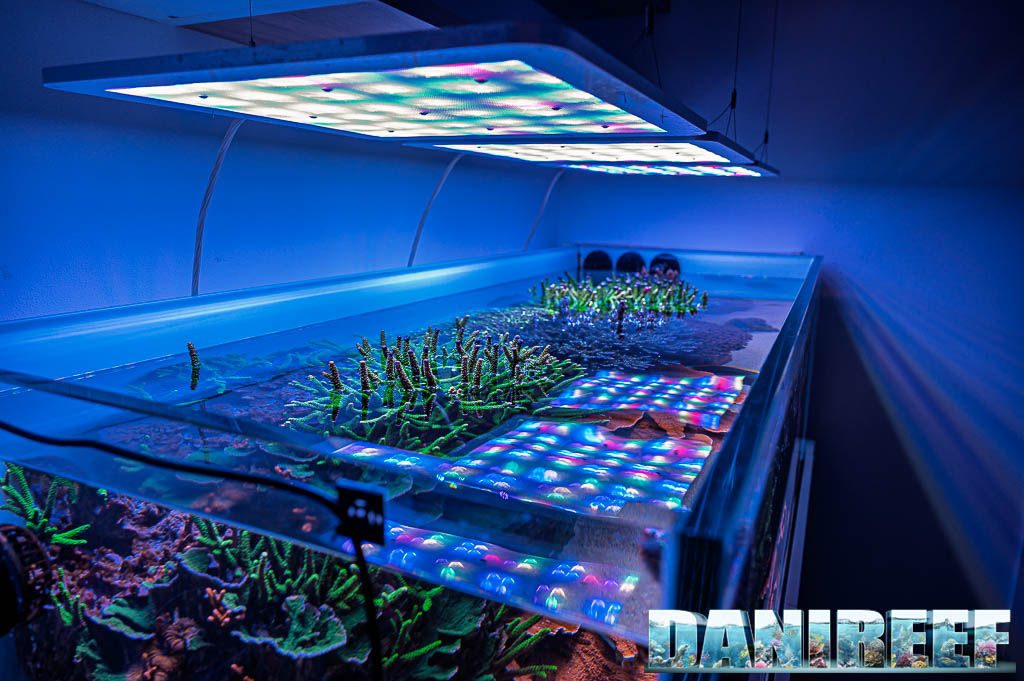
Lighting is provided by three ATI Straton fixtures, configured with blue, royal blue, and white channels at maximum, violet and green nearly at maximum, while UV and red are slightly lower. The control software may not be the most intuitive, but the results speak for themselves: growth and coloration at the highest level. At the end of the article, we’ll also look at the PAR values we measured.
The Secret Room
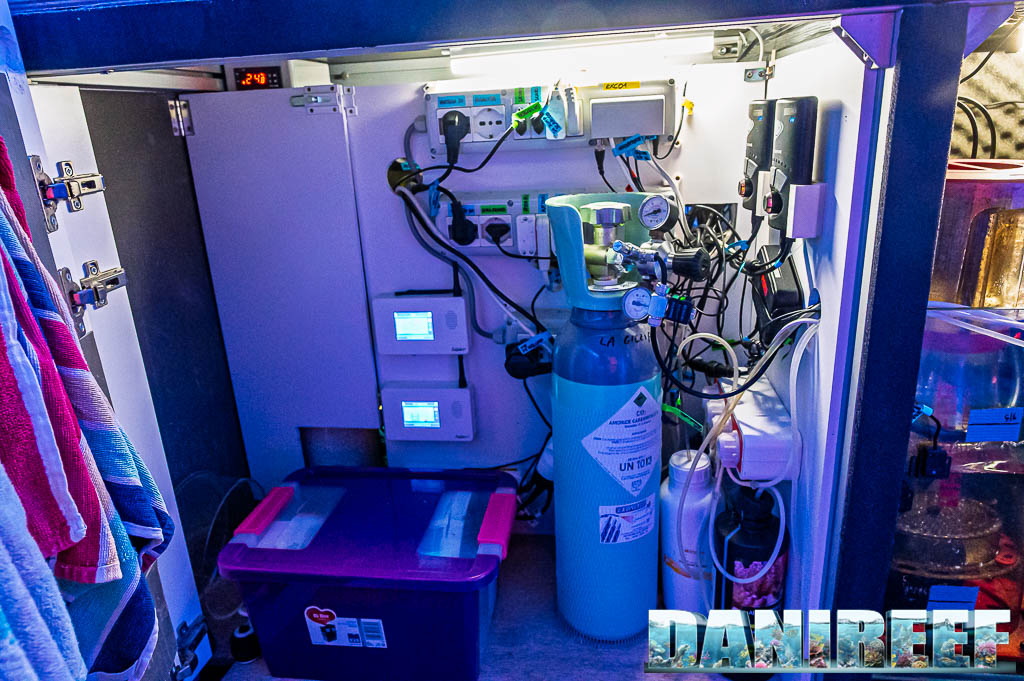
The tank is managed with a rational yet very effective approach. There’s a first sump located below the aquarium inside the stand, where the main equipment is housed. Then, additional equipment is installed in an adjacent laundry room, which we jokingly call the Secret Room. Here, the first thing you can see is an extra tank that will soon be connected to the system.
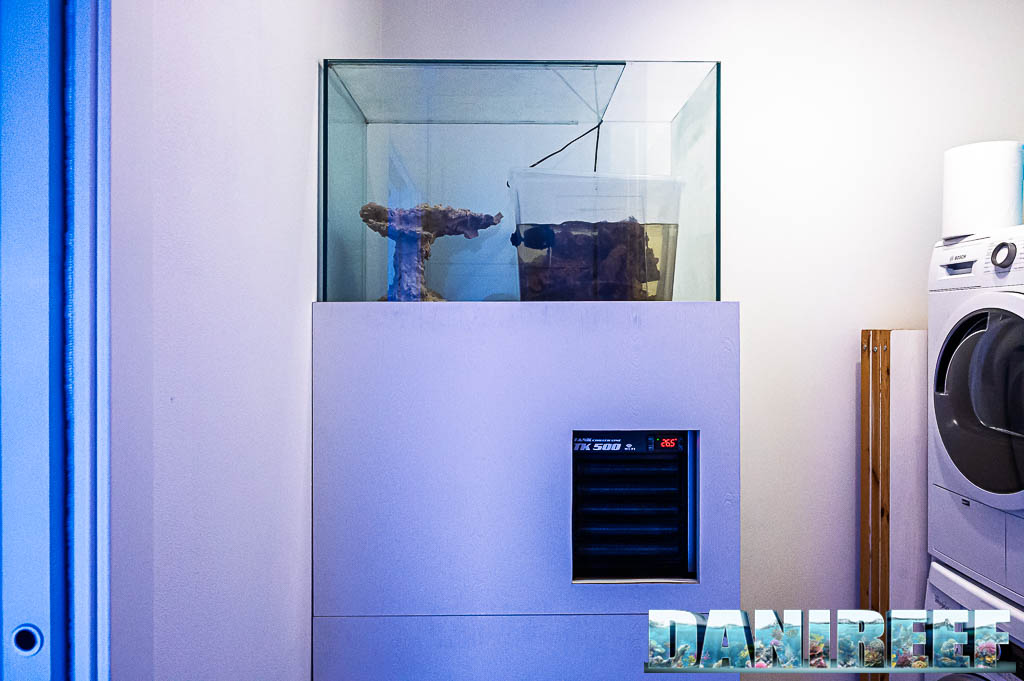
The chiller is a Teco TK500H. Its special feature is that it regulates both cooling, working as a chiller, and heating, thanks to an integrated heater. A single device that simplifies management and reduces concerns.
In this room, you’ll also find the RO system, two 100-liter containers (RO water and saltwater), and a semi-automated water change system, fully managed by Aqua go. This system, completely automated with level sensors, allows Simone to handle water changes and RO water production without lifting a finger, preventing floods and waste. “I had quite a few mishaps before getting to this point,” he tells us with a laugh.
In the sump: efficiency and practicality
The sump is very large but organized extremely efficiently. Inside you’ll find practically everything—and everything fits together perfectly. I wouldn’t even know where to put my hands, let alone how to keep it all this tidy.
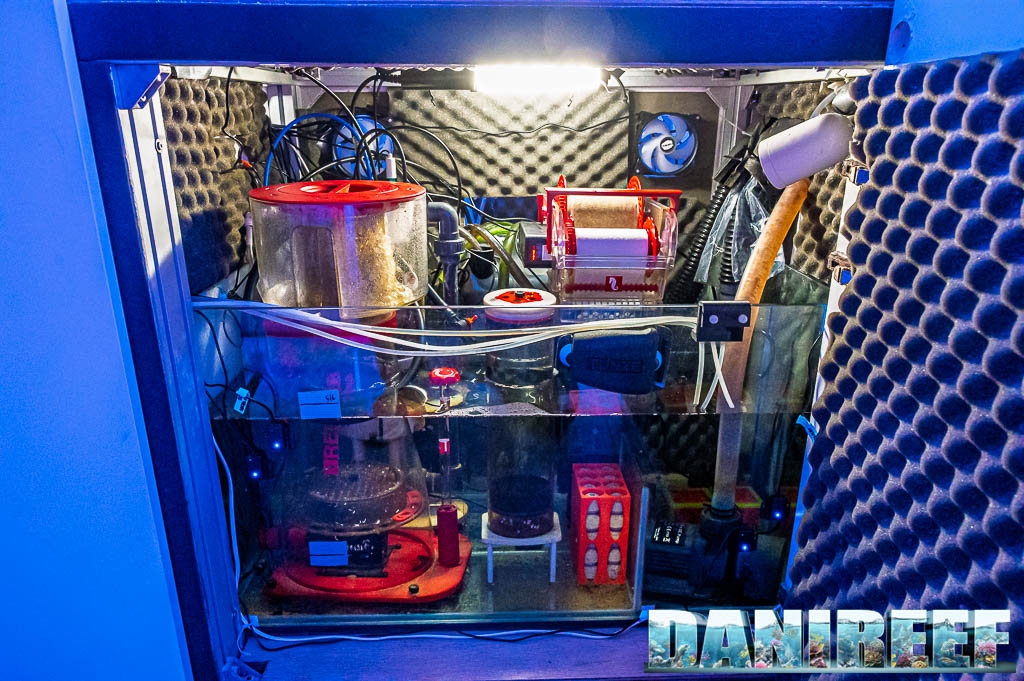
The current return pump is a Jebao DCP 8500, which recently replaced a Hydor Seltz 9000 after years of loyal service. The flow rate measured with our device, the flow meter DigiSavant DIGIFLOW 6710M, came out to 2,196 l/h. Considering the aquarium’s gross volume of 670 liters, that means an hourly turnover of about 3.3 times—well beyond what the skimmer requires.
The skimmer is a Red Sea RSK900, chosen for its ease of maintenance and solid performance; we had tested its smaller brother, the RSK600, and were thrilled with it. The technical specs indicate an air draw of 900 l/h and a processed water flow of 2,000 l/h. In this context, the real return pump flow of 2,196 l/h seems perfectly sized.
Calcium and alkalinity are currently managed by an UltraReef UCS140 calcium reactor, loaded with 70% coral media and 30% Triton CARX. We tested this reactor with excellent results; a pity it’s now out of production. Given the difficulty of sourcing coral media, as Simone mentions in the video, he’s considering a different approach for the future.
Rounding out the technical setup: a Red Sea ReefMat 500 roller filter—also reviewed on our pages—though it should be noted that Simone’s unit seems to have a minor issue with the fleece winding. There’s also an 18 W NEWA UV sterilizer, a fluidized bed with anti-phosphate resins, and Korallen Zucht activated carbon.
Advanced automation with Aqua Go
Simone chose Aqua Go as the heart of his automation system. Beyond controlling the pH probe for the calcium reactor, it manages flood sensors, blackout protection, dosing of phytoplankton and zooplankton, and the entire water-change routine. It’s a shame that Aqua Go has left the market, because it offered a lot for a low price and, in doing so, unfortunately left some issues unresolved. Here is our review of the system—Aqua Go aquarium controller – in-depth review.
The setup also includes a UPS able to guarantee about 40 minutes of backup for the return pump, though it’s currently out of service—knowing Simone, it will be back online soon.
Biology and maturation
The tank was started in October 2021 with D-D Aquascape dry rock, initially matured using the Daphbio protocol. The first months were challenging, with very low parameters and a long battle against dinoflagellates, defeated after months of UV, peroxide, and plenty of patience. A total of 80 kg of rock was used which, for a gross volume of 670 liters, means 1 kg per 8.3 liters—a very high value, almost double what is common in today’s aquariums. We would therefore expect extremely high oxidation values.
Feeding fish and corals
Feeding the fish is essential, and right now Simone alternates three different brands to keep the diet as diverse as possible in his reef tank. The lion’s share goes to BEA, with four fish foods:
- BEA Colors: pellet feed rich in krill and carotenoids, ideal for enhancing pigmentation thanks to natural antioxidant action;
- BEA Growth: high-protein pellet feed, rich in fish eggs, ideal for juveniles, predators, and fish in reproduction;
- BEA Detox: pellet feed based on algae, activated carbon, and zeolites, ideal for supporting fish under stress or disease;
- BEA Immuno: pellet feed rich in plant extracts, useful for stimulating the immune system and supporting fish under stress or disease;
We should also mention Elos SVM2, a reddish, irregular-grain feed rich in fresh marine ingredients, enriched with astaxanthin, beta-glucans, and vitamins. And Ocean Nutrition Formula One & Two: the former is a staple food with higher protein content, while the latter is expressly dedicated to herbivorous fish. On this topic, we published an in-depth article a few months ago: Feeding Acanthurids in reef aquariums.
As for corals, the brands narrow to two, and Simone remains loyal to BEA and Elos. From the former, he uses BEA Coral Boost, a freeze-dried powdered food made exclusively of high-quality freeze-dried zooplankton that closely reproduces corals’ natural diet. From Elos he uses Sience M1, natural plankton granules supplemented with Omega 3 and Omega 6 fatty acids, beta-glucans, and vitamins A, C, and E.
Current values, target values, and latest supplementation
The aquarium currently shows a set of parameters that need optimization, so let’s look at the present water values and where Simone wants to take them:
| Parameter | Value |
|---|---|
| Nitrates (NO₃) | 20 ppm |
| Phosphates (PO₄) | 0.16 ppm |
| KH | 6 |
| Calcium (Ca) | 390 ppm |
| Magnesium (Mg) | 1400 ppm |
Obviously, these aren’t the values Simone aims to maintain. First of all, the triad needs to be increased, especially calcium and alkalinity, while for dissolved nutrients Simone would like nitrates between 5–10 and phosphates between 0.05–0.1. The goal is to balance low nutrients with coral needs. Stability is the priority, so he’s not interested in making rapid corrections.
To achieve this, Simone uses Rowaphos media—well known to most of you—in a fluidized bed and in a strictly scientific way, i.e., using the calculator on the Rowa website. In addition, Simone uses Korallen Zucht activated carbon, changing it monthly.
Measuring PAR
During our visit we measured the PAR produced by the ATI Straton fixtures as usual. Since these lights were also tested in our DaniReef LAB (ATI Straton analyzed in the DaniReef LAB – performance), we can also compare the lab numbers with the real-world results over a reef tank.
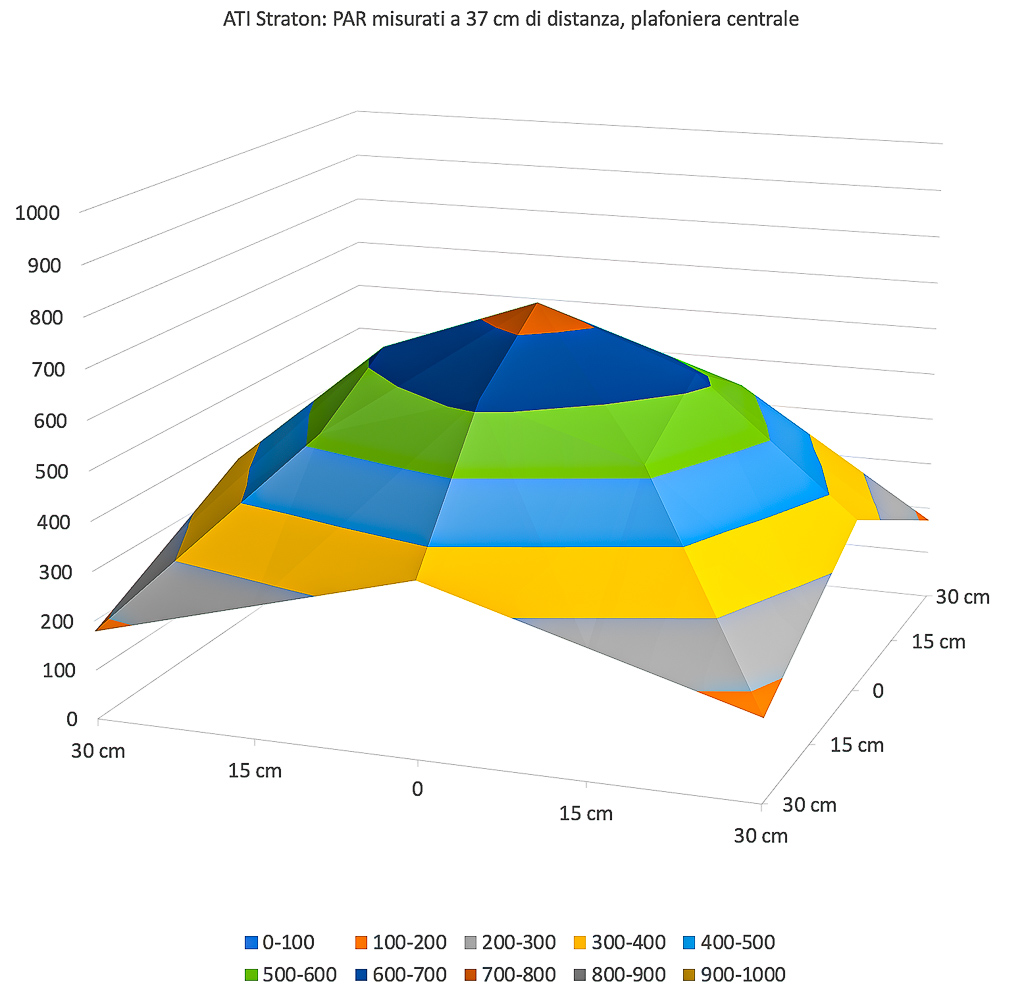
In our lab, at about 37 cm, we recorded a PAR peak of 743 μmol m-2 s-1. In the tank, we measured a peak of 850 μmol m-2 s-1 at the colony tops, dropping to 250–300 μmol m-2 s-1 in off-center areas near the sand.
Values were measured with our Apogee Quantum Meter MQ-510. It’s just a pity we didn’t yet have the new ITC ParWise PRO at the time, which would also have allowed spectral measurements.
To give you a sense of what these numbers mean, the next image shows the SPD (µmol/m²/s) values in a tropical sea—that is, PAR. We find that such intensity, about 850 PAR, occurs at around 6.5 meters below the surface in the ocean. That’s an excellent value in an aquarium.
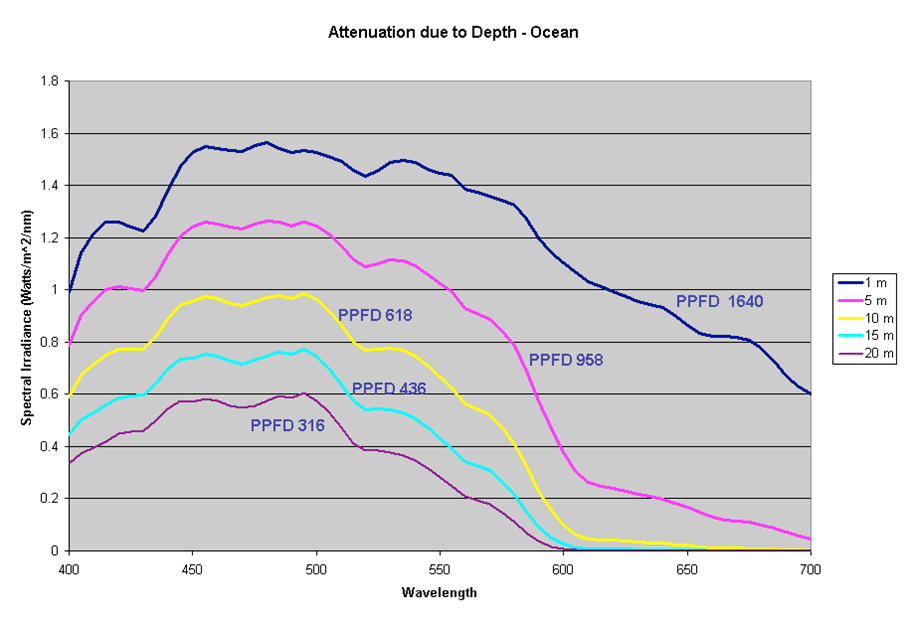
At the bottom, with about 250–300 PAR, we would be roughly 20 meters below the surface in the sea. So, 14 meters in the ocean become 50 cm in the aquarium. Quite a difference, isn’t it?
DaniReef’s take
I say this a lot—true—but this tank is insanely beautiful. Very natural, full of fish, with huge, highly branched colonies—just how I like it. Perhaps the only trade-off is that with colonies of this size, there are fewer different species of corals. But that’s the nature of the choice. For me, Simone’s aquarium is—and remains—spectacular, curated down to the smallest detail.
It’s a perfect example of how solid technique, combined with passion, can turn a home tank into a true slice of living coral reef. Precise management, careful aesthetics, and a well-balanced system make this, in my humble opinion, one of the most beautiful aquariums ever featured on DaniReef.
Two key numbers to remember: a peak of 850 PAR and flow equal to 35× the tank volume, in a 670-liter aquarium.
In Simone’s reef—aka Gigi Reef Project—we’re looking at near-total technical perfection. A textbook aquarium that holds your gaze for a long time.
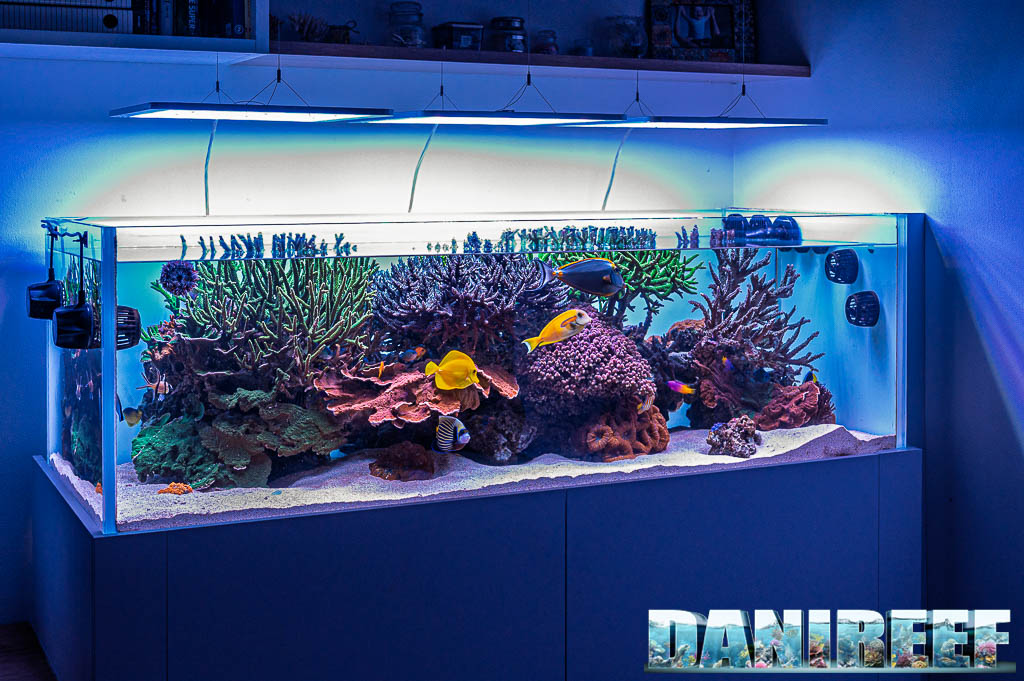
It’s hard to find flaws in this spectacular marine aquarium; perhaps the only “flaw,” if we can call it that, is that it didn’t manage to win our Contest last year—because it deserved it. And, as mentioned, the sheer size of the colonies limited species variety.
You can find Simone on our forum at forum.danireef.com, where he documented the tank’s evolution step by step, starting from this post. And if you want to see every detail and hear all the behind-the-scenes stories, don’t miss the full video on our YouTube channel!
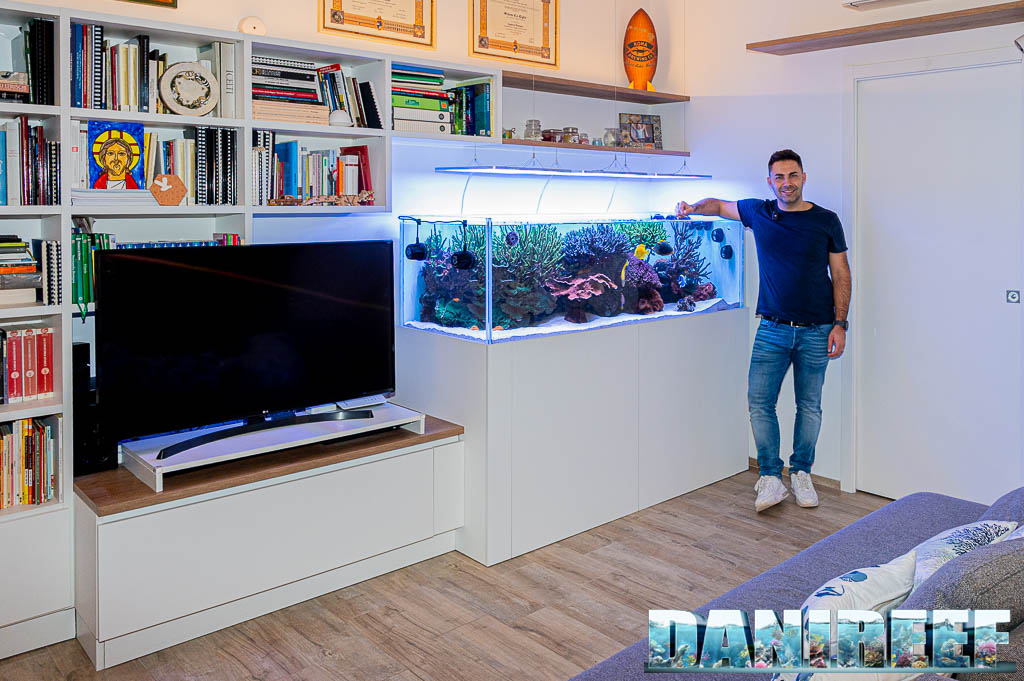
For beautiful photos and videos—and to get to know Simone better—head over to his Instagram channel. You can also chat with him and ask any questions you like. Or ask here in the comments, on our social channels—Telegram, Instagram, Facebook, X—and YouTube, whichever you prefer. And if you need help, we’ll be waiting for you on our forum.
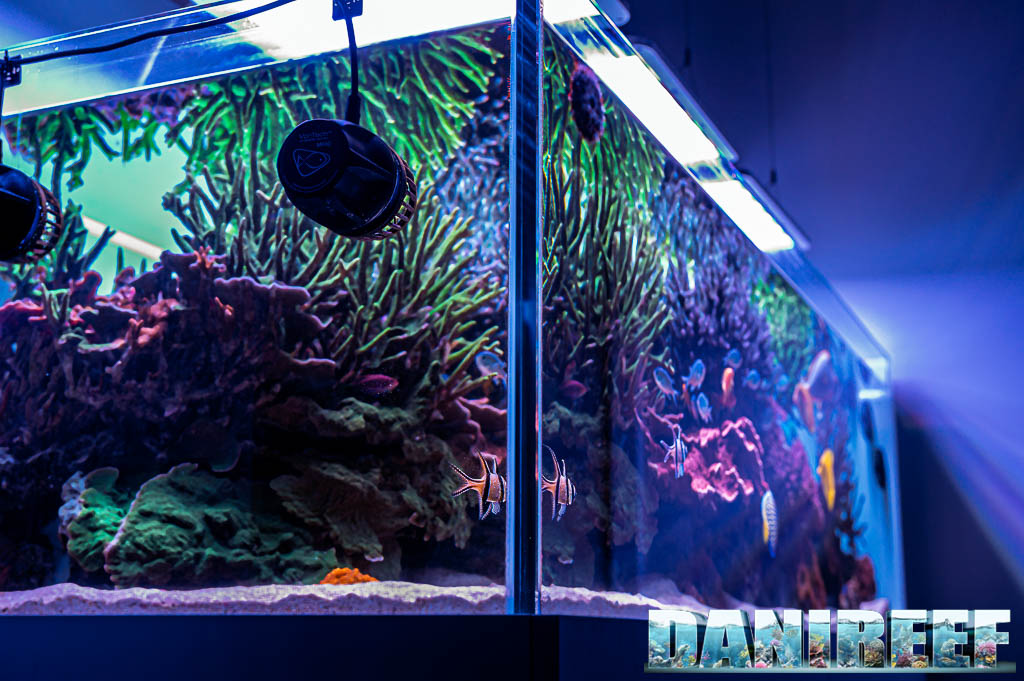
On page two you’ll find, as usual, all the photos we took of Simone’s beautiful aquarium.
Scopri di più da DaniReef - Portale dedicato a Acquario Marino e Dolce
Abbonati per ricevere gli ultimi articoli inviati alla tua e-mail.